Eggs Are Probably Going To Get More Expensive. Here's Why
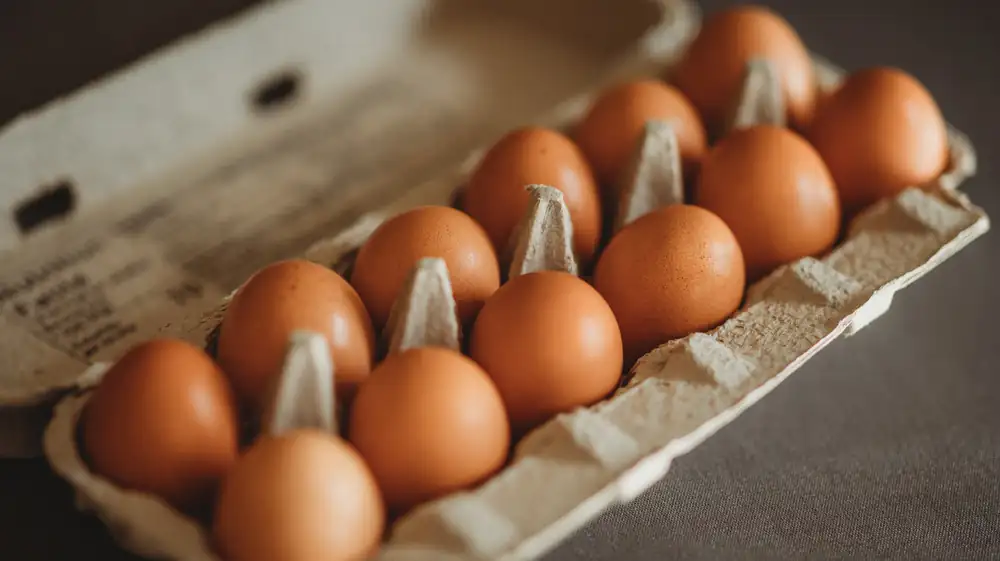
Eggs are one of the most important staples stocked in the fridges of a lot of kitchens. They're the key to protein-rich breakfasts, cakes, and countless other baked goods. However, those who use a lot of eggs on a weekly basis might see their grocery bills going up a bit over the coming months.
It was Barron's, however, that explained the price increase would affect chicken products of all sorts too. Apparently, the production generally takes place in Texas, Arkansas, Louisiana, Mississippi, and Alabama. With the power outages caused by the winter storms, The Dallas Morning News reported that there were more than 700,000 eggs that went to waste along with 545,000 baby chickens. That loss will result in shorter supply and ultimately higher prices at the grocery stores.
The cost of feed is another reason for high egg and chicken costs
Those losses were recorded at a single producer, Sanderson Farms Inc., which is the third-largest chicken producer in the United States. There was undoubtedly much more loss from other producers too. According to CEO Joe Sanderson, the loss totaled roughly one percent of the producer's total output. He went on to tell The Dallas Morning News, "it's definitely going to take some production out away from us."
Another reason the prices are going up is that it's costing producers more to feed the animals. With increased prices affecting the cost of production, the prices will definitely be reflected in what consumers see on store shelves. According to The Dallas Morning News, Sanderson Farms Inc. has enough chicken feed to last through the month of March, but they're raising prices now to minimize the impact that will be more apparent later in the year.
So, go ahead and allocate more of your weekly or monthly grocery store budget toward chicken and eggs. You will surely see the price increases at your local grocery store in a matter of weeks.