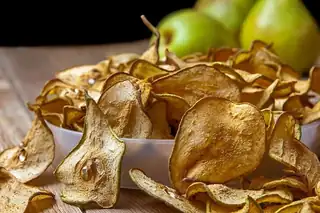
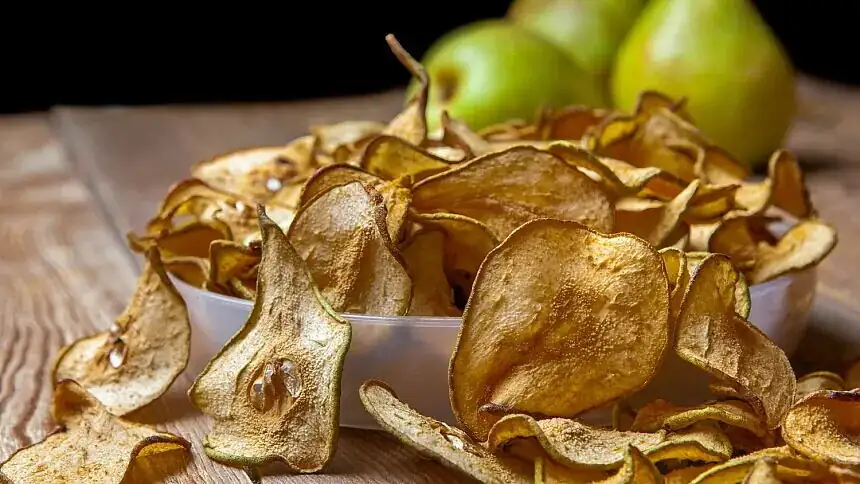
You can easily dry pears in a regular oven or dehydrator. Prepare fragrant homemade cruciferous vegetables
Dried pears are a fragrant reminder of autumn and a great way to preserve their sweet taste for months to come. They can be prepared in the oven or dehydrator, and can be left soft or dried until more crispy, depending on your preference.
Pears do not need to be prepared in any complicated way before drying, it is much more important to choose properly ripe fruits. They should be firm, healthy and sweet enough to retain a pleasant taste after drying. Then, simply spread the prepared slices on a baking sheet or drying rack and let them slowly drain of excess water.
How to dry pears in the oven
For drying, choose healthy, firm pears that are well-ripened but not yet too soft. Overripe fruits fall apart easily when cut and contain more water, so they take longer to dry. Sweeter varieties with firm flesh are more suitable.
- First, wash and dry the pears. You can peel them if desired, but if they have a soft skin, this is not necessary.
- Remove the cores and cut the pears into thinner slices or wedges.
- Cut the slices into pieces of equal thickness if possible. Remember that the thicker the slices, the longer they will take to dry.
- Arrange the prepared slices in a single layer on a baking sheet lined with parchment paper. They should not overlap to allow air to flow around them.
- Dry the pears at a temperature of approximately 50 to 60 °C. When baking with hot air, use air circulation to help remove moisture.
- You can leave the oven door slightly open to allow the evaporated water to escape.
- During drying, turn the slices as needed to ensure the pears dry evenly.
- Drying time depends on the thickness of the slices, their juiciness, and your particular oven. Therefore, be guided primarily by their appearance and consistency, not by the exact number of hours.
How to dry pears in an electric dehydrator
The procedure for preparing pears is the same as for drying in the oven. Arrange the prepared slices on the drying trays so that they do not overlap and that air can flow freely between the individual pieces. Dry at a temperature of approximately 50 to 60 °C and during drying you can rotate the trays as needed to dry the pears evenly.
How to get the best out of dried pears
A few simple tips will help pears retain their flavor, proper consistency, and longer shelf life.
- How to prevent browning: Before drying, briefly soak the sliced pears in water with lemon juice and let them drain well.
- How to tell if pears are properly dried: The pears are dry but still have a nice pliability. Once cooled, they should not leak juice when squeezed.
- How to store properly: Place completely cooled pears in a clean, tightly sealed container and store in a dry, cool place.
You don't have to preserve pears just by drying them, another option is to turn them into delicious jams. These are suitable not only for bread, but also for buns, cakes or as a filling for sweet pastries. If you have plenty of pears, try our video recipe for pear jam and prepare a supply for the winter.