You don't need to save a thin sauce with flour. Choose the ideal method according to its type
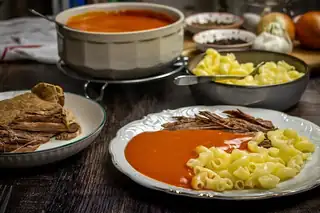
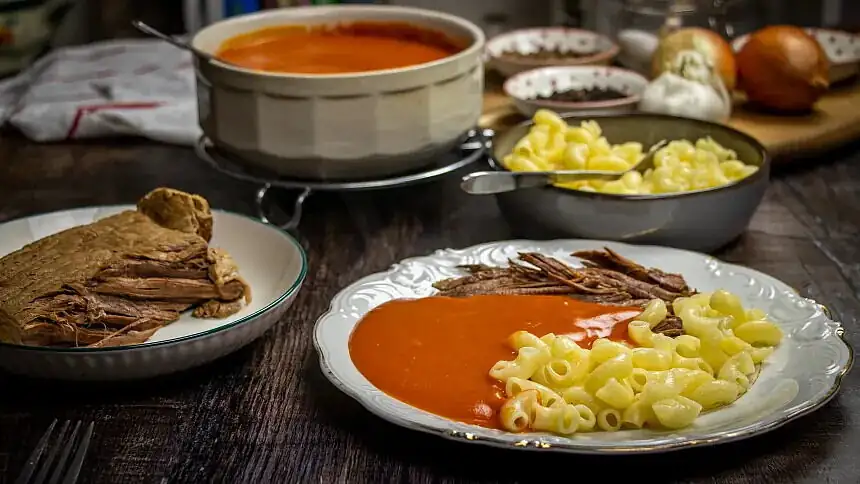
The sauce is too thin, but you don't want to make a roux? Flour is not the only option. Sometimes it's enough to simmer the sauce longer, other times vegetables, potatoes, starch or even pasta water will help. The important thing is to choose a method that suits the dish.
How to thicken sauce without flour
When thickening, just follow this simple procedure:
- First, simmer the sauce for a few minutes without a lid and let the excess water evaporate.
- Blend some of the cooked vegetables into vegetable and tomato sauces. You can add more onions or root vegetables and blend them once they are softened. This will thicken the sauce and enhance its flavor.
- You can add finely grated raw potatoes to stews, soups, and similar dishes and let them cook. During cooking, the starch will be released, making the potato a great thickener for stews or other more rustic sauces.
- For quick thickening, mix a small amount of potato or cornstarch in a small amount of cold water and then add it to the hot sauce, stirring constantly. Just boil it briefly.
- Tip: If you are preparing a sauce for pasta, you can also use the starchy water from cooking it, which will help bind the sauce and adjust its consistency.
- You can boil a large amount of onion or a piece of bread into meat sauces, which is usually used to thicken goulash.
- Thicken legume sauces and soups by blending in some beans or lentils.
A scoundrel or a scoundrel?
There are several ways to thicken traditional sauces, and everyone has their own favorite, even among flour-based methods. Some people don't like the idea of a flour-and-fat roux, while others prefer a faster flour-and-liquid roux. Which method is closer to yours? Vote in the following duel - with one click you can answer and find out how other readers feel.
Each thickening method works well with a different dish. The reduction will keep the sauce's clean flavor, the vegetables will make it fuller and creamier, and the starch is a quick last-minute fix. So it's best to add the thickener in small batches, always checking the consistency in between.