Freezing peppers: there's a specific technique for doing it
How many times do we stock up on fresh peppers at the market during the hot season, seduced by their bright colors and intense summery aroma, only to find ourselves with too many vegetables to consume before they lose their crunch?
Storing this versatile vegetable in the freezer allows us to rediscover all the flavor of the summer even in the winter months, ready to be sautéed in the pan or to enrich steaming soups.
The real challenge when trying to cold-preserve them isn't just getting them into a bag, but preventing them from turning into a watery, tasteless mess once thawed, ruining all our efforts in the kitchen.
Preliminary treatment: scalding or raw?
The difference between a still-pleasant pepper and a spongy vegetable lies in a common mistake we often make: freezing them completely raw without any basic preparation. Peppers contain a large amount of water and, more importantly, active enzymes that continue to work slowly even at low temperatures, altering their flavor and texture within a few weeks.
To stop this process and preserve their color and structure, the ideal treatment involves lightly blanching them in boiling water for a couple of minutes, followed immediately by an ice bath to stop the cooking process. If you prefer a softer texture or prefer using them ready-made, you can also grill them or sauté them briefly in a pan before placing them in the freezer, saving precious time for future culinary preparations.
The method of preservation and management in the kitchen
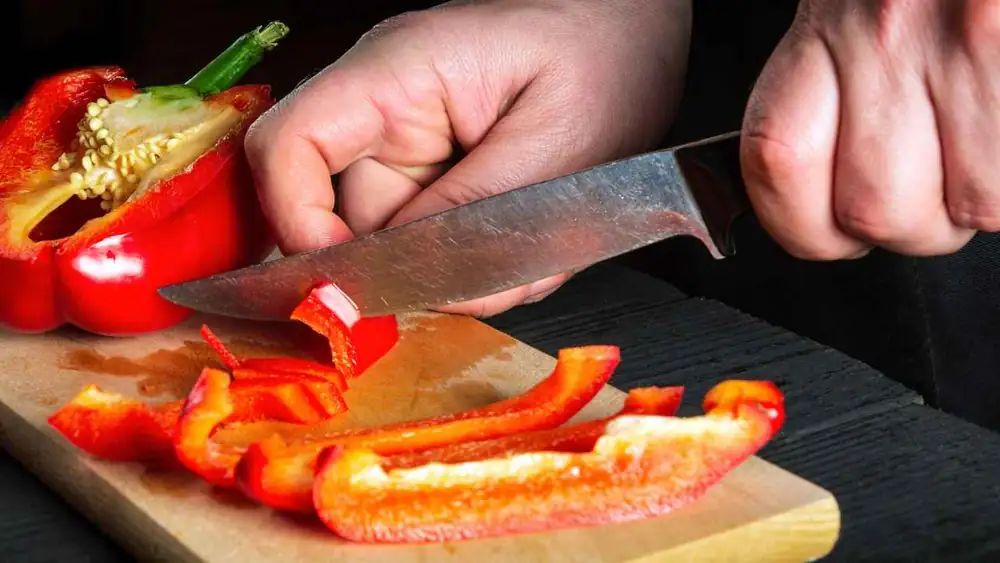
Once the preparation is complete and the pieces are thoroughly dried with a clean cloth, the secret to perfect preservation lies in managing space and air. Cut the peppers into strips or squares, placing them first on a tray covered with parchment paper in the freezer for a few hours, so that they harden individually without sticking together into a single, unmanageable block.
Next, we'll transfer the portions into special food-safe bags, taking care to remove as much air as possible to prevent freezer burn. When we take them out, we won't need to defrost them first: we can throw them directly into the hot pan or baking sheet, preserving all the convenience of an organized kitchen.