04 October 2026 · Vol. XXXIV · № 12.329 Get the letterSearchSaved
THE APEX GASTRONOMY CHRONICLE
Food The Exchange & The CounterThe Wire The IndexThe Bureau
LATEST
For More Flavorful Short Ribs, Add A Splash Of This Wine●No broth, no fat: rice tastes even better if you add this to the cooking water●Goodbye Boring, Basic Meatloaf: The Italian-Style Makeover That Packs Twice The Flavor●Autumn pumpkin cake will fill your home with the scent of gingerbread and honey. Roasted pumpkin will give it a beautiful color and amazing softness●Turn Cauliflower Into An Elevated Side Dish With Just 2 Ingredients●Sunflower or peanut oil: choose wisely for frying!●Learn how to make beef cheeks with rose hips like a pro. Wine and thyme add a touch of spice●You don't need to save a thin sauce with flour. Choose the ideal method according to its type●Ame Moreno, cook: “The simplest and most delicious dinner contains no meat, but rather 2 cans of sardines, 2 eggs and paprika.”●Potato dumplings from remoska: Baked, with a crispy surface and a soft interior●Gnocchi alla Sorrentina: Original Recipe and Video●Give Baked Potatoes A Hearty German-Style Upgrade With One Tangy Addition●
The Exchange & The Counter
Traditional Fish Dish From Canada

Traditional Fish Dish From Canada

Cedar-plank salmon

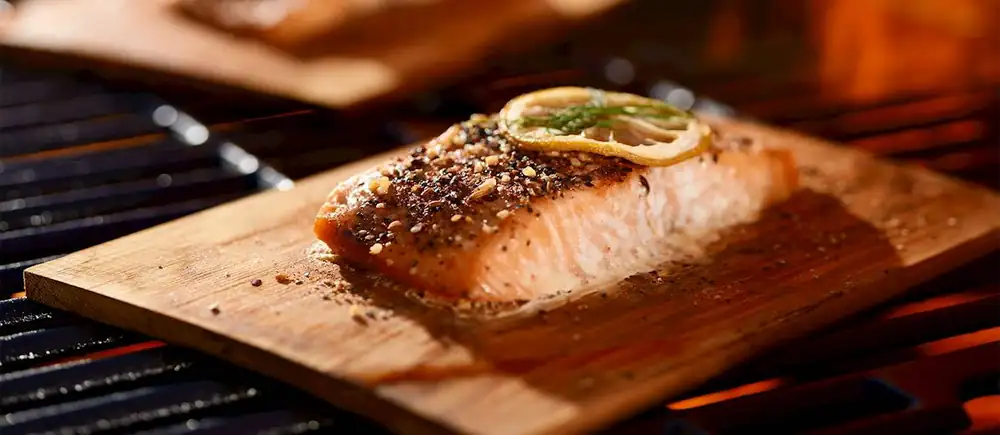
Cedar-plank salmon is a fish delicacy that involves cooking salmon on cedar planks, a unique method of cooking which is believed to have been originally practiced by the Native Americans who mostly used Western red cedar (a type of cypress). The wood planks, which must be free from any surface coatings or chemicals, are typically immersed in water into which coarse salt, fruit juice, or wine can be added.

Once dried and heated on the grill, the planks are topped with salmon fillets that can either be left with their skin intact or skinned. Salmon is typically marinated in oil, seasonings, and fresh aromatic herbs such as rosemary, thyme, dill, oregano, parsley, juniper berries, or even fir needles.

Alternatively, the fish fillets can be coated with a mixture of mustard and maple syrup, honey, or brown sugar. Not only does this unique technique enhance the flavor of the fish by imparting a pleasant smokiness and woody aroma to it, but it also allows it to seal its juices and remain moist.

This fish specialty is typical of both Canada and the USA, particularly British Columbia and the Pacific Northwest region, respectively.
More The Exchange & The Counter