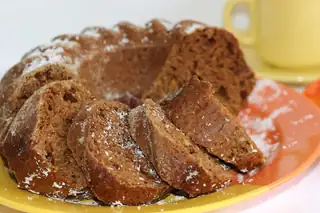
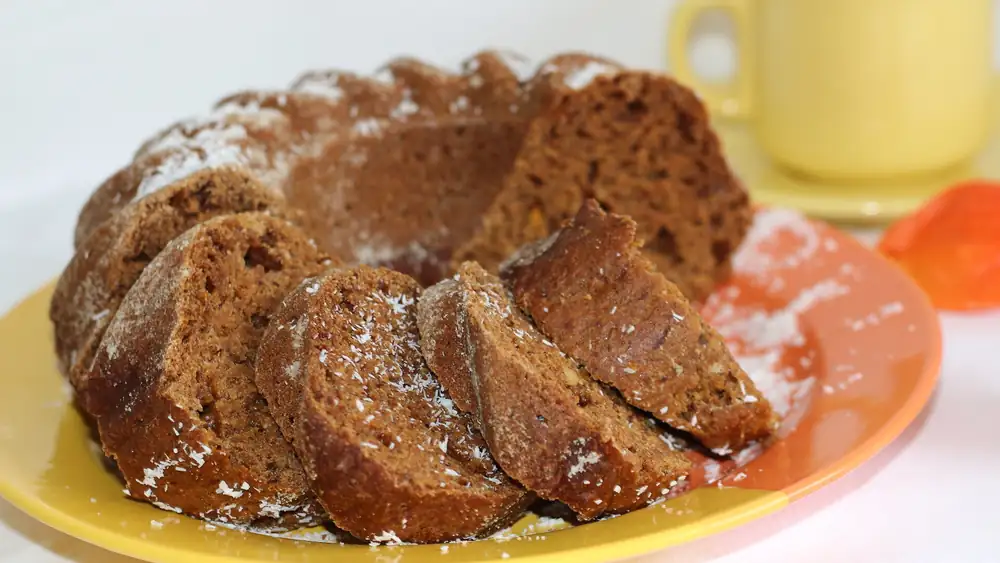
Autumn pumpkin cake will fill your home with the scent of gingerbread and honey. Roasted pumpkin will give it a beautiful color and amazing softness
Pumpkins have a much wider use in autumn cooking than just soups or baked side dishes. They also work great in desserts, adding a delicate flavor and beautiful color. In this sponge cake, they meet honey and fragrant gingerbread spices.
Pumpkin in desserts
Pumpkin is used not only in savory dishes but also in sweet baking during the fall. It is most often added to desserts in the form of a puree, which gives the dough softness, juiciness and a nice orange color. It is thanks to it that pumpkin desserts remain soft even after baking and do not dry out so quickly.
Similar to other types of cakes, you can prepare pumpkin cakes in various forms – classic, two-colored, with chocolate, with nuts, but also with gingerbread spices. You can prepare the autumn pumpkin cake according to the recipe at the end of the article.
How to properly bake pumpkin puree
When making pumpkin puree, it's important to choose the right pumpkin. Varieties with firmer, less watery flesh are best, such as Hokkaido or butternut squash. Too watery flesh will result in a thinner puree, which will affect the consistency of the batter.
You will have the least amount of work with Hokkaido pumpkin, which does not need to be peeled before baking and can be pureed with the skin on. For other types, remove the skin, or bake the pumpkin in larger pieces and then simply scoop out the softened flesh.
The seeds and fibrous center need to be removed, and only the firm flesh is used.
It's best to bake pumpkin cut into similar-sized wedges or slices so that each piece cooks evenly. Smaller pieces will also soften more quickly. Some of the water will evaporate from the pumpkin as it bakes, making the resulting puree thicker.
The evaporation of water during baking will also make the flavor of the vegetables more pronounced.
There is no need to add oil when baking pumpkin puree. This would unnecessarily add extra fat to the puree, which could change the ratio of ingredients in a proven recipe.
You might be interested
How to recognize properly cooked pumpkin puree
Pumpkin is baked into a puree at a temperature of 180–200 °C. The main thing you should pay attention to is the condition of the pulp. What else should you pay attention to?
You can tell when a pumpkin is cooked by how soft it is. A fork or knife will go through the flesh without much resistance. If not, it needs to be cooked for a little longer. Puree from undercooked pumpkin may be stringy or lumpy.
A slight browning of the edges is okay, and can enhance the flavor of the pumpkin. However, be careful not to let it burn, as burnt areas can become bitter.
If the pumpkin releases a lot of liquid during baking, remove it. You can use it in soup, for example. For the cake, you need a thick, mushy consistency.
After baking, remove the pumpkin from the oven. If it is very wet on the surface, wait a few minutes, some of the steam will still escape. Then the puree will not be too thin.
The consistency of the puree is ultimately more important than the type of pumpkin itself. Even two Hokkaido pumpkins can produce different thicknesses of puree depending on their ripeness and storage. The following recipe takes this into account, adjusting the amount of milk according to the resulting thickness of the batter.
Autumn calls for thick, hearty soups. The dreary, somewhat gray autumn weather is also beautifully brightened by bright color on the plate. For both of these reasons, pumpkin is the queen of vegetables at this time of year.…
Autumn pumpkin cake with gingerbread aroma
Autumn pumpkin cake combines the delicate flavor of pumpkin with honey and fragrant gingerbread spices. Pumpkin puree will add elasticity to the dough and give it a nice color.
You will need: 600 g Hokkaido pumpkin, 170 g plain spelt flour, 170 g wholemeal spelt flour, 6 tablespoons honey, 2 tablespoons ground flaxseed, 3 tablespoons sunflower oil, 2 teaspoons baking soda, 1 teaspoon ground cinnamon, 1 teaspoon gingerbread spice, 1/2 teaspoon ground ginger, 1/4 teaspoon grated mace and 1 pinch of salt. Also: plant-based milk (as needed), sunflower oil for greasing the mold, grated coconut for pouring the mold and powdered sugar for sprinkling (to taste).
How about this?
Preheat the oven to 180°C in advance. Wash the pumpkin, peel it, cut it in half and remove the soft center with the seeds. Cut the flesh into slices and spread it on a baking sheet lined with baking paper.
Place the pumpkin in the oven and bake until soft, about 20-30 minutes. Then remove and blend until smooth.
Mix plain and whole wheat flour with ground flaxseed, baking soda, cinnamon, gingerbread spice, ginger, mace and a pinch of salt.
Add honey and 3 tablespoons of sunflower oil to the pumpkin puree and whisk thoroughly. Add the dry mixture and mix until smooth. If it is too thick, add vegetable milk a tablespoon at a time.
Preheat the oven to 180°C again. Grease a cake tin with sunflower oil and sprinkle with grated coconut. Spread the batter evenly into the prepared tin.
Place the cake in the oven and bake for approximately 55 minutes. Test for doneness with a skewer. Insert it into the batter and if it comes out clean, the cake is done. If the batter is still sticky, bake for another 5-10 minutes.
Let the baked cake cool briefly in the tin, then carefully turn it out and let it cool completely. Before serving, you can sprinkle it with powdered sugar if you like.