
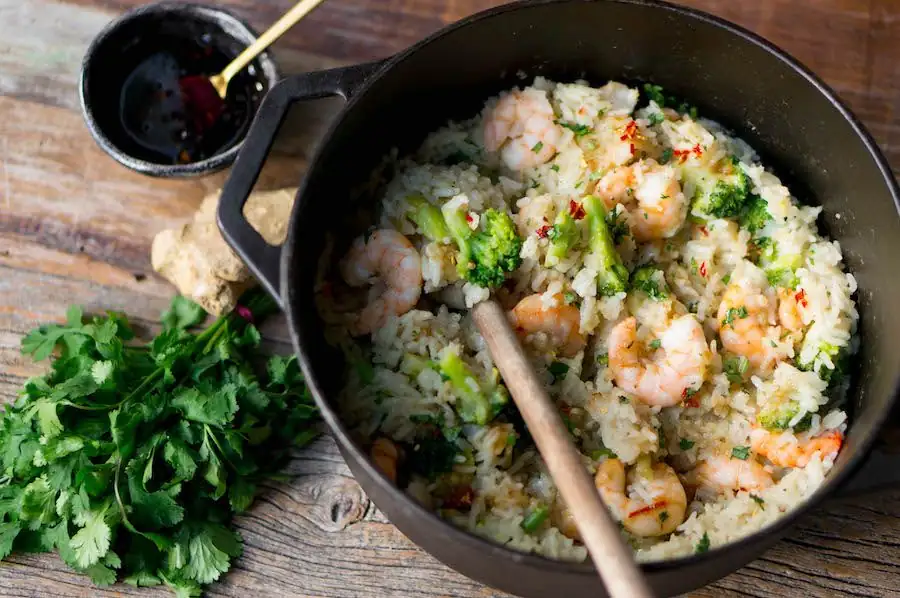
That's why grey shrimp turn bright pink when fried.
A raw shrimp is grayish and translucent, but heating it for a few minutes will cause pink, red, and orange tones to appear.
The color doesn't appear during frying; it was already inside the shrimp the whole time. Shrimp contain astaxanthin, a natural orange-red pigment also found in crab, lobster, and salmon.
In live or raw shrimp, astaxanthin is bound to certain proteins, such as crustacyanin. This bond changes how the pigment absorbs and reflects light, giving the shell a bluish-gray or almost transparent appearance. The color is effectively masked.
When heated, proteins denature and lose their original structure. Astaxanthin can no longer bind to them in the same way, and the pigment becomes visible in its natural orange-red color. The same occurs when boiling, roasting, or frying, although the exact shade varies depending on the species.
That's why lobster turns red when cooked, and crab too. In salmon, however, astaxanthin is already visible in the flesh, so the fish has a pink or orange color even when raw.
The color change is a helpful clue, but it's not enough to tell if shrimp is cooked. When fried, it becomes opaque and firmer, and it's usually ready when it turns a nice pink color and the flesh is no longer translucent. If it's overcooked, the proteins contract and the flesh becomes rubbery.