No broth, no fat: rice tastes even better if you add this to the cooking water
A little salt and water, then you wait for the rice to cook. The method works, but it doesn't always produce a very flavorful result. To change things up without adding sauce or fat, sometimes all you need to do is look in the spice cupboard.
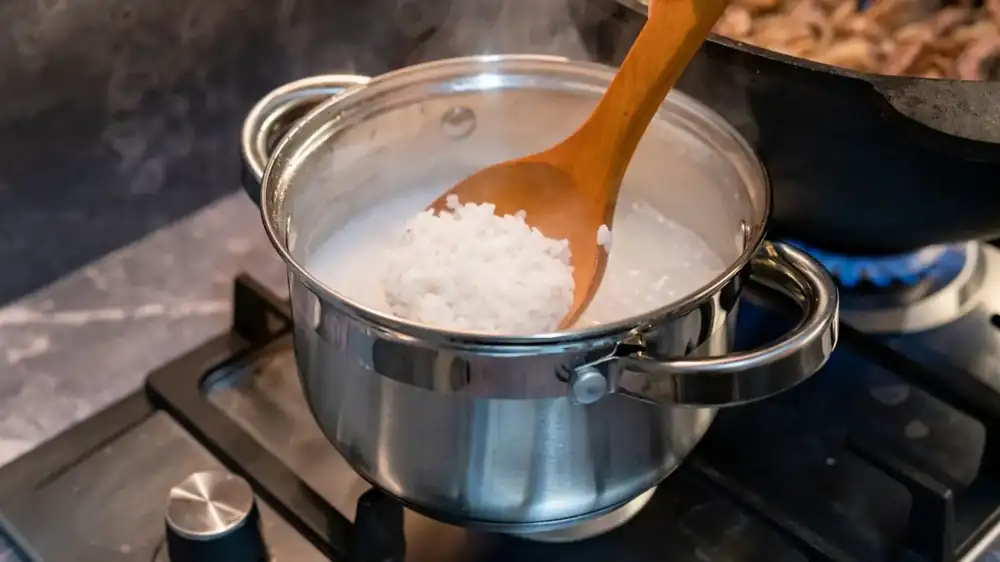
It's easy to think about adding spices once the rice is on the plate. However, you can do it much earlier. Spices and herbs can be added directly to the cooking water, where they will release their aromas while the grains cook.
A bay leaf is probably the simplest option. Slip it into the pot at the beginning of cooking, then remove it before serving. The aroma remains quite subtle, making it suitable for accompanying rice with vegetables, meat, or fish.
For a more pronounced flavor, try a few lightly crushed cardamom seeds, a star anise, or a small piece of cinnamon stick. These flavors work particularly well with basmati rice.
You can also add a pinch of turmeric. This time, the difference will be noticeable even before the first bite, as the rice will take on a lovely yellow color. Cumin seeds, a few peppercorns, or a lightly crushed garlic clove can also be added to the pot.
No need to mix all the spices in the cupboard
It's tempting to use four or five jars of herbs and spices to get fragrant rice. However, it's better to start simple. One or two herbs and spices are usually enough for a pot. The idea is to flavor the rice, not to completely mask its taste or that of the dish it accompanies.
The choice of spices can also be made depending on the rest of the meal. Rice served with curry pairs well with cardamom, cinnamon, or cumin. With fish, a bay leaf and a piece of untreated lemon zest can add a much fresher touch. A clove of garlic, meanwhile, is suitable for a wide variety of dishes.
For whole spices, simply remember to remove them before serving. Nobody really wants to bite into a cardamom pod or a piece of cinnamon in the middle of dinner.
Another advantage is that this method doesn't require you to change your usual way of cooking rice. You measure the water as usual, add your chosen spices, and continue cooking normally. Once the rice is ready, remove any whole grains and fluff them with a fork.
And if you're hesitant to try it for the first time, start with the easiest option. A bay leaf and a clove of garlic in the water can already transform a very classic white rice, without adding any stock or a single knob of butter.