Tea varieties at a glance
One plant - many types of tea
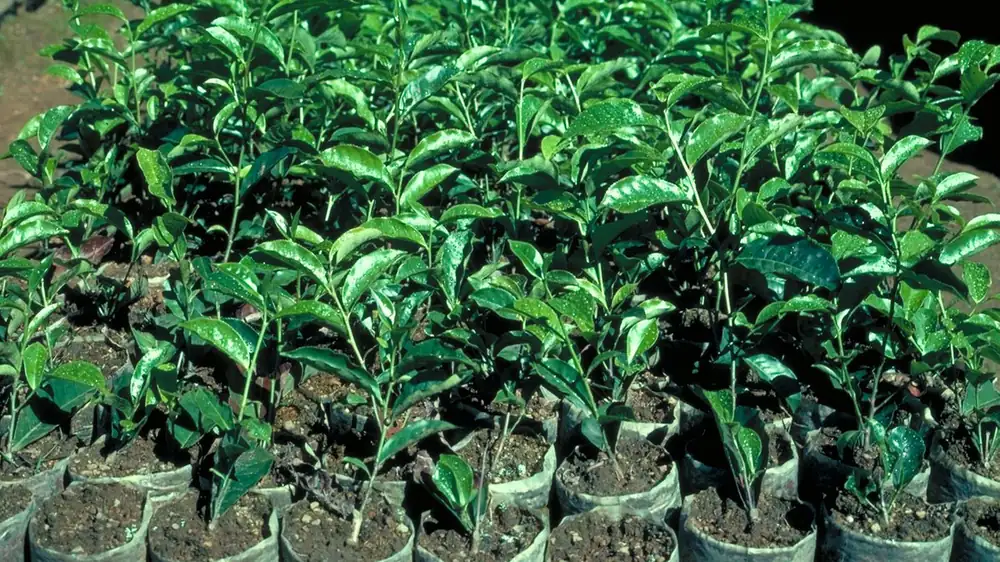
Tea is made from the leaves of the tea plant. Whether the end result is black, green, or oolong tea depends on further processing.
Black tea
For black tea, the leaves are rolled after picking. This breaks down the cell walls, allowing the leaves to turn reddish-brown to black with the help of oxygen. This process is called fermentation. The leaves are then dried at 85 degrees Celsius. Well-known black tea varieties include Darjeeling, Assam, and Ceylon. Also commonly found are black tea blends, such as the East Frisian blend (made from Assam, Java, and Sumatran teas) or the English blend of Darjeeling, Ceylon, and Assam teas.
Green tea
Green tea is not fermented. During production, the leaves are only briefly roasted over boiling water to preserve their green color. They are then dried at 70 degrees Celsius. Popular varieties include the Japanese Sencha and Matcha.
Oolong-Tee
Chinese oolong tea has a flavor profile somewhere between black and green tea. It is semi-fermented, meaning fermentation occurs naturally: after picking, the tea leaves are shaken in baskets, and the released juice oxidizes.
Flavored tea
Whether fruity or festive – green and black teas are also available flavored. Classics include apple tea or Earl Grey with bergamot oil. Essential plant oils, nature-identical flavorings, and dried flower, peel, or fruit pieces are added to the tea to achieve the desired taste.
Rooibos tea
Rooibos originates in Africa and isn't actually a tea, as it's not made from the tea plant but from the twigs of the rooibos shrub. Rooibos is also fermented during production, which gives it its beautiful red color. Unlike black and green tea, it contains no caffeine or tannins, but it does contain several minerals and vitamins.
Fruit tea
Fruit teas are not true teas, as the blends are made from dried fruit parts. The most well-known fruit tea is probably rosehip tea. Along with mallow tea, it forms the basis for many fruit teas, which are created by adding the appropriate flavoring. Fruit teas do not contain caffeine. An exception is lemon tea, which is usually made from black tea.
herbal tea
Chamomile and peppermint tea are among the best-known herbal teas. The term "tea" is somewhat misleading here, as herbs and various fresh and dried plant parts are used. Many herbal teas offer health benefits. For example, peppermint, fennel, and chamomile tea can help with gastrointestinal issues, while nettle tea can soothe a bladder infection.