Barcelona Wine Week: The future of wine in five trends
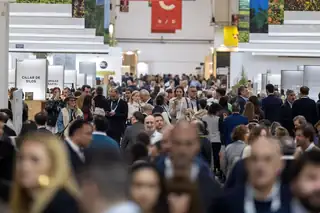
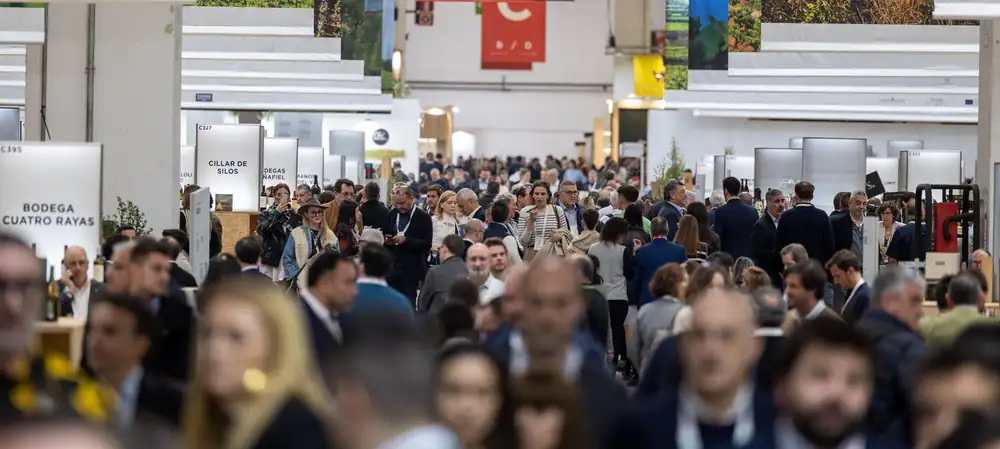
The wine world converged on Barcelona this week. Winemakers, grape growers, sommeliers, critics, specialized press, and industry leaders contributed to the sold-out fourth edition of Barcelona Wine Week, which has solidified its position as the leading trade fair for Spanish wine.
Alternative containers for aging: goodbye to the barrel?
The major theme of this year's event has been the strong commitment of winemakers across the country to aging vessels other than the classic oak barrel. Ancient amphorae, clay pots, concrete eggs, and stoneware tanks are taking center stage, championed by winemakers who believe they offer the best way to enhance the terroir and the personality of the grapes. Experts such as Pilar Cavero, Almudena Alberca, Santi Rivas, Fernando Mora, Ferran Centelles, and Beth Willard have led tastings on the subject. Is it a passing fad? "More like a balance between the excessive oak of a few decades ago and the very fruity wines that have become popular lately," notes Master of Wine Almudena Alberca.
The story of the grandfather who sells bottles
Much of this commitment to alternative materials stems from a very contemporary approach to innovation that remains rooted in tradition. Archaeological investigations that uncover ancient vessels and production methods, the application of modern knowledge to improve ancestral techniques, and the extensive work being done in Spain in recent years to recover native grape varieties are all part of this trend that extends beyond the wine sector, encompassing gastronomy and nearly every cultural expression of our time. And let's not forget the evocative power of stories like grandparents' vineyards or Roman amphorae for the end consumer.
Alcohol-free wines? The industry wants to emulate beer.
On one hand, global warming is driving up the alcohol content of wines in many parts of Spain; on the other, consumers are gradually reducing their alcohol intake for health or dietary reasons. One of the sector's biggest challenges in the coming years is reducing or even eliminating alcohol from wines while maintaining their character, a costly process that is still being perfected. "Beer has a significant head start on us," noted figures like oenologist Montse Rosell and researcher Miguel Ángel Abad in a discussion about the opportunities presented by dealcoholized wine, one of the few segments that continues to grow in a declining wine market.
Leave a mark, but not a carbon one.
The wine world is experiencing the consequences of global warming firsthand and cannot remain indifferent to the search for solutions. One of these is drastically reducing the carbon footprint in a highly fragmented sector where final consumption rarely takes place at the production site. Limiting the use of certain fertilizers, reducing tractor use to strictly necessary tasks, and implementing efficient irrigation management are among the measures proposed during a debate involving researchers and industry leaders. One of the most feasible and effective measures could be the reuse of glass bottles, opting for lighter containers, water-soluble labels, and reducing packaging.
Futuristic labels versus rococo lettering
It's like buying a record for the cover or a book for the blurb, but a large proportion of consumers also choose wine based on the label. When it comes to standing out on the supermarket shelf, some wineries opt for labels made of velvet, wood, plastic, hemp, cotton, or sugarcane, with increasingly creative designs, as some industry professionals discussed at a roundtable on the future of labeling. Meanwhile, aspirational wineries that don't need to boast at the supermarket stick to plain white labels and rococo typography.