Cambodia culls ring-pull prizes
The days when Cambodian drinkers could pull the ring off a beer can and bag a prize have now come to an end, with the feature axed today as the government toughens up on drinking regulations.
“I like a good IPA myself. It’s more about the scale and ethics of it.”
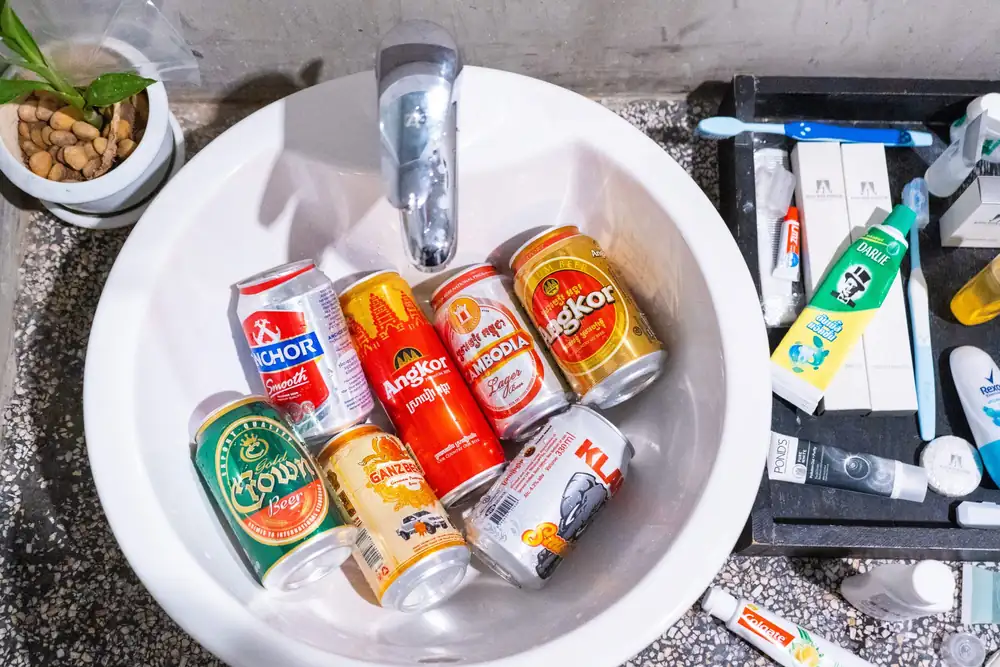
For years, drinkers in Cambodia could win prizes by redeeming ring pulls from beer and soft drinks. But from today (1 October), beverage companies have been banned from importing or producing product packaging, like bottle caps or ring pull taps, that promote prizes for both booze and soft drinks.
The government issued an ultimatum to end the practice by 30 September, under guidance from Prime Minister Hun Manet, through the instructions of the Ministry of Economy and Finance on 29 June.
Meas Soksensan, secretary of state, said that the ministry is tracking businesses that produce, import and distribute alcoholic or sugary drinks, especially energy drinks, to make sure they have complied with the updated guidelines.
What do the new rules entail?
As per the new rules, these types of enterprises must end the provision or exchange for prizes through ring pulls, bottle caps, or prizes in other forms attached or not attached to cans, bottles, packaging or product boxes. These might include raffles, coupons, reward cards, scratch cards and QR codes.
Additionally, the producers must not give away alcohol products or sugary beverages for free. The businesses must stop ordering, importing or producing new cans, bottle caps or packaging shells for these types of drinks that contain prizes or include prizes in the packaging.
The directive has been enforced to strengthen regulation of the domestic beer and non-alcoholic drinks sectors. It comes after some beverage companies, including Heineken Cambodia, expressed worries about the uneven competition that prize-based marketing campaigns caused.
The human cost of an unregulated industry
Earlier this year, a documentary by Danish filmmaker Laurits Nansen, Cambodian Beer Dreams, drew sharp attention to the dangers of the kingdom’s largely unregulated alcohol industry.
The film argued that cash prizes as well as aggressive marketing and young ‘beer girls’ were triggering a dangerous rise in alcohol consumption, with one in 10 deaths in the country attributed to alcohol.
Nansen’s documentary looked to investigate the social and economic structures behind alcoholism.
“It’s not an anti-beer or anti-alcohol film,” Nansen made clear, adding, “I like a good IPA myself. It’s more about the scale and ethics of it.”