This is how you can eat healthily and enjoyably during menopause – our dietician tells you what to look for
Unfortunately, menopause still seems like a taboo topic for many in Hungary, even though there is nothing to be ashamed of, and in fact, it would be important if we could talk about it.
What kind of diet should we follow during menopause?
It is always best to find a diet that is not overly restrictive and is sustainable in the long term. The Mediterranean diet can be a good inspiration for eating during menopause. It is not based on lists of prohibited foods, but on what ingredients and in what proportions our diet should consist.
The essence of the Mediterranean diet is the consumption of many and varied fresh vegetables and fruits, which should be supplemented with legumes and whole grains.
Among fats, it favors healthy, cold-pressed vegetable oils and oil seeds over deep-fried and fried foods, while in the case of animal proteins, it favors fish and lean, white meat over fatty and red meats. It also emphasizes the reduction of processed foods, but it does not prohibit anything - the point is that if we eat a fundamentally varied and balanced diet, then sometimes a favorite sugary dessert or a fried meat can also fit in.
How to put together a menopause-friendly meal?
The Mediterranean diet is also a good choice during menopause because it is especially important for women to pay attention to adequate protein and fiber intake, as well as the consumption of nutrients important for bone health. It is best to eat some combination of these at every meal, which our brain will easily pick up on with a little attention.
It's definitely worth using the so-called smart plate model here too: the essence of this is that half of our plate should always be filled with vegetables, a quarter with protein, and a quarter with some kind of carbohydrate.
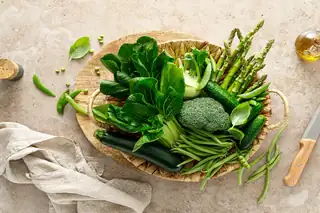
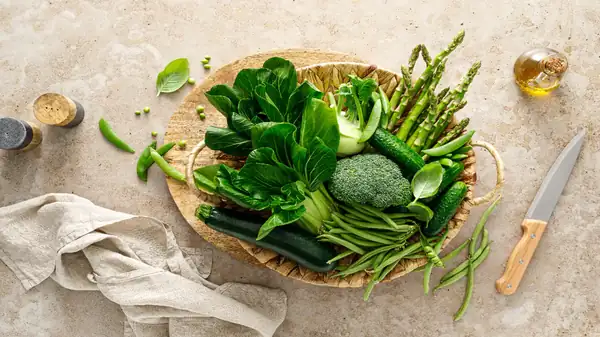
It is worth eating as many different colors of vegetables as possible!
The variety of colors in vegetables can also indicate that we can access different plant compounds and nutrients, so it is worth eating as colorfully as possible. We should also eat raw vegetables as often as possible, and we should also strive for frequent and varied consumption of fruits.
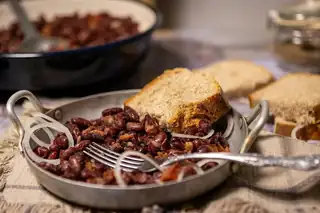
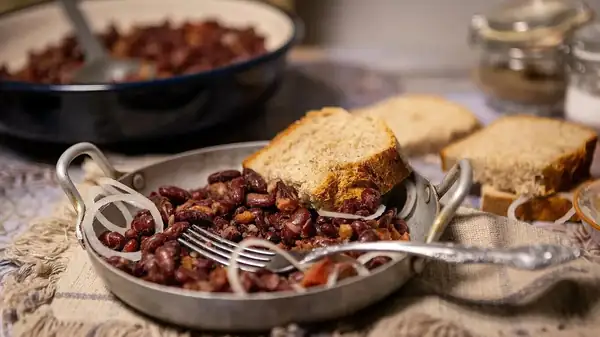
On the protein front, fish consumption is extremely important, especially fish containing omega-3 fatty acids. When it comes to meat, we should prefer lean cuts of meat, and don't neglect legumes, which are also good sources of protein and fiber.
As a source of carbohydrates, it is often worth choosing whole grains, potatoes, rice and various legumes. There are no forbidden ingredients, but instead of frying in oil, we should grill, steam, bake or bake chicken thighs, fried meat or potatoes, for example.
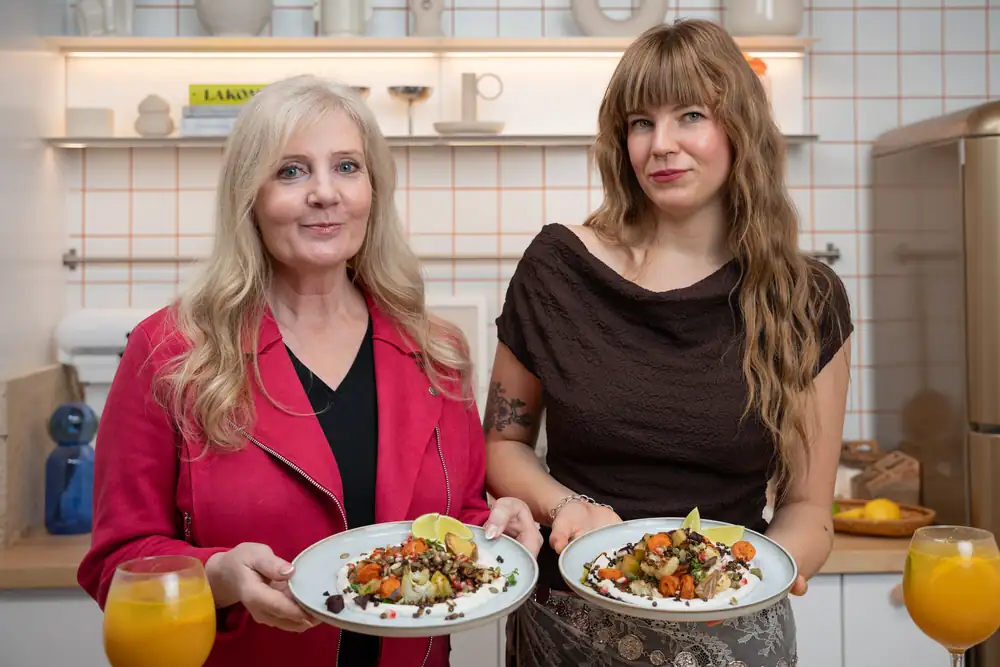
Éva and Vivi prepared just such a balanced main course
A roasted vegetable platter with tahini yogurt and roasted lentils. The lentils contribute vegetable protein and fiber to the dish, the root vegetables provide additional fiber and valuable nutrients, while the olive oil and pumpkin seeds complete the dish as a valuable source of fat.
And what do we drink on weekdays?
It is also worth paying attention to adequate fluid intake, and if you find that alcohol or caffeine aggravates certain symptoms (such as hot flashes or sleep disturbances), it is worth limiting their consumption. However, this does not mean that you can only drink water!
The easiest way to make homemade sugar-free or low-sugar lemonades or teas is to add a variety of citrus fruits and herbs. But feel free to experiment with ingredients like sea buckthorn, berries, or hibiscus, which can add a touch of excitement to water and sugar-free drinks.
You can find the exact recipe for the roasted vegetable platter and the matching sea buckthorn lemonade here, try it yourself!
The video and article were sponsored by Remifemin.