In Pollica, they are FAO “Food Heroes”: was the Mediterranean diet born here?
In an era of intense historical revisionism regarding Italian cuisine, the mystique of the so-called Mediterranean diet has also been significantly revised.
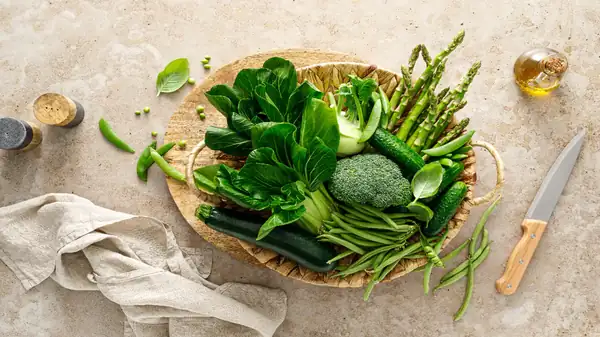
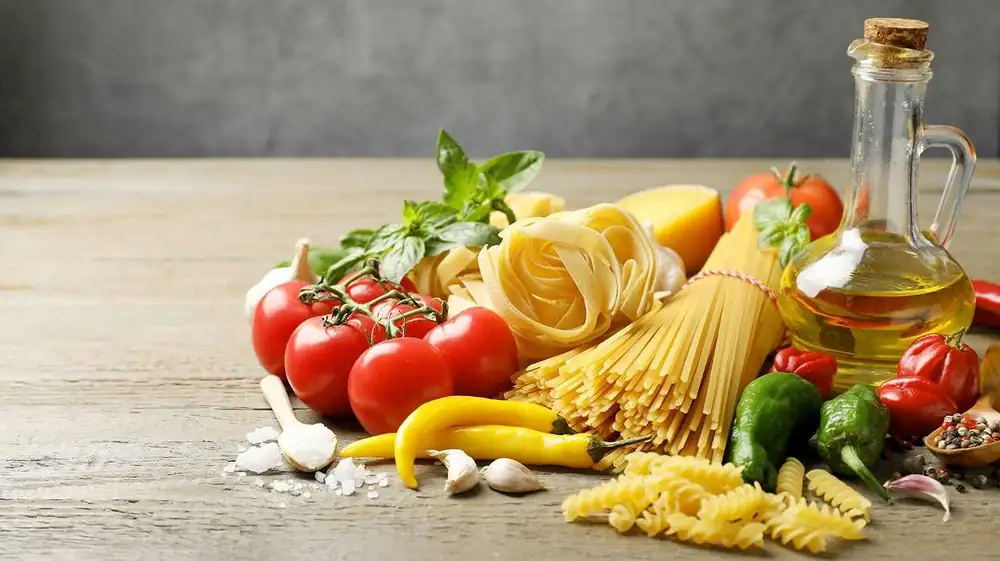
Regardless of more recent historical and anthropological considerations, however, the Mediterranean diet has become over the years a symbol of healthy eating, rooted in local and seasonal food. It has been recognized by UNESCO as an Intangible Cultural Heritage of Humanity. Today, it has received a new accolade, with the community of Pollica, a small town of just over 2,000 inhabitants in the province of Salerno, being named an FAO Food Heroes.
The Pollica community, Food Heroes
The official announcement came from New York, delivered by FAO Deputy Director-General Maurizio Martina, at the Food for Health – Food for Earth conference organized at New York University by the Future Food Institute during the UN General Assembly week: "Heritage doesn't survive by being kept under glass. It lives when communities practice it, share it, and pass it on from one generation to the next."
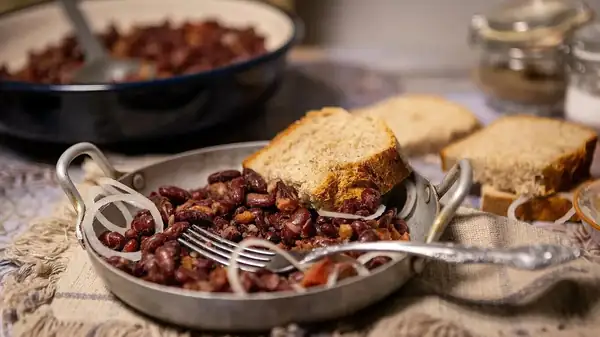
And it was precisely in Pollica, more precisely in the hamlet of Pioppi, that Ancel and Margaret Keys conducted the historic studies that linked local eating habits to cardiovascular health, bringing the Mediterranean diet to international attention. Today, thanks also to the passing down of the tradition of the ancient menaica technique for fishing anchovies in accordance with the rhythms of the sea, and the preservation of local olive trees, figs, legumes, and seeds, this important international recognition has arrived.
Welcoming the FAO certification, Pollica's mayor, Stefano Pisani, reiterated the centrality of the human factor: "This recognition is incredibly valuable precisely because it puts people and the community at its core." The Cilento town's vision has crossed national borders thanks to the Convivium project, the Italian home opened in the East Village by the Future Food Institute and the Mediterranean Diet Study Center of the Municipality of Pollica. In this space of gastronomic diplomacy, the table becomes a place of listening and cooperation to address global challenges such as public health, biodiversity, climate, and peace.
Regarding the impact of this cultural bridge, Sara Roversi, president of the Future Food Institute, emphasized: "Pollica shows us how a territory can become a laboratory for transformation and how a profoundly local heritage can speak to the world." In view of the first International Mediterranean Diet Day on November 16th and World Food Day on October 16th, Pollica will be a focal point of these celebrations.