Tasting menus aren't just for food: cocktail dinner trend from India
There are things we are happy to wait for, even hours: for a legendary chef's dish, for a newly opened restaurant, or for a once-in-a-lifetime gastronomic experience. When we finally sit down at the table, we know that when we finally sit down, we are part of a carefully constructed story, not just a meal.
Koliwada Cocktail Club, Mumbai
Mumbai's first stand-alone cocktail omakase has been launched within the walls of Slink & Bardot restaurant. Koliwada Cocktail Club is built around six courses of savoury drinks, much like a fine dining tasting menu would be.
The menu begins with a tequila-based gazpacho topped with salty celery foam. Next comes tamales, made with tequila smoked in a corn husk, chicken broth, and roasted jalapeños—the bar’s own version of picante, a corn tostada. Next comes the Morel, in which 12-year-old Singleton whiskey is further deepened with rye spirit and a morel mushroom glaze, taking the flavors in a darker, umami-rich direction. By the sixth glass, most guests are already feeling a little dizzy from the onslaught of flavors—this menu isn’t for traditional cocktail lovers, but for those who consider cocktails an equal part of the tasting menu, not just a drink to accompany a meal.
Barbet and Pals, Delhi
One of Delhi’s hottest new openings, Barbet and Pals, designed by Jeet Rana and Chirag Pal, invites guests underground to a space called Cavity that feels more like a cozy living room than a bar. The nine-course cocktail menu is accompanied by small bites, and the nine-person table is set for an evening of tasting. It may sound like a lot at first, but the experts have crafted the portions and alcohol content so that you leave feeling refreshed rather than tipsy.
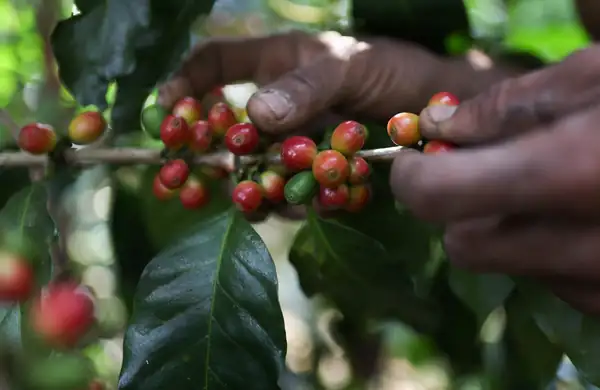
The dishes are guided by ingredients with geographical indications of India: from the floral wild honey of the Sundarbans region to Tooyamalli rice from Tamil Nadu to the dried, salty apricots of Ladakh and Coorg coffee, which ends as a dessert, paired with a nolen gur-cloudy rasgulla. At halftime, a bhimkol, an ice-slushy drink made from bananas, arrives to refresh the taste buds before the rest. Thus, step by step, a map of the subcontinent is drawn before us, completing the experience.
ZLB23, Bengaluru
Bengaluru was the first major Indian city to embrace the multi-course cocktail experience – and it immediately took things to the next level. The menu at ZLB23 ‘Theatre’ at the Leela Palace hotel is structured around four ‘acts’, each named after a classic cocktail style: Aperitivo, Daisy, Red Snapper, Mary Pickford. The order follows the natural arc of the palate, from bitter to sour and salty to sweet, and each glass is crafted to capture our attention before we even take a sip.
Ekaa Dwadash 2.0, Mumbai
The most philosophical item on the list is undoubtedly the menu at Mumbai's Ekaa restaurant, Dwadash 2.0, which is based on the number twelve itself. Niyati Rao built the entire concept around the meaning that the number twelve holds in Indian culture, astronomy and spiritual traditions: as a symbol of completeness, continuity and a closed cycle. The series, consisting of eight mini cocktails and four full-sized portions, starts with a kombucha, then moves on to a feni-based drink and a monsoon-inspired Petrichor, before introducing Ayurvedic botanicals and half-forgotten ingredients.
“There’s a difference between progression and order: progression creates meaning, order is just order,” Rao says of what separates a menu with a true philosophy from one that simply takes its format. “Our goal was never to create twelve cocktails. The goal was to create twelve perspectives—twelve encounters that encourage the guest to think, feel, and taste differently.”
Pendulum's Cocktail Sway, Delhi
In Delhi, Pendulo builds a cultural bridge between India and Mexico through four courses. Among the agave-based cocktails, Rosa De Pushkar, made with Pushkar rose water, is served with a lamb barbacoa-filled dhokla, while Naga Noche, made with dark rum, cocoa vermouth and the spiciness of Naga King chili, is accompanied by a fishy empanada seasoned with cafreal.
Bunker Room, Bengaluru
Tucked away behind Una Hacienda and seating just eight people, Bunker Room is the work of Arijit Bose. The space is shielded from the minutiae of everyday operations, giving bartenders the time and space to create drinks that would be unthinkable in a regular bar – hence the name Bunker Room.
“Most bars are designed for speed and consistency. Bunker Room, on the other hand, is built on curiosity: giving bartenders the space and time to explore ideas and presenting each drink as an experience, not just a quick moment,” says Bose of the four-course format, which is based on the logic of Japanese omakase. Bunker Room is a great example of how confident the Indian cocktail scene has become in recent years.