Salty, buttery tea from Tibet that will vitalize you all day long
Tsering Tamding la, a Tibetan chef living in Oakland, said: "Because Tibet is the largest and highest plateau in the world, butter tea is like oxygen to the locals."
What exactly is po cha?
Tea has been consumed in Tibet since the 10th century. The buttered version is more of a survival drink than a simple ritual, using ingredients found in the mountainous region. The black tea is grown in Pemagul, the butter comes from the yaks that live there, and the primary flavoring is none other than Himalayan salt.
In Tibetan medicine, the combination of butter and tea has long been used to increase physical and mental endurance. Unlike countries famous for their tea culture (such as Japan), drinking Tibetan butter tea is not about complex and elaborate ceremonies. It is more of a simple, yet essential drink.
How to make butter tea?
Despite the short ingredient list, po cha is surprisingly time-consuming to make. Since we expect a dairy-rich end result, we look for a strong and smoky base with black tea – preferably a Pemaguli blend.
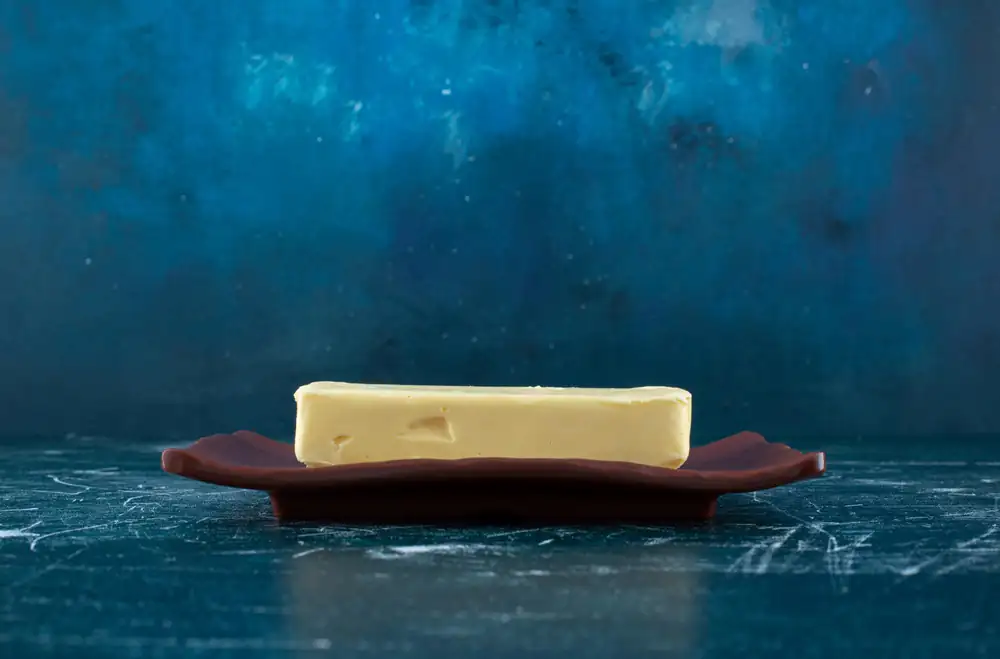
Let the tea steep until it is almost completely black! This can take up to half a day. Then pour the tea into a bamboo thermos! Add a few tablespoons of butter, a large pinch of salt – and optionally milk – to the base, then shake it all together. Chef Tsering Tamding says it’s like making a cocktail.
You can use cow's milk, but yak milk is the real deal, due to its richer, less sweet flavor (the noticeable difference is the Himalayan yak's diet, which mainly eats grass and shrubs). In Tibetan culture, it symbolizes abundance, prosperity, and long-lasting things.
The flavor we are looking for
Po cha is more like a thick soup than tea, and is consumed from deeper bowls, in quantities of up to hundreds of sips.
As for the taste, it may be strange at first that we experience almost no sweet taste, but Tamding la says that this basically fits the character of Tibetan cuisine, which rarely has sweet-flavored foods and drinks. According to the chef's brother, Tashi, the butter tea is especially enchanting in cold weather, which is like a slightly salty, light, soothing, yet rich soup.
It can be eaten on its own or on a slice of fresh bread, or it can be poured over tsampa (flour made from roasted barley, less often wheat) to make a healthy ragout.
Is it similar to “bulletproof” coffee?
Although its preparation may seem unusual, the taste itself may not be so far removed from non-Tibetan tasters, thanks to the "bulletproof" coffee trend.
Dave Asprey, founder of Bulletproof Coffee, discovered butter tea while hiking in Tibet and was amazed by its revitalizing effects. He created his own version, substituting strong coffee for the black tea. The result has become a dietary sensation, with celebrities like Jimmy Fallon and Shailene Woodley claiming that butter coffee can help with mental clarity and weight loss.
Tashi Tamding la reminds us that po cha is not just a trend, but rather a lifestyle that her parents, grandparents, and ancestors followed.