Consumers are drinking less. Here’s how restaurants can fix it
Consumers are cutting back on dining out. They’re already skeptical of alcohol to begin with, and they think prices for drinks have gotten too expensive.
“We’ve got an issue where consumers have pulled back, not just only from visiting restaurants, but even when they’re visiting restaurants, their spending on alcohol is declining,”
All of which makes it tough for restaurants to encourage more drink sales.
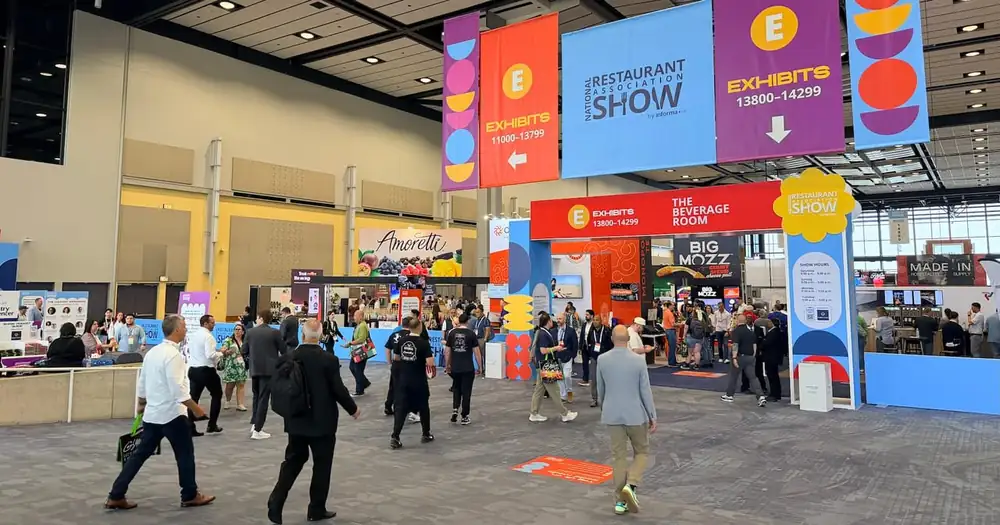
But the right promotions can encourage consumers to get that pre-dinner Old Fashioned, at least according to Technomic at the National Restaurant Association Show.
“In a struggling business environment where sales are challenged, traffic is down, and where consumers have really pulled back and are price sensitive, being effective at drink promotions is really going to be critical to success,” David Henkes, senior principal with Restaurant Business sibling company Technomic.
The restaurant industry has struggled with weak sales amid dim consumer confidence and now rising gas prices. Technomic is forecasting 1.1% real growth in sales at full-service restaurants, bars and hotels, where most of the on-premises alcohol is sold. The data firm expects to downgrade that forecast, however, given the current economic environment.
Yet adult beverages are lagging behind. Sales of drinks at restaurants and bars declined 0.8% last year, according to Technomic. And 31% of operators said they had “severe declines” in alcohol sales last year.
“We’ve got an issue where consumers have pulled back, not just only from visiting restaurants, but even when they’re visiting restaurants, their spending on alcohol is declining,” Henkes said.
Alcohol is “highly discretionary” and when consumers are cutting back, drinks are easy to eliminate.
But fewer younger consumers drink alcohol. There is also a competitive intrusion from THC beverages, which have soared in popularity in many states. Consumers are also paying attention to the price: Nearly eight in 10 consumers notice increased menu prices.
“There’s a challenge on affordability in the industry right now,” said Julie Heseman, senior director of research and insights with Technomic.
Promotions can work. Nearly two-thirds of consumers—and nearly three quarters of Millennial consumers—say in surveys that a discount on an alcoholic drink is important to their restaurant decision. That means a drink special can drive traffic from consumers who order full meals.
The most common promotions at restaurants include daily drink deals, discounts based on time of day, limited-time offers of drinks without a discount and special events with a featured drink. For instance, a two-for-one special or a holiday-themed drink.
These are also the most effective promotions, according to Technomic.
Limited-time offers are increasingly common in the beverage world as more restaurants seek to bolster sales. The number of limited-time offers has increased each of the past three years. The bulk of those are in the form of specialty drinks, according to Technomic.
Chili’s, which has thrived in recent years, offers a cocktail of the month. The Brazilian steakhouse concept Texas de Brazil did an International Whiskey Day promotion in March with $7.50 pours of Woodford Reserve bourbon.
There are some cross-chain promotions, such as a Boozy Dunkin’ Cold Brew at Buffalo Wild Wings.
Some companies use loyalty programs or wine pairings at dinner. Seasons 52 offered customers a free Charcuterie board with the purchase of a bottle of wine.