Peeling Fava Beans? Skip The Blanching And Do This Instead
Beans are a pantry staple, serving as a wallet-friendly solution to boosting your meals with plant-based protein and nutrients. Among the bean family, fava beans have been celebrated as one of the richest plant-based protein sources available, with approximately 26 grams of protein per 100 grams of dried beans.
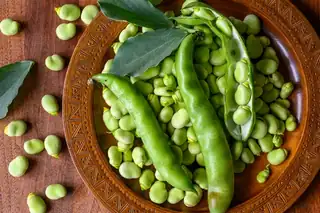
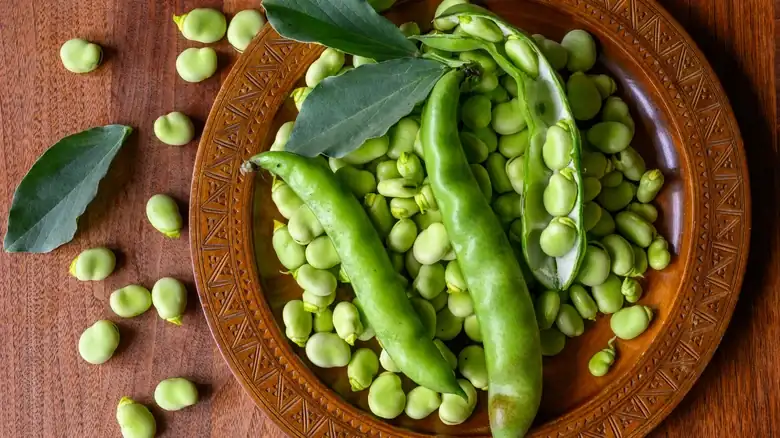
After shelling the fava beans, don't blanch them. Instead, spread them on a baking sheet and pop them in the freezer for about 30 minutes or until completely frozen. When you're ready to use them, let the beans defrost at room temperature for 10 to 15 minutes. They are ready once the skins begin to crumple, at which point they will slip off effortlessly, revealing the bright-green beans inside. The freezing technique makes fava beans another frozen option that vegans should always keep in the freezer, for easy batch and meal preps. Fresh favas are a spring legume, so this approach allows you to enjoy them throughout the year in your favorite bean-based recipes inspired by cuisines around the world.
From an ancient protein source to modern food innovation
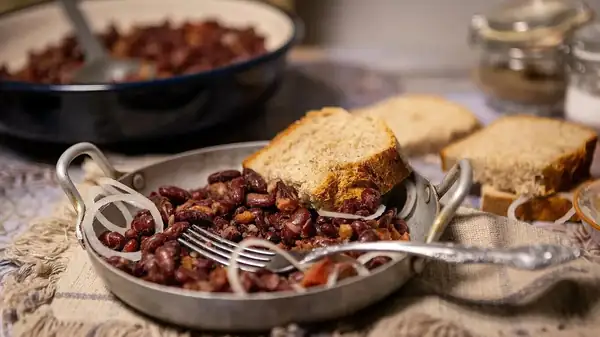
A dietary staple whose consumption is believed to date back to 6000 BCE, fava beans, also known as broad beans, have been cultivated and cherished for thousands of years, particularly across Mediterranean, Middle Eastern, and African cuisines. Throughout history, cultures have developed signature dishes centered around fava beans. In Egypt, ful medames — a dish of seasoned and mashed fava beans — has been a breakfast staple for millennia, while ta'ameya is an iconic dish similar to falafel, but uses fava beans instead. Moroccan bessara (or bissara), a hearty fava bean soup spiced with cumin and paprika, remains a beloved street food, while Italian cuisine includes them in vignarola, a spring vegetable dish combining fava beans with artichokes and peas.
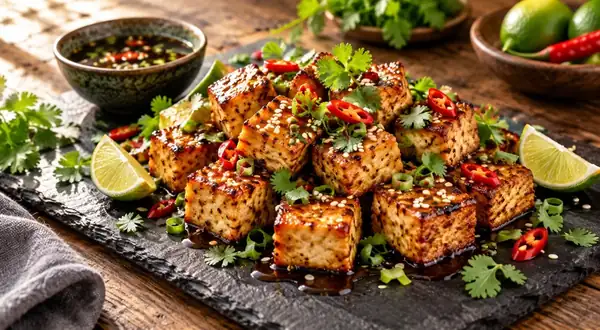
Today, fava beans are experiencing a renaissance in the plant-based food industry, primarily due to their impressive nutritional profile. Beyond protein, they're packed with fiber, folate, and minerals like iron and manganese. Food companies like Big Mountain have recently begun leveraging fava beans' properties to create soy-free alternatives to traditional tofu, showcasing the versatility and diversity of plant-based protein sources. As commitment to sustainability continues to drive interest in plant-based proteins, we are re-discovering the wisdom of culinary traditions of the past in our realm of modern-day food technology.