Soon, You May Be Able to Roast Coffee With Solar Energy Stored in Rocks
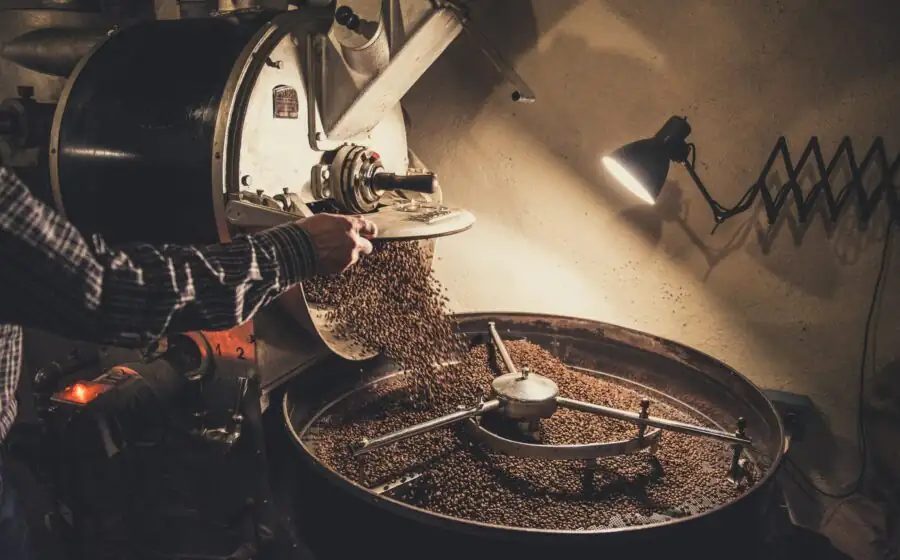
Roasting coffee takes a lot of energy, and most companies use gas to power their machines. Electric roasting machines are becoming more widespread, but across the U.S. and much of the world, electricity is still mostly generated using fossil fuels.
“It’s working with your current roaster that you know extremely well and just adapting to a different energy source.”
Solar power could be a game-changer for coffee roasting—if it can be harnessed. A project by the National Solar Thermal Test Facility at the Department of Energy’s Sandia National Laboratories in New Mexico is trying to do just that. Sandia is a research facility that works on a range of programs associated with U.S. national security, from nuclear deterrence to climate change.
In collaboration with Michael Sweeney, owner of Michael Thomas Coffee in Albuquerque, a team of engineers has developed technology that stores energy generated by solar panels in a bed of rocks. This stored energy can then be released to power a roaster, reaching temperatures up to 600°C (1,100°F).
Generating energy from the sun via solar panels isn’t particularly innovative—especially in a place like Albuquerque, which enjoys 300-odd days of sunshine every year. Storing that energy, however, is harder, and battery storage is expensive and resource-intensive. As part of its solar research, engineers at Sandia have been investigating technology to use rocks as a thermal energy storage system for several years. Doing so allows energy to be collected during the day and stored overnight, or even for a few days, before being used.
Importantly, the team is aiming to develop a bolt-on system that would allow companies to use the thermal rock storage system with existing roasters. “It’s not learning a new roasting machine,” Sweeney said. “It’s working with your current roaster that you know extremely well and just adapting to a different energy source.”
Energy from the rocks can be controlled via a computer, allowing roasters to adjust heat like they would with a gas-powered machine. Because of the heat it can generate, the system can also speed up roasts and shorten the time it takes to preheat the roaster, leading to time and cost savings.
While it is currently in the testing phase, the team aims to commercialize the technology. “Our work will allow Michael Thomas Coffee to install a near closed-loop system in their parking lot and use solar panels on top of their building to pump in hot air from the thermal energy storage system to facilitate industrial roasting,” said Ken Armijo, a Sandia systems engineer who is leading the project.