High season for game
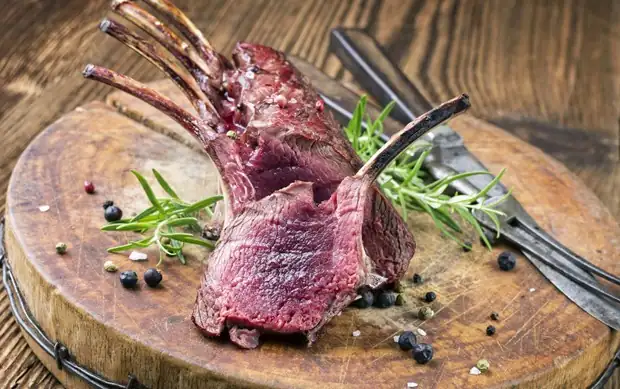
Game has always been valued for its distinctive and often very robust flavor, as well as its low fat content. It is also rich in vitamins and nutrients such as zinc and iron.
Unfortunately, game is a rare commodity and in some months very difficult or even impossible to obtain.
Hunting and closed seasons determine the availability of game.
The reason for the fluctuating availability is related to hunting laws. The time when game is in season is limited and depends primarily on hunting or shooting seasons and closed seasons for the respective animals. These are precisely prescribed by law and vary considerably in both duration and timing.
For example, deer may only be hunted between mid-August and the end of November, and hares and snow hares only between the beginning of October and mid-January. Wild boar and hares, on the other hand, are fair game year-round and can therefore usually be found on the menu throughout the year.
These guidelines and the associated hunting quotas result from the respective game population and its distribution.
Hunting is essential, otherwise the populations would become excessive and eventually spiral out of control, endangering the entire ecosystem. The game is usually hunted and killed in large-scale driven hunts.
Info: Incidentally, "wild" is defined as any animal species that lives freely in nature and is hunted for various purposes - mostly for use as food.
Peak season in autumn and winter
While it is now possible to obtain game year-round through imports and the use of frozen products, most restaurants and inns adhere to hunting seasons and therefore offer game primarily in autumn and early in the year.
Because many hunting seasons overlap during the cold months, a wide variety of different game species can be freshly processed and served during this time.
Besides wild boar and field rabbits, which are hunted all year round, these include, for example, deer, hares, pheasants, partridges, stags, wild geese and wild ducks.
Game is therefore available in large quantities and at relatively low prices during this time. Innkeepers and restaurant owners naturally take advantage of this and offer game at discounted prices during special themed weeks.
Overview of hunting seasons for the most popular game species
Although the respective shooting times vary slightly between the individual regions of Austria, they usually only vary by a few days or weeks.
The following list therefore includes all time periods, from the earliest possible to the latest possible:
- Fallow deer (Damhir) - early August to mid-January.
- Red deer (red stag) - beginning of June to end of December.
- Roe deer - beginning of May to end of December.
- European hare - beginning of October to end of December.
- Pheasant - beginning of October to end of December.
- Wild goose - beginning of August to end of January.
- Partridge - mid-September to mid-November.
- Chamois - mid-July to mid-December.
- Ibex - beginning of August to mid-December.
The legally mandated culling quotas are implemented through driven hunts and are strictly adhered to by the individual hunting districts. The prescribed culling quota ensures the sustainability of the game population. Only as much is harvested as can naturally regenerate, thus preventing overpopulation.