White layer on cooked salmon: it's not fat, here's what it actually is
A white film sometimes appears on the surface of salmon during cooking. Often mistaken for fat, it is actually related to a completely different phenomenon. Harmless, it can also give an indication of how the fish has been cooked and the texture it will retain on the plate.
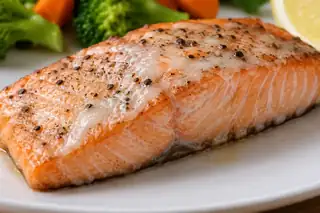
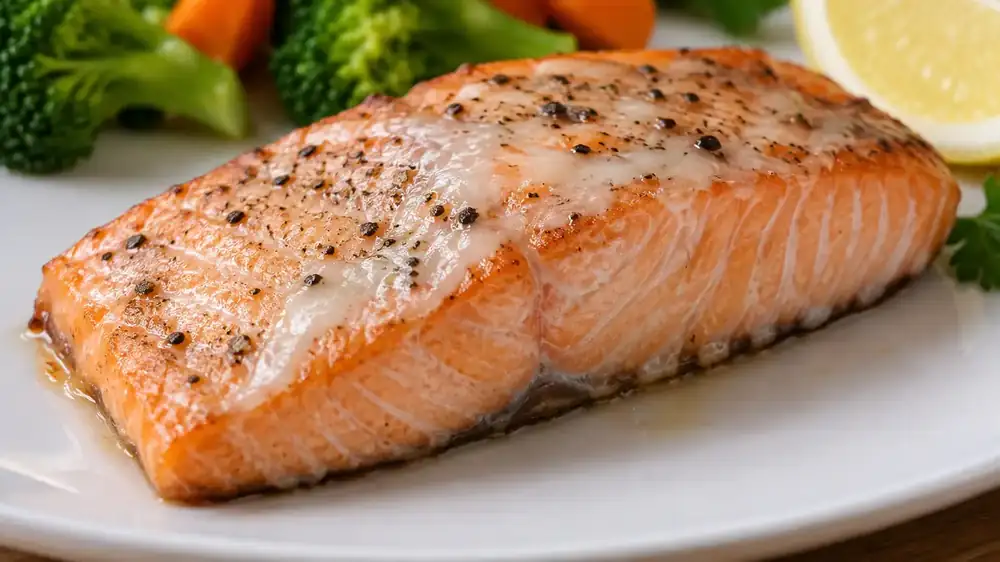
Cooking a salmon fillet seems simple, but one detail can quickly raise eyebrows when serving. A white substance sometimes appears on the surface of the fish during cooking, in the form of small drops or slightly foamy patches.
Many people spontaneously associate it with fat that supposedly renders from the flesh when heated. However, this substance has nothing to do with the lipids naturally present in salmon. It actually reveals a perfectly normal phenomenon, directly linked to the fish's proteins.
This whitish substance has a name: albumin. It is a protein naturally found in salmon flesh. When the fish heats up, this protein changes, coagulates, and sometimes rises to the surface.
It then turns white when exposed to heat, much like an egg white changes color during cooking. Its presence is therefore neither abnormal nor dangerous, and does not mean that the salmon is unfit for consumption.
Temperature is key to tender salmon without white deposits.
While albumin can form naturally, its appearance in significant quantities provides a valuable indication of how well the salmon is cooked. As Food & Wine explains, when this protein becomes very visible on the surface, the salmon has often been exposed to excessive or prolonged heat.
The proteins in the flesh begin to contract and lose their moisture at a relatively low temperature, around 49°C. The longer the cooking time, the more water is released from the fish and the more likely the albumin is to be expelled.
This phenomenon usually goes hand in hand with another well-known problem: salmon that becomes dry and fibrous. Overcooking gradually tightens the fibers of the flesh and drives out the moisture that gives it its tenderness.
To avoid this result, it's best to use a more moderate temperature, whether in the oven or in a pan. The goal isn't to cook the fish as quickly as possible, but to allow the heat to penetrate gently in order to maintain a tender and melt-in-your-mouth texture.
Resting time is essential for controlled cooking.
It's also important to keep in mind that salmon continues to cook slightly after being removed from the heat. Waiting until it appears completely cooked throughout before removing it from the pan or oven can therefore lead to it being overcooked.
Chef Michael Cimarusti recommends letting it rest for one to two minutes after cooking, so the temperature distributes more evenly throughout the meat. For those who want greater precision, a kitchen thermometer inserted into the thickest part of the fillet will help you better control the temperature.
Seeing a few white specks appear on a salmon is nothing to worry about. This albumin is perfectly edible and can even serve as a guide to adjust your cooking technique next time. If it covers a large portion of the fish, it's best to simply reduce the heat or shorten the cooking time.
By better controlling the temperature and letting the salmon rest for a few moments before serving, it becomes easier to keep the flesh juicy, tender and much less marked by this white deposit.