Asparagus and other foods rich in folic acid (you don't need to be pregnant to eat them)
You don't need to be pregnant to consume folic acid; this vitamin is not exclusive to pregnant people but is for the general population. That's why I'm going to tell you about foods rich in folic acid.
Folic acid is part of the B complex vitamins; it is vitamin B9, and its consumption helps with proper cell function and tissue growth in everyone. Its presence keeps skin, hair, and nails healthy and helps prevent anemia.
Adequate folic acid intake before and during pregnancy helps prevent certain birth defects, including spina bifida and anencephaly.
Foods with folic acid
The easiest way to consume enough folic acid is through the intake of vitamin supplements that should be prescribed by your doctor.
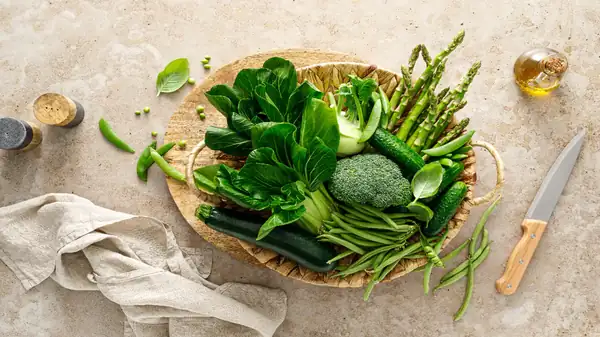
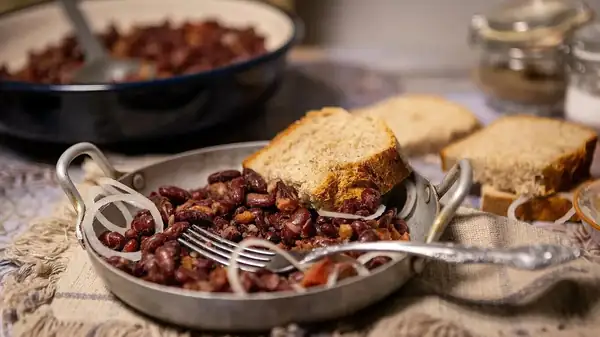
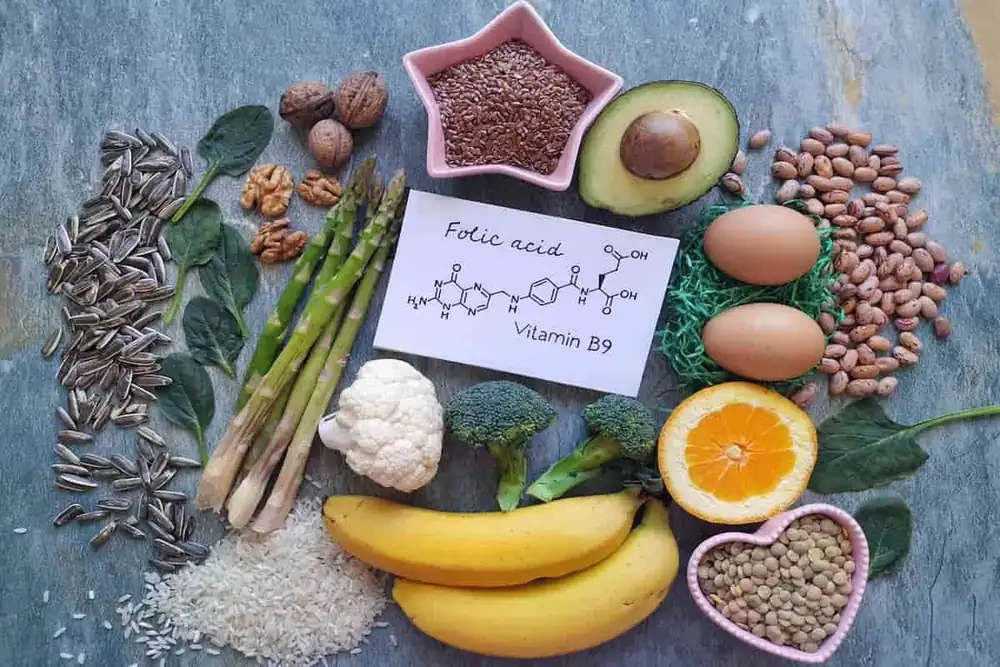
However, folic acid is found naturally in foods such as green leafy vegetables (spinach, cabbage, lettuce, asparagus and dark vegetables); legumes (lentils, beans, soybeans); fruits (melon, bananas, oranges and avocado) and citrus juice, as well as in beef and chicken liver.
Many foods are fortified with folic acid: breads, cereals, flours, corn flours, pasta, rice, and some other grain products.
What happens if I take folic acid every day?
A healthcare professional can determine how much folic acid your body needs with a blood test; your doctor will then recommend additional intake or not.
In that case, taking folic acid every day is not dangerous because the prescribing doctor is aware of it and will monitor the folic acid levels in the blood.
It is important that before consuming excessive amounts of these foods rich in folic acid or supplements, you visit a professional to find out if your body needs them in greater or lesser quantities.