
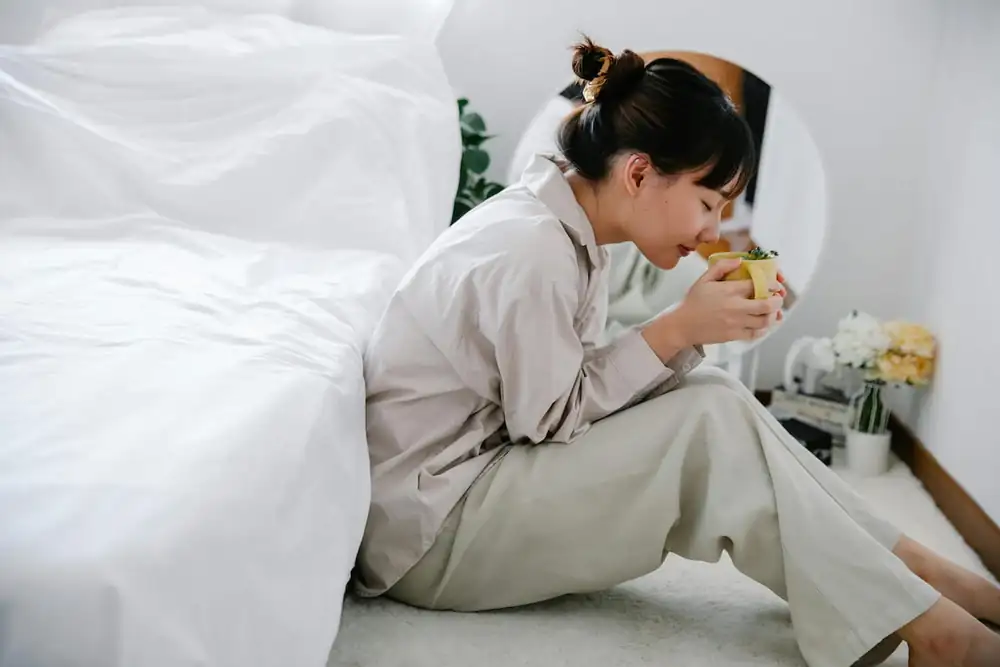
Insomnia? The best tea for sleeping through the night and getting a good night's rest
More than 45% of the adult population in Mexico suffers from insomnia, sleep apnea, or snoring, which are the main sleep disorders, according to the National Autonomous University of Mexico (UNAM).
What causes insomnia?
Not dreaming or resting is putting people in a situation of disadvantage, vulnerability and high risk, warned Rafael Santana Miranda, head of the Sleep Disorders Clinic at the Faculty of Medicine.
There are multiple physical and social factors that contribute to poor sleep quality. Among the main causes are:
- Excessive working hours that far exceed the official eight hours, reaching up to 12 hours of work per day.
- Night shifts or rotating shifts that directly affect people's biological rhythm and their sleep hours.
- When traveling long distances to get to work, people end up sleeping poorly or on public transport.
- The overuse of mobile devices and addiction to social networks continue to monopolize people's attention and time for most of the day, but worryingly, until late at night, sacrificing hours of rest and sleep.
Santana Miranda emphasized that the ideal average amount of sleep an adult should get to achieve restful sleep and optimal rest is between 7 and 8 hours per day.
What is the best tea for sleep?
To help our body rest and get enough sleep, it's necessary to consult a professional; however, we've included a sleep-inducing tea that you could add to your insomnia treatment.
- Mulungu (Erythrina mulungu): a plant with calming and sedative properties, usually indicated for the treatment of insomnia, stress, and anxiety. "In the tea, we use the bark of this tree from the Cerrado region, which is an excellent sleep inducer and maintains its quality for about five hours," she notes.
- Passionflower (Passiflora incarnata): Passionfruit leaves are rich in compounds that reduce anxiety and also improve sleep quality. "Tea made from the leaves, when consumed before bed, brings sleep to deeper waves and prevents nighttime awakenings," she adds.
- Lemongrass (or melissa): relieves anxiety and increases well-being, improving sleep quality. "Its essential oil, released during tea preparation, acts on GABAergic receptors, enhancing the reduction of anxiety and stress," she says.
Preparing tea for sleep
To make a sleep-inducing tea with one of these herbs, boil 500 ml of water and add two tablespoons of the herb. Let it boil for 5 to 10 minutes. Strain and drink a cup two hours before bed to avoid having to get up to use the bathroom.
Experts advise against using cell phones before bed, as the blue light emitted by these devices disrupts sleep. Remove the television from the bedroom and keep your room as dark as possible.