The Tena Valley, in Huesca, in bite-sized pieces
The Age of Walnut Trees
This gastronomic tourism route begins in Sardas, near Sabiñánigo, the gateway to the Tena Valley. In this village of 38 inhabitants is La Era de los Nogales, one of the most recent Aragonese restaurants to earn a Michelin star. Toño Rodríguez and his young team work there. The dining room is like a spacious room with views encompassing several Pyrenean giants. The sheer enjoyment of the scenery almost justifies the price of the tasting menu.
You walk in, sit on a stool overlooking the shelves displaying fermented, pickled, and distilled goods, lean against the bar, and everything begins to flow. The cured meats from the Pyrenees rivers that Toño presents are a revolution for the mind and palate. Unfamiliar textures and flavors. That sturgeon that tastes like cured ham. It's the first taste of the 22 courses on the Ambition menu (€95).
In Biescas, vermouth and mountain tradition
On this short 50-kilometer route between Sabiñánigo and Formigal, you'll climb 800 meters, but Biescas is still nestled at the foot of the valley. In this town, you'll find Mala Yegua (10-12 Calle Mayor), the most chic vermouth bar in the Tena Valley. Its Art Deco style, with a modern and elegant ambiance, invites you to relax, a feeling further enhanced by the comfortable sofas.
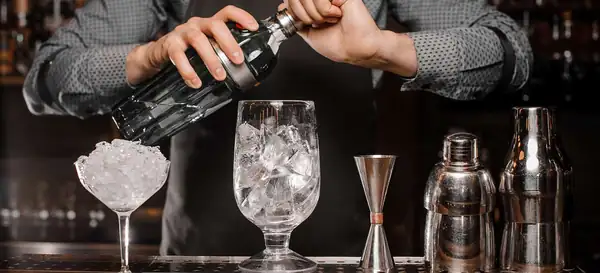
The workspace is unusual because there's no bar. Just the cocktail and kitchen preparation table. Vermouth is present in all the cocktails. There are traditional ones like the Negroni and creations by Toni Sánchez, such as La Perra, made with dry vermouth, gin, lemon juice, tonic water, and a smoky touch.
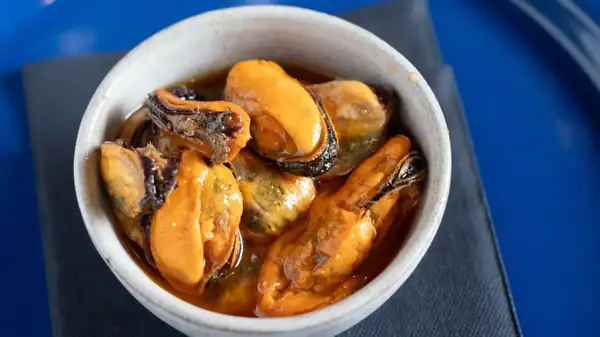
The cold menu revolves around gildas, of which there are nearly twenty varieties, changing weekly. The classic anchovy gilda, the whitebait gilda, and the smoked fish gildas are always a hit. In addition, they carefully select tinned goods, featuring products like Conservas Felisa Gourmet from Barbate (Cádiz); La Belle-Iloise from France; and the wide assortment of cockles, clams, and razor clams from Los Peperetes in Galicia.
Also in Biescas, the Casa Ruba hotel reopened last year, along with its restaurant, La Cuchara de Ruba (18 Esperanza Street). Their specialty is stews and soups, and although they refresh their recipes at this time of year, there's always something to recapture the flavors of grandma's cooking.
Theirs is a superb set menu (Monday to Friday, €26), which always begins with two small appetizers. The traditional broth is a staple, and rabbit pâté and ham croquettes are very common. Legume dishes are available almost year-round, especially refreshing now, and two of the most popular rice dishes are the mountain rice and the rabbit and snail rice.
Lavedan, an innovative vision of the territory
The next stop is Tramacastilla de Tena, where the Lacuniacha Wildlife Park offers a complete immersion in the flora and fauna of this area of the Pyrenees. Walking through the forest at a leisurely pace, discovering the animal species that live in semi-freedom at every turn, is a pure delight.
The recommended restaurant is Lavedán, run by the young chefs Sergio Sáinz and Carla Frigolé. They don't sell anything they don't know how to make themselves. This philosophy encapsulates their approach, honed by Sergio's 12 years of experience in high-end kitchens.
He grew up surrounded by large pots, game, and the aroma of French cuisine. These are details that populate his recipe book, which he promoted and showcased this year at Madrid Fusion, where he created the best escabeche in Spain. The winning recipe is unique, as the tongue is not pickled in wine or apple cider vinegar, but in elderflower vinegar that he prepares himself.
Of course, there are pickled dishes on the Borina tasting menu at a Val (68 euros), such as the terrine of three meats with pepper and pickled carrots, but also curious combinations such as pig's snout, cauliflower and caviar, or the presentation of the lamb of the Churra Tensina breed in the form of a sausage.
Cambium and paradise in the form of a reservoir.
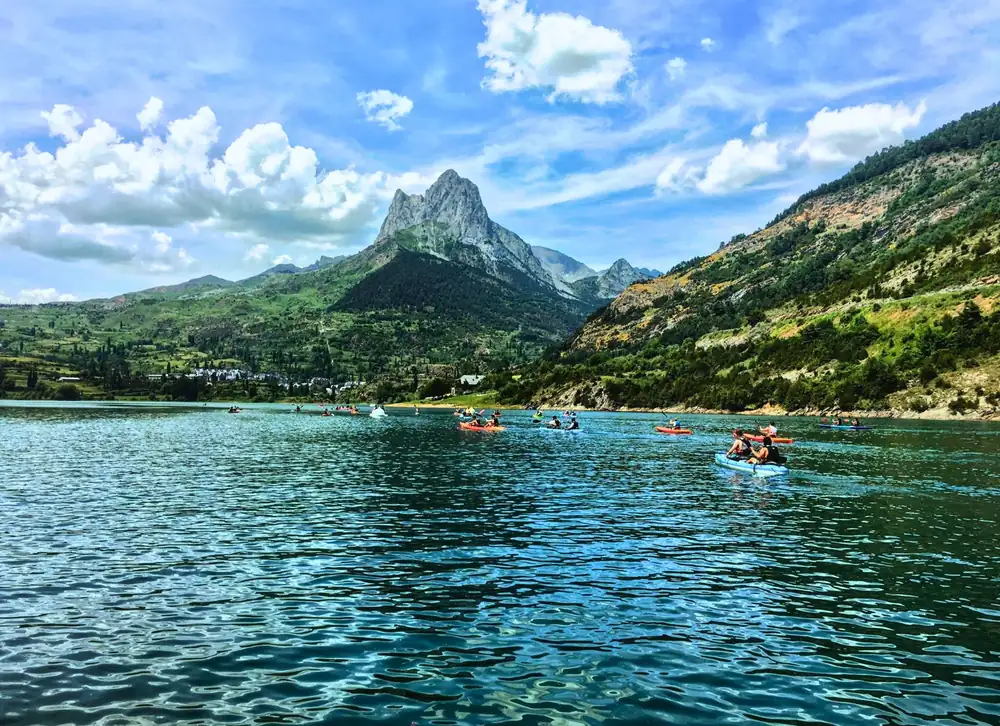
At this point in the route, you must allow yourself to be captivated by the magic of the Lanuza reservoir in Sallent de Gállego, which is filled by the waters of the Gállego and Aguas Limpias rivers. The scene is completed by the nearby mountains that rise to over three thousand meters, the restored village of Lanuza, and the protective Peña Foratata, which stands guard over this enchanting natural environment.
Suscalar is the reservoir's dock. Water sports are its main attraction, complemented by a unique waterfront restaurant. Stand-up paddleboarding (SUP) is the trendiest activity, but there are also family-friendly options like pedal boats. On windy days, windsurfing and sailing are popular. And in July, at night, Pirineos Sur and world cultures come together through music.
A gastronomic visit to Sallent includes a visit to the Cambium restaurant, which offers stunning views from the dining room and, at the table, a menu linked to the Alto Gállego region, but with Basque, Catalan and French influences.
Their menu offers a wide selection. It boasts the most diverse offerings on this route, with options ranging from Iberian ham, scallops, or grilled octopus and turbot, to a tasting menu (€58) that showcases the local cuisine. The appetizers are savored like vermouth hour. Sturgeon appears in several courses, as does Pyrenean trout, along with a comforting thyme soup with Japanese influences and grilled leeks topped with black truffle from Graus.
That's it, high mountain cuisine.
From Formigal, the last stop on the route, you can take many excursions to explore mountain lakes like Anayet. The perfect plan before lunch or dinner at the Vidocq restaurant (Jacetania Building, Huesca Avenue, ground floor). Chef Diego Herrero deserves credit for putting Aragon on the map of high-mountain cuisine.
'Global cuisine with local produce'. This is his motto, which Diego loves to explain to diners: a menu of local recipes but with Basque influences – he was born in Baracaldo – and Asian influences – for two years he traveled through countries like Indonesia, Thailand or India – and many references to what he calls 'mother's cooking', "which could be in India, Nepal or Bilbao."
All of this translates into a tasting menu, La Montaña Nómada (70 euros). Diego Herrero suggests that “each dish is a conversation between the Pyrenees and the world, a mixture of memory, technique and affection, which aims to move without artifice, like a well-told story.”