Enrique Valentí: a luxurious debut in Madrid
Thanks to restaurants like Valentí, Casa Paloma, Chez Coco, Barbas, Marea Alta, Marea Baja, and Adobo, chef Enrique Valentí has been a key figure in Barcelona's culinary scene for the last 25 years.
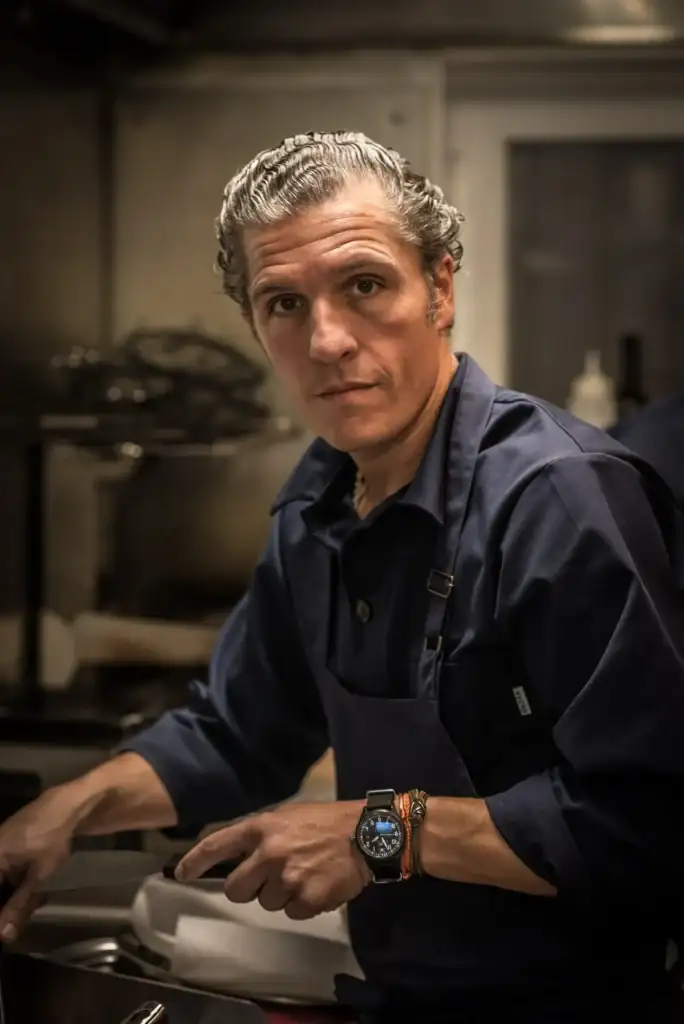
Having just turned 50, Valentí is embarking on his first venture in the capital, Caja de Cerillas. And he's doing it solo, without partners. As he himself acknowledges, it's not a return, it's a debut: “I'm returning to Madrid because I'm from Madrid,” he points out, “but I'm debuting in Madrid. Many people throw a big party when they turn 50, and I thought to myself: 'Well, what are we going to do? I'm going to treat myself to a big project.' And here we are. I'm very excited. Sometimes the stars align when you least expect it. It was the right time, a vital project, something I felt like doing, and that's it, I took the plunge. So, yes, I am debuting in Madrid.”
And he's not just changing cities, he's leaving haute cuisine behind to open a contemporary eatery. "Restaurants were born," he explains, "with the philosophy of serving food you couldn't make at home because you couldn't find the ingredients or lacked the skills and knowledge to prepare it. A 21st-century eatery is, at the very least, an exercise in foresight and honesty."
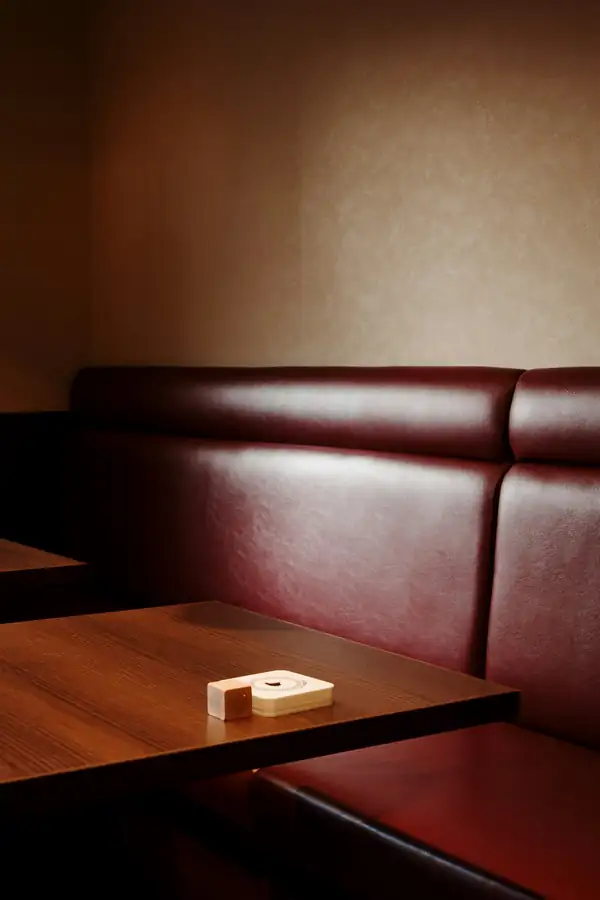
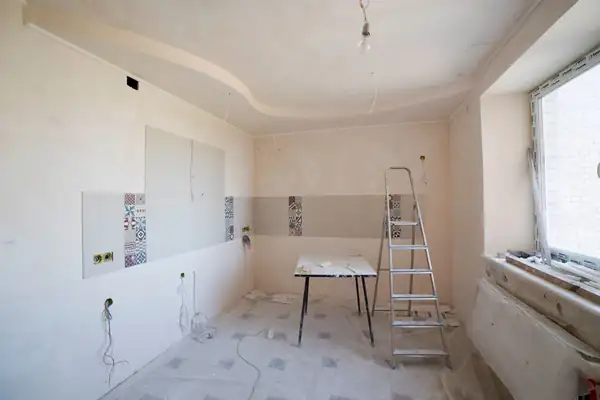
On a corner in the Chamberí neighborhood, a space that for many years housed the Asturian restaurant Río Nalón, Valentí has opened a small restaurant with a bistro feel and seating for just 25 diners at eight tables; hence the name Caja de Cerillas (Matchbox). His concept is to revive traditional recipes, some on the verge of being forgotten, and recreate them while respecting and, if possible, accentuating the flavors of memory—recognizable, pristine, and enjoyable. He defines it as “everyday cooking: something you should find, or at least in the days of those of us who are getting on in years, you found almost every day, and which has now become something strange and different.”
The menu, featuring around twenty dishes plus daily specials, is structured into five sections: Tapas, Starters, Main Courses, Grilled Dishes, and Desserts. An initial exploration of the menu almost inevitably begins with the sumptuous anchovy (cleaned in-house, with oil, vinegar, and pepper) served with tomato bread, a dish that pays homage to Hermanos Vinagre and Barcelona.
And then there's the endangered empanada, filled with tuna and tomato, with a thin crust and a delicate frying. This same delicacy is echoed in the succulent cod fillets, a tribute to Casa Labra, accompanied by a vibrant piparra pepper sauce.
Pure seasonality in the cooked white asparagus with citrus vinaigrette and in the mackerel with warm escabeche and a full-blown space-time regression with the addictive green beans with smashed potato, ham and warm mayonnaise.
For a restaurant to truly be a eatery, it must have hearty, comforting dishes, like this white bean stew (almost like a small, thick bean dish) that melts in your mouth with extra-large clams. Perfect for dipping bread, as it should be.
Country macaroni, baked with tomato sofrito, chicken, sausage, bacon and cheese is another nod to Barcelona (although it might give an Italian a heart attack), indulgent and enjoyable: a guilty pleasure in every sense of the word.
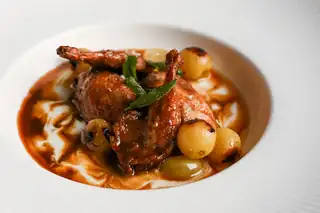
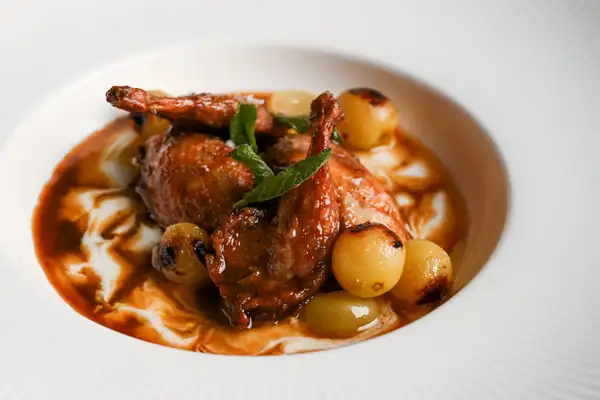
Another endangered species to be rediscovered: beef meatballs in sherry with a meat broth. Many childhood memories are present in the essence of this dish. And, to top it all off, a grilled Galician sole, firm and flavorful, with a touch of Getaria-style vinegar, accompanied by escalivada and a green salad.
For dessert, the refreshing mango and apple dessert is a must-try. It not only lives up to its name but also features a playful, almost textual, trompe l'oeil effect, with the apple sliced to resemble rice. For those feeling nostalgic, the vanilla flan with Chantilly cream and the anise fritter are both impeccable.
A very well-structured wine cellar, with a remarkable variety of styles and prices, and a wide selection by the glass. Corkage is also accepted and, notably, is currently free.
“On an ego level, I try not to have one, even less so at this age,” Valentí explains. “That’s for young people: when you’re young, you have to have that ego and that ambition. I had it when I was young, why not admit it? I’ve always had a big ego and I’ve always wanted to be one of the good ones, if not the best. Now, when you’re not so young anymore, it’s an exercise in reflection. And this project is a restaurant where you can grow old and enjoy that aging.”
“I have nothing against people who have been around for many years and are still doing very avant-garde things,” he continues, “but I think everyone has to find their own niche, their own path. Now I'm looking for one thing only: happiness for the diner. It's a tailor-made project, almost self-employment, where we've decided to open Monday through Friday, where we've chosen the size, where we've chosen the philosophy. Finding someone who wants to cook alongside you and make green beans is also part of it all. I always tell my family that you shouldn't confuse simplicity with ease: simplicity is clarity, and finding clarity these days is one of the hardest things in the world.”
Judging by what we've seen, Enrique Valentí seems to have found that clarity of vision in his hometown. And Madrid couldn't be happier.