Georgian-Style Pickled Cabbage
Georgian cuisine can be compared to a Georgian song: it's soulful, multi-voiced, and incredibly delicious! Khachapuri and satsivi, chakhokhbili and tkemali, lobio and kharcho—we know the names...
- Water
- Granulated sugar
- Salt
- Black peppercorns
- Table vinegar 9%
- White cabbage
- Beet
- Carrot
- Garlic
- Red chili pepper
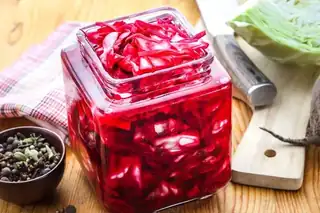
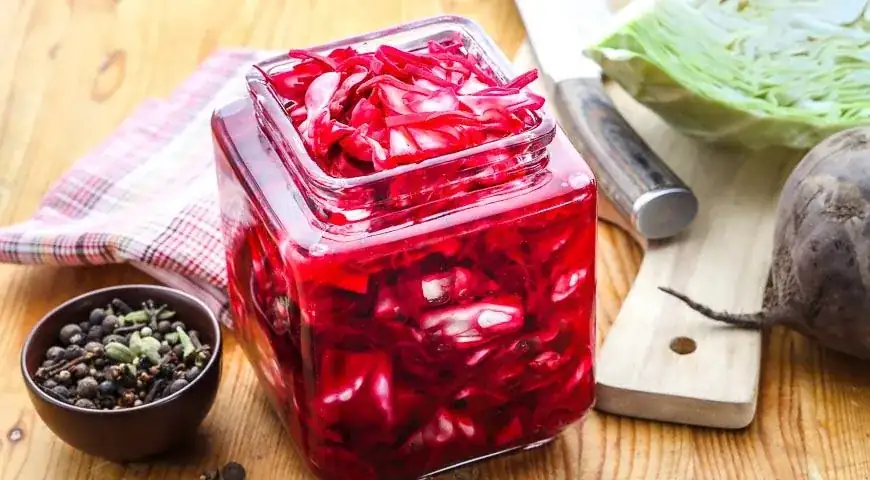
- Prepare the marinade for Georgian cabbage. Pour water into a small saucepan, add salt, sugar, and peppercorns. Stir, bring to a boil, and simmer for 2 minutes. Remove from heat and pour in the vinegar.
- Prepare all the vegetables. Remove the outer leaves from the cabbage head. Cut it into quarters and remove the stalk. Cut the cabbage leaves into large strips or squares.
- Wash and peel the beets and carrots thoroughly. Grate them coarsely or cut into very thin strips. Separate the garlic cloves and peel them. Chop finely.
- Wash the chili pepper and cut it in half. Remove the seeds. Finely chop the pulp. In a large bowl, combine the cabbage, beetroot, carrot, garlic, and chili pepper. Transfer to a three-liter jar.
- Pour the marinade over the vegetables. Seal the jar with a plastic lid and leave at room temperature for 24 hours. Store the finished pickled cabbage in the refrigerator.
We believe that sauerkraut is a traditional Russian dish. However, some historians believe that sauerkraut was invented by the Chinese. Furthermore, many cultures have similar dishes. In Russia,...
Cabbage salads are incredibly versatile. Cuisines around the world have their own recipes and cooking nuances for this vegetable. And considering there are about fifty varieties of cabbage,...
Georgian satsivi is traditionally prepared with turkey. Incidentally, the word "satsivi" itself simply refers to a sauce made with crushed nuts, so any poultry or even meat can be cooked in it. However, we'll stick with the Georgian classic and choose turkey. Which bird should you choose? Ideally, the fattiest bird you can find: this determines the richness of the dish's flavor. The sauce should be quite thick, so don't skimp on the nuts. Finally, remember that Georgian satsivi is traditionally served on a large plate, allowing guests to help themselves, depending on their tastes and appetites.
Pickled cherries are delicious and wonderful. It's hard to tell what's most delicious: the cherries themselves or the marinade. Serve pickled cherries with homemade cutlets, grilled lamb chops, or a juicy pork chop. The pleasant tartness will complement the entire dish. Pour the marinade into a bottle and use it separately as a light sauce or dress a mixed green salad with olive oil.
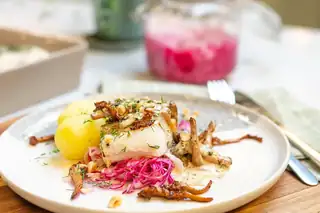
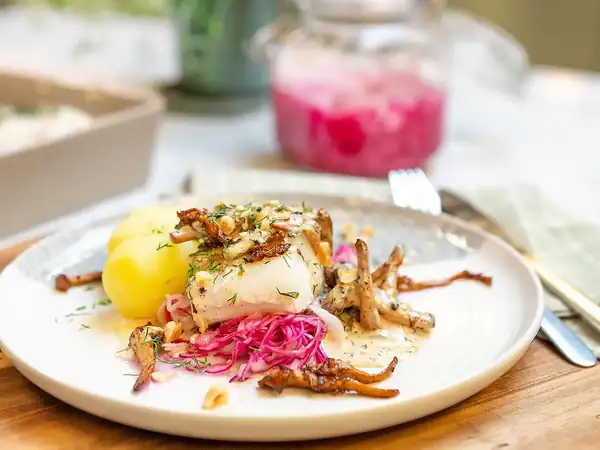
This quick-pickled cabbage is a favorite with everyone who's tried it: the flavor is subtle, fresh, and very pleasant. Incidentally, this appetizer can be used as a base for a variety of dishes! Divide the pickled cabbage into bowls and top each with fresh tomatoes or bell peppers, red onions or finely chopped green onions, boiled potatoes, or marinated mushrooms. Dress it with a little oil, and you'll have a whole salad bar on your table. Quick-pickled cabbage can be stewed with pork, chicken, or even added to cabbage soup! Want to make this preparation more "proper"? Replace the vinegar with diluted lemon juice (1:1): it will impart interesting citrus notes to the pickled cabbage.
Korean-style pickled cabbage is a great option for those tired of regular sauerkraut. It's also perfect for those who simply like it hot! The dish is quite spicy, but it's still a far cry from the authentic Korean version (tourists who have visited this Asian country will confirm this). Unlike fresh pickled cabbage, this cabbage has a pleasant tartness due to fermentation during the cooking process. Essentially, this is a Korean take on Russian sauerkraut! And as for the spicy flavor... No problem! Take a cue from your Asian neighbors: they never drink hot food with water (it'll only make it worse), but rather eat it with rice or flatbread.
Pickled cabbage with beets is a wonderful homemade treat. While it's not as popular as cucumbers and tomatoes, its bright, crisp leaves in a slightly tart marinade are equally striking. Cabbage is great as an appetizer, in salads—like a vinaigrette, for example—or served with boiled potatoes and meat. Pickled cabbage is also a great addition to burgers and sandwiches.
Pilyuska (or "pelustka")—cabbage and beetroot—has every chance of becoming a permanent fixture in your family's menu. A few simple preparations in the evening, and the next day you'll be able to savor this delicious pickled appetizer. Incidentally, it looks so impressive that you can even serve it at a holiday table: the beets, when pickled, impart a beautiful deep pink color to the cabbage. However, pilyuska isn't suitable for long-term storage. But that's not a problem, as it's easy to prepare and can be made daily.