The One Steak Order Professional Chefs Can't Stand
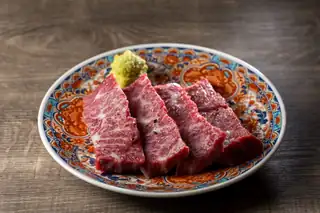
There is no "correct" way to order a steak. Everyone has their own tastes and opinions regarding the matter and, as such, it's very hard to get everyone to agree on how a steak should be served.
“between medium-rare and medium actually even exist? This answer seems to differ from person to person, with some believing that”
The people who are most likely to understand which steak options are the most popular are the folks at your local steakhouse. Whether they're line cooks to top-of-the-line professional chefs, these people know beef. One chef from a cheap steakhouse can probably tell you that rare porterhouses are the most popular at their restaurant, while another chef at an expensive steakhouse might relay that medium-rare filet mignons and wagyu beef are the specialties where they work. It all depends on where you go. And although chefs may have their own opinions on what the best level of doneness is, one thing that many chefs agree on, it seems, is a very particular way in which some individuals order steak.
Chefs don't like it when customers order between temperatures
Despite what you may think, most chefs at any kind of steakhouse don't care what you order. Although the server may offer a temperature recommendation on particular cut of beef, the kitchen will cook your steak however you want it. But while putting in a request for a rare or well-done steak won't unnerve a seasoned team, there's one particular order that can mess up a chef's mood.
As Isaac Toups of Toups Meatery tells Eat This, Not That, it's a real pain when a customer tries to "split hairs" in their order, like ordering a steak that's somewhere "between medium and medium-rare." He explains that chefs find these kinds of orders so vexing because "we already have five temperature [choices] and they are only about five degrees from each other." Because the difference between the two temperatures is negligible, it would likely be indiscernible even if the steak was cooked to that exact elusive sweet spot. Toups elaborates that, in such a case, the steak in question is probably just going to be served medium.
Instead of trying to compromise on what you want the next time you go out to a steakhouse, pick a level of doneness and take comfort in knowing that you're not causing the kitchen any headaches. Your decisiveness will be appreciated.
Does medum-rare plus even exist?
While Isaac Toups argues that the difference in temperatures between medium-rare and medium is very minor, does a "middle ground" between medium-rare and medium actually even exist? This answer seems to differ from person to person, with some believing that "medium-rare plus" technically doesn't exist or is something too burdensome for a harried restaurant chef to prepare.
Similar to Toups' argument, chef Tom Colicchio, in an interview with Barstool Sports, explains that while he believes the middle ground of medium-rare plus can exist, to order it in a restaurant is next to impossible. This isn't because the chef working at the restaurant is incompetent or lazy, but it's because this middle ground requires a fair amount of time and attention to reach. A chef, busy with multiple other orders, can't be expected to spend an incredible amount of time gushing over your steak just to make sure it's at medium-rare plus. You'll either get it medium or medium-rare to save time.
Others may argue that medium-rare plus can't exist due to the fact that most restaurants are not only too busy to handle such a specific order, but they also follow a generally agreed-upon set of guidelines for ensuring the correct temperature of a steak. Most chefs won't flout these doneness levels, whether it's by the restaurant rules or personal preference, and that's why your steak will likely be prepared either medium or medium-rare rather than the kitchen spending extra time to please one customer.