How Italian wine tourism is adapting to new needs
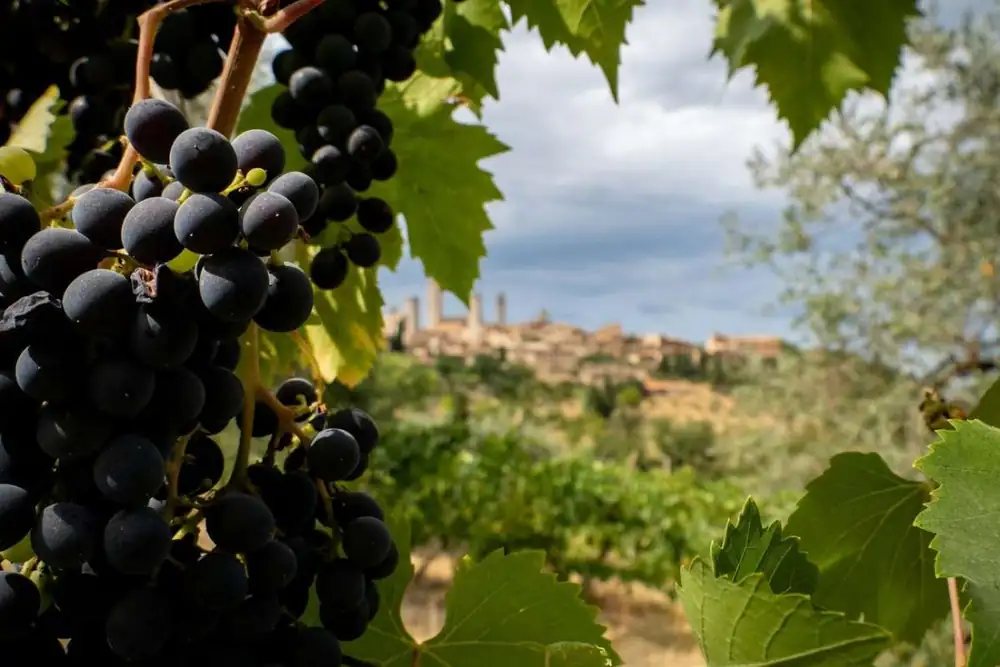
The significant importance of Italian wine tourism offers an opportunity to evaluate the effectiveness of wine producers' on-site hospitality.
"Today, Italian wine is a highly significant attraction for Italian and international travelers, and the level of wine tourism has reached such a level that it requires a proactive approach aimed at stimulating the constant improvement of the quality of the offering," says Roberta Garibaldi, president of the Italian Association of Food and Wine Tourism. "The sector is called upon to address new challenges that intertwine production and tourism: the need to enrich offerings with an experiential and authentic approach, the risks posed by climate change and the differing consumption habits of younger generations, and artificial intelligence. It is desirable to adopt an integrated approach and new territorial development models capable of enhancing human resources and providing a timely and systematic offering."
Regarding ongoing challenges, the first concerns the need to differentiate experiences to extend the duration of food and wine holidays and create targeted packages based on age groups and demand. Nearly 60% of Italians believe winery offerings are too similar. The data on experience gaps, the most significant among the dreamed-of but not yet realized experiences for the general tourist target, concern, in order: candlelit dinners in the vineyards, sunset tastings in the vineyards, wine-themed wellness treatments, and winery bike tours. Considering the strictly wine tourism target, corporate team-building activities in wineries dominate the ranking of unfinished experiences, underscoring the interest in combining leisure and business tourism.
A second concern concerns authenticity. The analysis clearly shows that it primarily involves a desire for local, regional offerings (62.3%). Another aspect of authenticity is "seeing and experiencing landscapes that retain their agricultural vocation," and this aspect was cited by 38.4%. Meeting locals is more significant for the very young, tending to decline with advancing age.
The experiences represent a boost for direct sales by the wineries (also very important for the immediate effect on revenue and for the margins guaranteed to the companies): the data highlights that there is a significant difference in consumption orientation between younger and older tourists, with the former tied to white wines, sparkling wines and alternative wines, while among the boomers, reds and more traditional products prevail.
Among the challenges ahead, the main one is related to the combination of wine and health: the analysis shows that there is no unequivocal position on the topic of this beverage's harmfulness. 47.9% of respondents agreed that wine consumption is harmful to individual health, 21.5% disagreed, and the remaining 30.5% were neutral. The generational divide is interesting. Young adults in particular are in agreement (35-44: 50.3%, 45-54: 52.9%), while younger adults tend to disagree (36.8%).
Climate change will undoubtedly have a significant impact on the sector, bringing short-term seasonal variations to wine tourism, while in the long term it will have a more structural impact. Equally important will be the critical impact on wine consumption among GenZ, who may see experiential wine tourism as a means of attracting and driving the spread of wine culture. Finally, wine tourism will play a crucial role as a development vehicle for inland areas, requiring investment in transportation and training for professionals working in the area.