Five factors that determine who gets Michelin's new wine recognition
The Michelin Grape rating, introduced late last year, goes far beyond how well a particular vintage did. It aims to assess the long-term quality of an estate, how it treats its vineyard, how consistent it is in its work, and whether it can produce wines that truly reflect its own character.
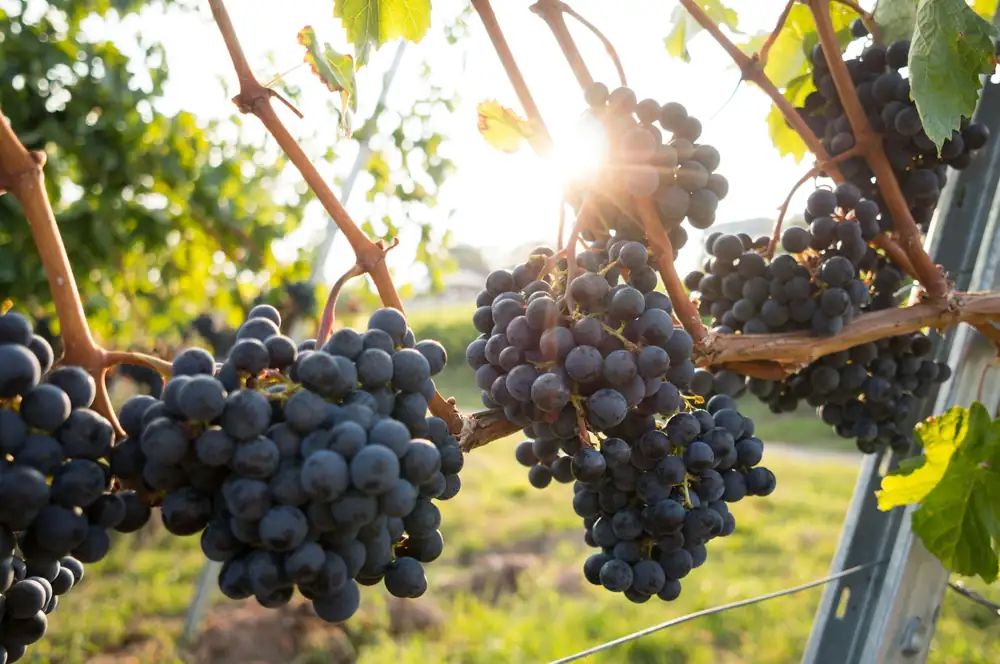
It all starts in the vineyard
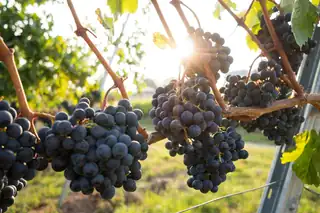
According to Michelin, the foundation of a great wine is laid long before the grapes reach the cellar. That is why inspectors pay special attention to the condition of the soil, the health of the vines and the cultivation practices of the estate. The quality of the agronomic work directly influences the character of the grapes and, ultimately, the wine itself. A carefully managed plantation will result in a more balanced harvest and more stable quality in the long term.
The cellar determines how clearly the terroir is expressed.
The second aspect is technological readiness, but this means much more than modern winery equipment. Michelin examines how precise the entire winemaking process is, from the timing of the harvest and the processing of the grapes, through fermentation and maturation, to bottling. The goal is that every decision serves the character of the wine, and the end result faithfully reflects the characteristics of the growing area and the grape variety. The inspectors look for wines in which technology becomes almost invisible: the professional knowledge of the winemaker is demonstrated by the fact that no technological error or disproportion distracts attention from the terroir and the true character of the raw material.
A wine should have its own personality
Two identical grape varieties can produce completely different wines. The inspectors therefore particularly value identity, i.e. how much a wine expresses the place of production, local traditions and the thinking of the winemaker. Truly memorable wines always have their own story and a clear character behind them. Of course, the aim is not for every wine to follow the same international style, but rather to find that special touch that tells the story of where the wine comes from.
Balance is more important than concentration.
A wine with character easily attracts attention, but a truly great wine is memorable for its harmony. Michelin inspectors therefore examine how the main components of a wine fit together. Acids, tannins, alcohol, sweetness and notes from oak aging work best when none dominates the other, but together they shape the character of the wine. Such a wine is both tight and proportionate, complex, yet easy to drink. It is precisely this harmony that gives a long finish and a lasting experience to every sip.
One good vintage is not enough
An excellent wine does not necessarily make a winery excellent. According to Michelin, the true value is shown by the consistency with which an estate works over many years. That is why inspectors examine wines from several vintages, as each vintage holds different challenges. Changing weather conditions, the amount of the crop or the condition of the grapes present the winemaker with new tasks from year to year. Truly outstanding wineries respond to these situations with a high professional standard, and their wines maintain their balance, character and quality even in the more difficult vintages.