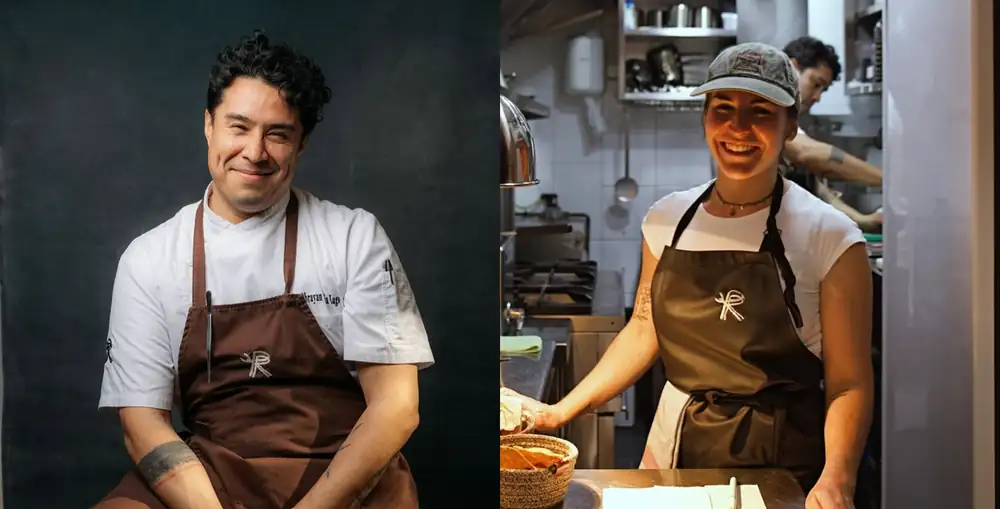
If a Basque woman and a Mexican man cook together in the Basque Country, what could possibly go wrong?
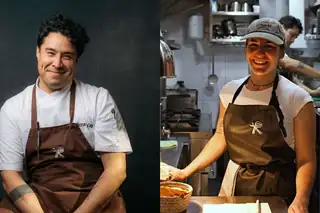
They met working at Nerua, and time and life have led them to open a restaurant in Gros. She is Ane Lore Lasa, from Beasain, Gipuzkoa, and he is Obrayan García Lugo, from Cuernavaca in Morelos (Mexico), known as 'Presioso' after his time at the Guggenheim.
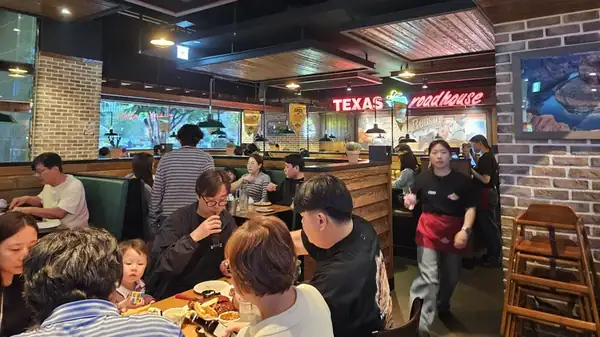
Two years ago, they took over the premises of the former Hidalgo, 56, with its bar, fishmonger's kitchen, and that curtain you have to draw back to enter a dining room where the blues, Nirvana, and Queen play softly. "Erre means to roast, to burn, smoke, in Basque. Here we make a radical, uncompromising cuisine based on raw ingredients. Every day we go to the market; we get vegetables from a garden in Martutene, and we buy line-caught fish from the inshore boats from Iván and Sergio. I go to Coro Sotero, the most famous fishmonger in San Sebastián, at the San Martín market. Coro lets me personally choose the pieces I bring to the restaurant; the kokotxas one by one, just like Alicio Garro (owner of the legendary, now-defunct Ibai) used to do," says Obrayan, who started cooking in Cuernavaca for his parents and his brother Marco Polo.
“They would arrive so tired from work… my way of thanking them was to serve them noodle soup, a stew with meat,” he recalls. Over the years, he became the private chef of a multimillionaire in Puerto Vallarta who encouraged him to specialize in Europe: He spent seven months at Nerua Guggenheim. “'I thought you weren’t going to come back,' he told me when I returned,” confides this man of his word.
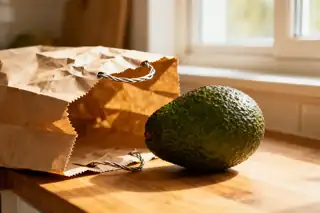
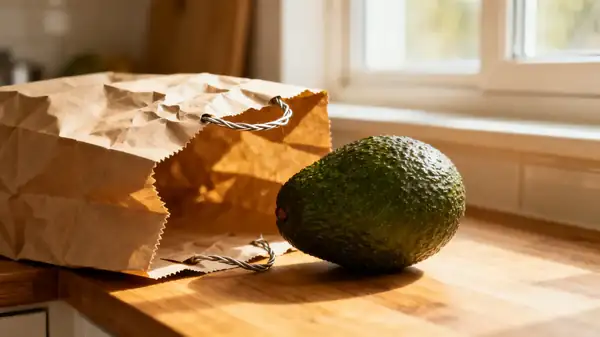
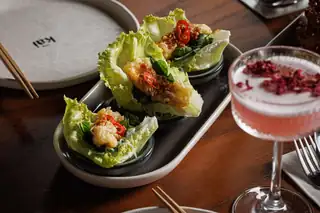
Every day they prepare or invent (for often the best cuisine arises from informed serendipity) a variety of dishes: avocado and prawn salad, (incredibly creamy) mushroom risotto, arangorri ceviche, or creamy chickpea and chili mixe soup, all of which they add to the tasting menu. We tried a seasonal staple, bonito ceviche, which transforms (with tomato, avocado, black sauce, and lemon) our prince of the tides into a flavorful, delicate, and magnificent bite.
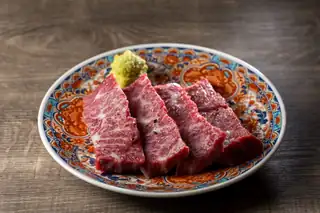
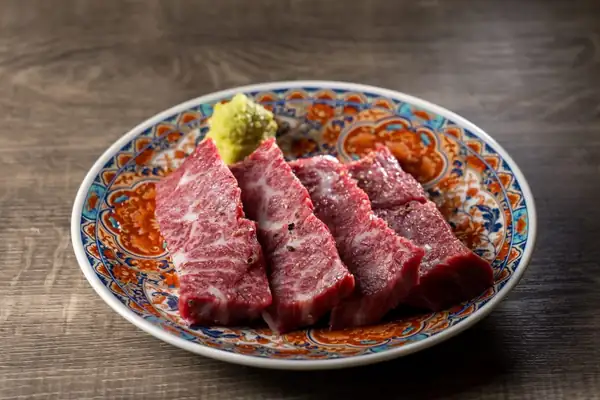
There was also a squid from the Bay with a black sauce that concealed Pelayo-style caramelized onions, hake cheeks with pil-pil sauce, and a top-notch grilled ribeye steak. Pure fusion: especially when Obrayan brought four sauces to the table: fermented habanero, árbol chili, macha sauce with chapulines (grasshoppers), and concentrated birria sauce. All easily recognizable dishes, but tweaked with the touch of good chefs, those who can skillfully combine flavors. The Lurka chocolate coulant with flambéed pistachio and raisilla mescal was addictive.
A fantastic wine list (with the support of Nico, Elkano's wise sommelier) divided into Light, Balanced, Punches, Hits, and Cucumbers. And an encyclopedia of mezcals.