Creatine: What it is, which foods are richest in it, and the truth about industrial supplements
Among the most popular supplements of the moment, beloved by athletes and fitness enthusiasts, creatine occupies a prominent place.
Not everyone knows, however, that it's not a "laboratory molecule," but a natural organic substance, spontaneously produced by our bodies and present in various foods we eat and consume regularly. Which foods are richest in it? What is our actual daily requirement, and when does it make sense to resort to supplementation? To clarify the issue and answer the many questions, we spoke with our trusted expert, biologist and nutritionist Simone Gabrielli.
What is creatine and what is it used for?
To understand the role of this substance, we need to look at how our muscles work. "Creatine is a natural organic substance composed of three amino acids (glycine, arginine, and methionine). Produced spontaneously by our body and over 95% of which is stored in skeletal muscle, it represents one of the fastest and most effective fuels available to our body," explains Dr. Gabrielli.
But how does it actually work throughout the day or during training? When we perform an explosive movement, like running up a flight of stairs, lifting a heavy suitcase, or sprinting to catch the bus, our muscles use their "fuel" (called ATP). The problem is that this fuel only lasts a few seconds, but that's exactly where creatine comes in, refilling the tank in record time and providing more strength, power, and less fatigue in the short term.
Creatine is therefore not an artificial substance or a molecule created in a laboratory: our body produces it naturally, and some can be obtained through diet. Numerous studies have shown that its supplementation not only improves muscle strength and effectively supports the maintenance and growth of muscle mass, but also supports cognitive function and brain activity.
Daily requirement and how to take it
Under normal conditions, an average adult with moderate physical activity consumes about 2 g of creatine per day: 1 g is produced directly by our body and 1 g is introduced through food, mainly meat and fish.
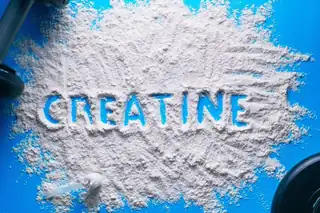
For daily vital functions and for those with a moderately active lifestyle, diet and internal production are more than sufficient. However, for athletes or those aiming to increase muscle mass, muscle stores benefit from a daily supplementation of 3-5 g (creatine monohydrate), an amount impossible to achieve through food alone without a disproportionate consumption of meat or fish.
The need for external support varies depending on the type of sport practiced: for endurance or moderate-intensity sports like running, cycling, or Pilates, creatine is not very useful, as in these activities the body uses primarily oxygen and fat as an energy source. However, it is ideal for activities that require short, explosive efforts like weightlifting, sprinting, soccer, rugby, and CrossFit: in these disciplines, it can improve performance under stress by 5 to 20% (the percentage varies depending on the individual).
Obviously, we're not talking about professional athletes: in that case, the team of doctors and nutritionists will evaluate the supplementation based on the training phase and needs.
A factor not to be underestimated is the method of food preparation. Cooking at high temperatures tends to "burn" the molecule: cooking meat for a long time or grilling it at high temperatures destroys up to half of the creatine present, turning it into useless waste (creatinine). To preserve its natural content, it is preferable to use gentler methods such as steaming, gentle boiling, or slow, low-temperature cooking.
Is it possible to experience a deficiency? This is extremely rare, as the body synthesizes it on its own in addition to absorbing it through food. However, there are some people who may have lower muscle stores, such as those following vegan or vegetarian diets or those who participate in high-intensity sports without the right supplements.
"By not consuming direct food sources, vegans and vegetarians' muscle phosphocreatine stores are physiologically lower (up to 20-30% lower) than omnivores. For this reason, they often show even more marked performance and cognitive improvements when taking specific supplements," Gabrielli points out.
However, it is very difficult to detect a possible deficit: we can notice it during exercise if there is early fatigue (difficulty maintaining short, explosive efforts), a drop in maximum strength compared to one's standards, and reduced muscle growth or even a reduction in muscle mass, but these are symptoms that can also be attributable to other deficiencies.
Foods naturally rich in creatine
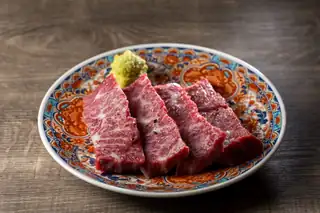
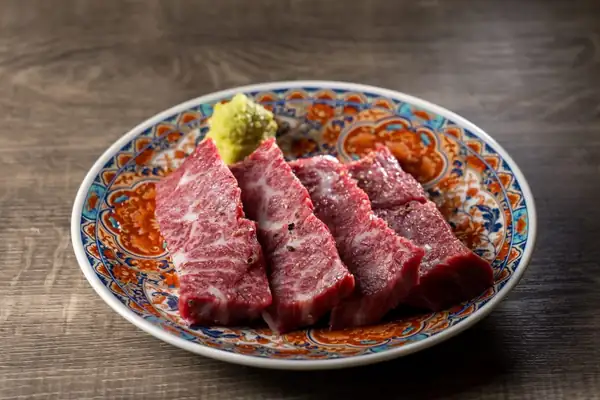
Creatine is found exclusively in animal-based foods, as it is stored in their muscle tissue. The main sources are meat and fish, while eggs, milk, and dairy products contain significantly lower amounts. Plant-based foods such as grains, legumes, fruits, and vegetables are completely free of it.
Below is an indicative table of the average creatine content present in the main foods (values expressed per 100 g of raw product):
- herring: approx. 0.6-1 g
- Pork: about 0.5 g
- salmon: about 0.45 g
- beef: about 0.45 g
- tuna: 0.40 g
- Chicken breast: about 0.34-0.40 g
- cod: approximately 0.30 g
- plaice: approximately 0.20 g
(Fonte: ResearchGate – Nutritional Supplements for Endurance Athletes)
Foods with added creatine: do they make sense?
In recent years, the fitness food market has seen a proliferation of functional products enriched with creatine, including snacks, sports drinks, and protein bars. But is it actually a worthwhile purchase?
Studies on the stability and bioavailability of the molecule highlight two main critical issues:
- Unstable in liquids; if creatine is dissolved in aqueous environments or in drinks with an acidic pH, it tends to rapidly degrade into creatinine—a substance lacking the energy-producing properties of creatine—before it is even consumed. Consequently, ready-to-drink beverages claiming to have added creatine are mostly ineffective;
- Minimal dosage and high cost: Most fortified processed foods contain minimal doses of the active ingredient (often between 0.5-1 g per serving). These doses are completely insufficient to saturate muscle stores unless enormous quantities are consumed at a decidedly high cost.
"In line with the official position of the International Society of Sports Nutrition (ISSN), the use of creatine monohydrate powder, dissolved and consumed immediately, remains by far the most economical, safe, and effective solution compared to purchasing foods or drinks fortified by the food industry," Gabrielli specifies.
As already mentioned, the primary source of nutrients should always be nutrition: a varied and balanced diet provides not only creatine, but also high-biological-value proteins and micronutrients that are valuable for the proper functioning of the body.
On the other hand, creatine monohydrate, widely validated by scientific literature, has an excellent safety profile in healthy subjects, provided it is consumed correctly. Compared to food—which provides only a limited supply—the supplement makes it easier to achieve the doses recommended by studies to enhance performance and support muscle growth.