Turning Coffee Waste Into Syngas And Biochar, A Ecological Double Whammy
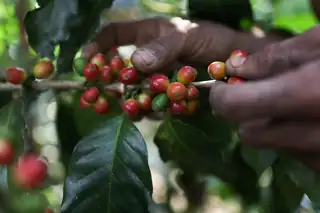
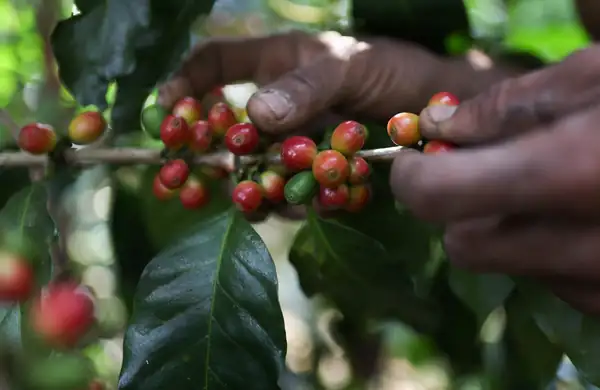
Coffee has become a favorite source for creating eco-friendly fuel alternatives. Normally this comes from spent coffee grounds, which get transformed into biochar.
But a new method has been developed that turns farm-level coffee waste into a multi-faceted energy solution while reducing carbon output in the process. As set out by Energies Media, the novel technology is the work of Poás Bioenergy and is already being implemented on coffee farms in Costa Rica.
It all starts with the raw material, coffee pulp as well as pineapple crowns; Costa Rica produces an reckoned 8.9 million metric tons of these types of waste annually. These byproducts are often left to decompose in open fields or dumpsites, where they “decompose uncontrollably” and release methane gas into the atmosphere.
Methane, the articles notes, “accelerates near-term climate impact,” trapping “approximately 28 to 80 times more heat than carbon dioxide.” Thus any uses for these waste products already has a positive environmental impact. For their new process, Poás takes coffee pulp and pineapple crowns and first removes any excess water.
They then are put into “an oxygen-limited gasification reactor” where the “organic matter is broken down with high heat without burning it.” This produces two beneficial products. The first is syngas, short for synthetic gas, which provides the holdings a clean thermal power alternative to fossil fuels. Using syngas instead of fossil fuels greatly reduces the holding’s carbon footprint.
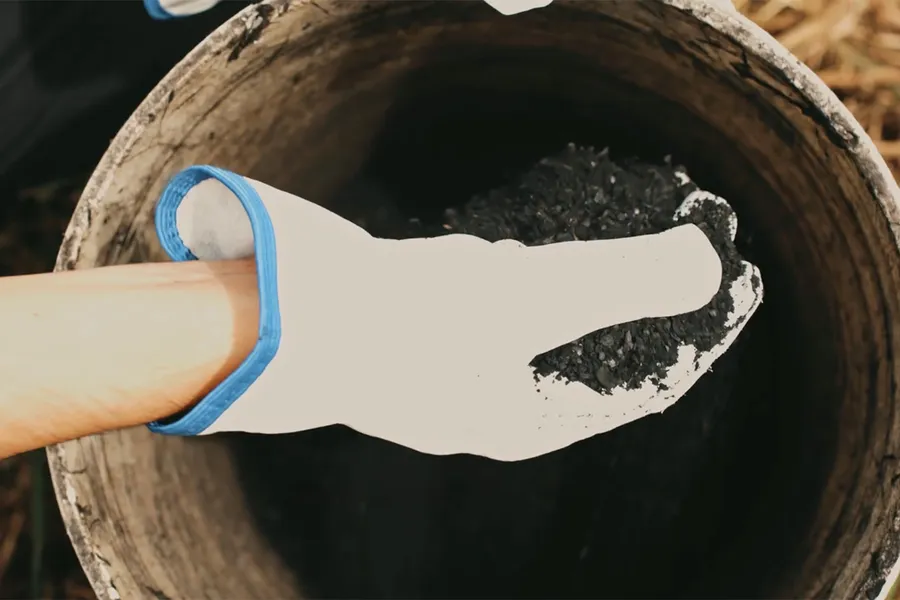
The other byproduct is carbon-rich biochar, which estates can amend their soil with to boost the health and available nutrients. The technology is deployed on-site at coffee holdings, meaning there is no outlay, financial or carbon, that would normally be associated with transporting them to a processing facility. They in addition provide a potential financial opportunity for the growers, who are now able to participate in carbon marketplaces.
Poás hopes to grow across farms in Latin America. More energy, less carbon, using a freely available resource that could double as a secondary takings stream.
It’s a real winfall (is that what that word means?).