Cassava, tips for preserving it and its use in the kitchen
Cassava, also known as yucca or manioc, is a tuber similar to the potato and widely used in Latin American cuisine.
Cassava, also known as manioc or mandioca, is the tuber obtained from the tropical shrubs of the same name.
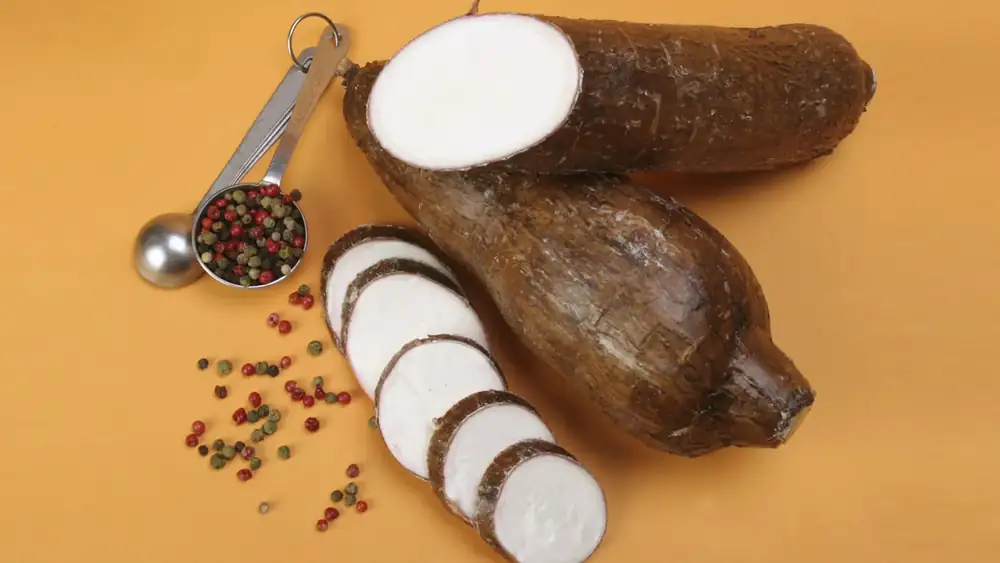
It has white flesh covered by a dark brown rind. Tapioca (starch) and flour, which, like the tuber itself, is also known as manioc or cassava flour, are obtained from the cassava.
Cassava originated in Brazil, where it was used almost exclusively by indigenous people. Some authors also mention Venezuela and Central America as its place of origin. What is certain is that its cultivation dates back to approximately 3000 or 2500 BC.
Tips for buying cassava:
When buying cassava at the market, it's important to check that the texture is intact, without bruises and firm to the touch, with no soft or slimy parts. Always choose the least damaged pieces, as this will ensure longer storage at home. Also, pay attention to the color and smell, rejecting any that give off a strong, unpleasant odor or have an abnormal color, as this may indicate some degree of spoilage or aging.
How to preserve cassava:
Once home, cassava should be consumed as soon as possible, as its nutritional value increases with freshness. If it is not consumed immediately, the tuber should be kept in the refrigerator until ready to use, since both high humidity and moderate temperatures quickly alter its structure and composition. Sometimes, to preserve it for longer periods, it can be frozen after being peeled and cut into pieces.
Uses of cassava in cooking:
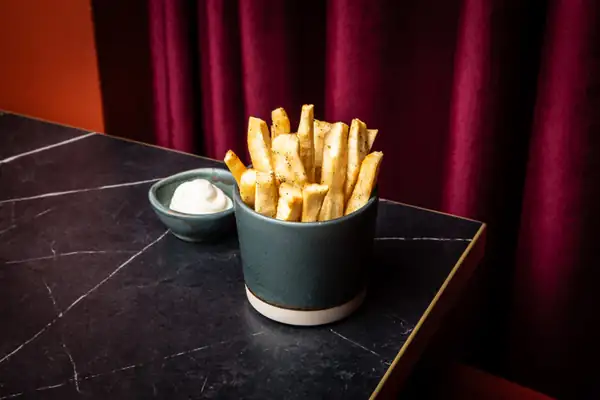
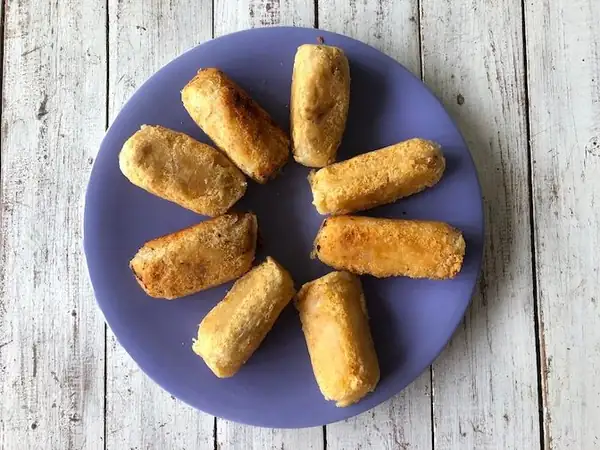
Cassava has a flavor similar to potatoes, so it is often consumed in the same way. It can be served fried, boiled, roasted, or stewed, although it is mainly used to obtain cassava flour and tapioca.
Cassava is one of the most important food sources in the tropics, where it is usually consumed peeled, boiled, and mashed. However, it is sometimes also prepared roasted, fried, or as a puree.
In addition, fermented cassava is used to make alcoholic beverages.