Pumpkin: benefits, taste and seeds!
Pumpkin is a vegetable that many people overlook, thinking of it as merely a garden ornament. But they're wrong. Pumpkin is delicious, affordable, and incredibly versatile. In the fall and winter, it belongs on our tables in soups, casseroles, salads, and even desserts.
And yes, pumpkin seeds are a separate story, which we will definitely talk about as well.
Why is pumpkin disliked?
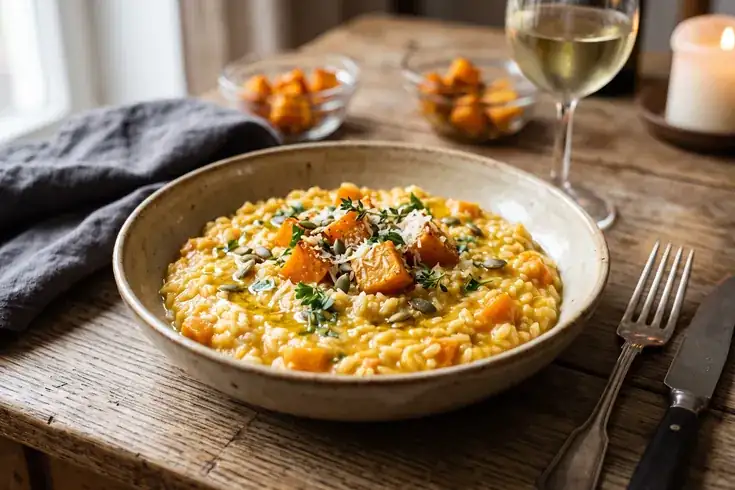
Many people know pumpkins from foreign films: they're carved into Jack-o'-lanterns, placed on porches with a candle, and used as fall decor. This gives rise to the feeling that they're something distant and inedible. In fact, pumpkins are eaten all over the world: in Italy, they're used to make risotto and ravioli, in Mexico, sweet desserts with cinnamon, in Japan, tempura, and in the Middle East, they're stewed with chickpeas and spices. They're a real vegetable, not just a decoration.
Many people think of pumpkin as something from a restaurant menu: sophisticated, expensive, and obscure. In reality, it's a simple, affordable vegetable that's easy to prepare.
Pumpkin itself doesn't really have a strong flavor. But it absorbs the aromas of spices, herbs, and sauces beautifully. It's like a blank canvas: whatever you cook it with, that's what you get.
What's good about pumpkin?
Pumpkin is a simple vegetable with a very good nutritional profile. It contains beta-carotene, vitamin C, potassium, fiber, and pectin.
Pumpkin is easily digestible and gentle on the stomach, making it suitable for both children and the elderly. A baked pumpkin slice or a warm creamy soup are a simple and comforting everyday option.
And it's important: pumpkin is not a cure. It doesn't cure diseases, it doesn't "cleanse" the body, and it doesn't replace vitamins from the pharmacy. It's simply a good, healthy vegetable that should be included in your diet.
Myth 1: Pumpkin "cleanses the liver"
This is not true. The liver is a self-cleansing organ. No food can "cleanse" it, and pumpkin is no exception. It's simply good as part of a varied diet.
Myth 2: Pumpkin helps you lose weight
Half-truth. Pumpkin itself is low in calories—about 25 kcal per 100 g. But if you cook it with cream, sugar, and butter, the calorie content increases significantly. Pumpkin is beneficial only if it fits into an overall healthy diet.
Myth 3: Pumpkin is a champion of vitamin A
Half-truth. It does contain a lot of beta-carotene. But to ensure proper absorption, pumpkin is best eaten with a little fat: butter, sour cream, or nuts. Simply boiled, fat-free pumpkin will provide far fewer benefits.
Myth 4: There are few pumpkin recipes
On the contrary, there are a huge number of them. Pumpkin is used to make soups, salads, casseroles, stews, pastas, pies, breads, smoothies, and even lattes. The list of dishes is vast—if you're willing to try them all, you'll have to.
Pumpkin seeds
Sunflower seeds are a concentrated source of nutrition in a tiny shell. They're rich in zinc, magnesium, healthy fats, and protein.
Raw seeds retain more vitamin E and healthy fats. Roasted seeds are tastier and more aromatic, but some nutrients are lost during heating. Choose according to your taste.
A slight bitterness in pumpkin seeds is a characteristic flavor characteristic. However, a sharp bitterness and a rancid smell indicate that the seeds have gone bad. These should not be eaten.
And importantly: sunflower seeds are not a medicine, but a tasty and nutritious food. They don't replace pharmaceutical products and don't "eliminate parasites." If you suspect something serious, it's best to consult a doctor, and simply enjoy sunflower seeds for your own enjoyment.
How to choose and store pumpkin?
A good pumpkin is firm and heavy for its size, with a smooth, dent-free skin and a dull sound when tapped. The stem of such a pumpkin should be dry and firm—a sign of ripeness.
A whole pumpkin will keep well in a cool, dry place for several months—it's one of the easiest vegetables to store. Cut pumpkins are best refrigerated, wrapped in plastic, and cooked within 3-5 days.
Frozen pumpkin has a long shelf life and is convenient to store in the freezer, cut into pieces for use as needed. Many people are surprised, but frozen pumpkin is often just as good as fresh, especially when used in creamy soups and casseroles.
Pumpkin in the kitchen
Pumpkin has a huge culinary advantage: it pairs well with almost everything. Creamy soup, baked pumpkin wedges, warm pumpkin and feta salad, pumpkin casserole, pumpkin pie, pumpkin pilaf—these are just a few recipes.
It also pairs beautifully with rosemary and sage, cinnamon and nutmeg, cheeses and honey, apples and garlic.
Try roasting pumpkin in large chunks—it caramelizes, becoming sweet and aromatic. The flavor develops much better than boiling.
Pumpkin seeds are a standalone ingredient. They're added to salads, sprinkled on soups, baked goods, or simply eaten as a snack.
Pumpkin is not for everyone
Like any product, pumpkin is not suitable for everyone.
Pumpkin allergies are rare, but they do occur. At the first sign of an allergy, eliminate the vegetable from your diet.
If you have stomach, pancreatic, or gallbladder problems, avoid raw pumpkin and its seeds. Cooked pumpkin is generally well-tolerated, but during periods of acute illness, it's best to discuss the amount with your doctor.
Pumpkin is one of the first foods babies can introduce—it's soft, sweet, and easily digestible. But follow the rules: gradually, in small portions, monitoring their reaction.
What's the bottom line?
Pumpkin is an underrated vegetable that deserves a place on our tables. It's good for your gut, heart, and eyesight, suitable for both children and the elderly, inexpensive, and keeps for months.
Pumpkin seeds are a treasure in their own right. A handful a day is a simple and enjoyable habit.
And myths about "liver cleanses" and parasites are best left in the past. Pumpkin is simply a versatile vegetable. And that's enough.
Pumpkin is easy to prepare: you can bake it, boil it, or add it to salads and soups. The key is to experiment with spices and cooking methods.
Can you eat raw pumpkin?
Yes, but not all varieties are suitable. Young, thin-skinned pumpkins are used in salads: they are thinly sliced or grated. However, pumpkin is more often cooked—it tastes better this way and is easier to digest.
Is it true that pumpkin makes your skin turn yellow?
True, but only if you eat a lot of it and for a long time. Due to the high beta-carotene content, the skin may develop a slight orange tint. This is not dangerous and goes away on its own if you reduce the amount of pumpkin and carrots in your diet.
What to do with the seeds - throw them away or eat them?
A must-have! This is a valuable product. Rinse the seeds, dry them, and use them raw or lightly roasted. Store in a sealed jar in a cool place.
What can I substitute for pumpkin in this recipe?
In soups and purées, use sweet potatoes or carrots. In baked goods, use applesauce or bananas. In stews, use potatoes or celery root. Substitutions vary depending on the dish, but you can almost always find something suitable.
How much pumpkin can you eat per day?
There are no strict restrictions. A reasonable serving is 150-250 grams of cooked pumpkin per day. Eating large amounts daily can cause your skin to develop a yellowish tint. This isn't dangerous, but it's not aesthetically pleasing to everyone.