Puerto Rican Pasteles Recipe: An Easy Guide to Preparing Authentic Traditional Pasteles
What are Puerto Rican pastries and why are they so special?
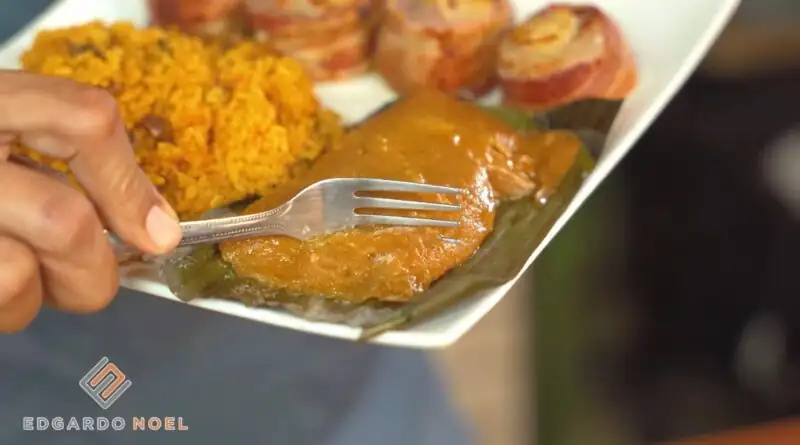
Puerto Rican pasteles are a culinary gem that represents the fusion of Caribbean flavors and traditions. These typical Puerto Rican delicacies are especially popular during Christmas celebrations, although they can be enjoyed year-round. Unlike other types of pasteles, Puerto Rican pasteles have a unique texture, the result of a dough made with roots and tubers such as yucca, green plantain, and pumpkin, which gives them an unparalleled flavor and consistency.
Its preparation is a handcrafted process that demands time and dedication, but the result is worth every effort. Furthermore, its filling, which can vary between pork, chicken, or even a vegetarian option, is full of spices and authentic flavors that make each bite an unforgettable experience.
In this article, we offer you a complete and easy guide so you can prepare these delicious cakes at home, following clear steps and practical tips that will help you achieve an authentic and delicious result.
Essential ingredients for preparing traditional cakes
Before you begin, it's essential to have the right ingredients to achieve the characteristic texture and flavor. The dough base is made from tubers and roots, while the filling is a flavorful and aromatic mixture. Here's what you'll need:
- Peeled and grated cassava
- Grated green plantain
- Grated pumpkin
These ingredients are the pillars for achieving a cake with the traditional flavor that characterizes this beloved recipe in Puerto Rico.
Preparing the dough: step by step for a perfect result
The dough is the most important and delicate part of making Puerto Rican pasteles. Its texture should be soft yet firm, and its flavor should be well-balanced. To achieve this, follow these steps carefully:
First, peel and grate the cassava, green plantain, and pumpkin. It's important that all these ingredients are finely grated so the dough has a smooth consistency. Then, in a large bowl, mix these grated tubers and gradually add the chicken or beef broth, moistening the mixture without making it too runny.
Next, stir in the annatto to give it a characteristic orange-yellow color and a subtle flavor. Add a little salt and pepper to taste. The mixture should have the consistency of a malleable dough that doesn't stick to your hands; if it's too dry, add a little more broth, if it's too wet, add a little more grated cassava.
To finish the batter, beat it briefly to make it airy and uniform. This step is key to ensuring the cakes don't become hard or fall apart during baking.
The filling: the soul of every cake
The filling is what gives the pasteles their character and flavor. Traditionally, it uses marinated pork cooked with a sofrito full of spices and fresh vegetables. Here's how to prepare a delicious and authentic filling:
Start by preparing a sofrito with chopped onion, garlic, bell peppers, and a little olive oil or lard. Cook these ingredients over medium heat until they are well browned and fragrant. Then, add the meat, which has been previously marinated with garlic, oregano, salt, pepper, and a touch of vinegar or sour orange juice, typical in Puerto Rican cuisine for its tangy and fresh flavor.
Let the meat cook slowly in the sofrito until tender and well infused with flavor. If you like, you can add olives, capers, and raisins for a special, traditional touch. The filling should be moist but not runny, so it doesn't make the pastry too soggy when assembling the pies.
Assembly and cooking: how to wrap and cook Puerto Rican pasteles
Once you have the dough and filling ready, it's time to assemble the pasteles. This process is a tradition that many Puerto Rican families enjoy doing together, as it is laborious but rewarding.
First, wash the banana leaves thoroughly and pass them over a flame to soften them and make them easier to handle. Cut the leaves into large rectangles, approximately 20×30 cm, which will be the wrapping for each cake.
Place a portion of dough on each sheet and flatten it with your hand into an even layer. Then, in the center, add a generous spoonful of the prepared filling. Cover the filling with another thin layer of dough to seal the pie well.
Finally, wrap the dough and filling in the banana leaf, forming a rectangular package. Tie each pastry with kitchen twine so they don't open during baking.
To cook the pastries, place the packets in a large pot of boiling water and let them cook for about an hour, or until the dough is firm and cooked through. It's important that the water completely covers the pastries during cooking so they cook evenly.
Tips for making perfect Puerto Rican cakes
If you want your cakes to have an authentic flavor and an impeccable texture, here are some tips that will be very useful:
- Use fresh or well-preserved banana leaves, as they add aroma and prevent the dough from sticking.
- Don't skimp on the marinade; the meat should be well seasoned so that the flavor permeates the entire pie.
- Grate the tubers well so that the dough has a uniform and smooth texture.
- Wrap the pastries tightly to prevent the filling from leaking out during baking.
- Be patient while cooking; slow and thorough cooking is key to getting the dough perfect.
Variations and accompaniments to enjoy your cakes
While the traditional recipe is delicious, there are several variations you can try to give this Puerto Rican dish your own personal twist. Some options include:
Use different types of meat, such as chicken, beef, or even seafood, for the filling. You can also prepare a vegetarian version with mushrooms, eggplant, and other seasoned vegetables. Another variation involves incorporating different spices or aromatic herbs to tailor the flavor to your liking.
As for side dishes, the pasteles are best enjoyed with rice and pigeon peas, a fresh salad, or a typical spicy sauce. A refreshing natural juice or a cold beer perfectly complements this culinary experience.
Where can I find the ingredients to prepare Puerto Rican cakes in Peru?
If you live in Peru and want to prepare this Caribbean delicacy, some ingredients may not be readily available in local markets. However, with a little searching, you'll be able to find most of them.
- Cassava and green plantain: in traditional markets or stores specializing in Latin American products.
- Banana leaves: in tropical food stores or in large vegetable sections.
- Annatto: available in spice shops or supermarkets with an international section.
- Marinade and spices: these can be prepared at home with basic ingredients such as garlic, oregano, pepper and cumin.
Furthermore, nowadays it is possible to buy many ingredients online, making it easier for those who want to experiment with international recipes.
The cultural value of preparing Puerto Rican pastries at home
Beyond the flavor, preparing these cakes is a way to connect with a tradition full of history and meaning. In Puerto Rico, making cakes is an activity that brings families together, especially during the holidays, fostering collaboration and sharing.
When you prepare this recipe in Peru, you not only enjoy an exquisite dish, but you also immerse yourself in a rich cultural experience that reflects the diversity and richness of Latin American cuisine. This fusion of cultures is precisely what enriches the cuisine and allows us to discover new and exciting flavors.
Practical conclusion for preparing your Puerto Rican pasteles at home
In short, preparing these pastries requires time, patience, and a love for traditional cooking. By following this detailed guide, you can create an authentic dish that will surprise your family and friends. Remember that the key lies in the quality of the ingredients, the care taken in preparing the dough and filling, and the technique for wrapping and baking the pastries.
Dare to prepare this Puerto Rican delicacy and enjoy a culinary journey without leaving your kitchen in Peru!