Can't stand the heat? These foods and drinks can also make you feel worse
Of course, this doesn't mean that you have to give up these foods all summer long, but it's worth considering when and how much you eat. On the hottest days, we're much better off with lighter dishes that don't burden digestion and don't unnecessarily increase the body's heat production.
Fatty, heavy dishes are not the best choices at this time.
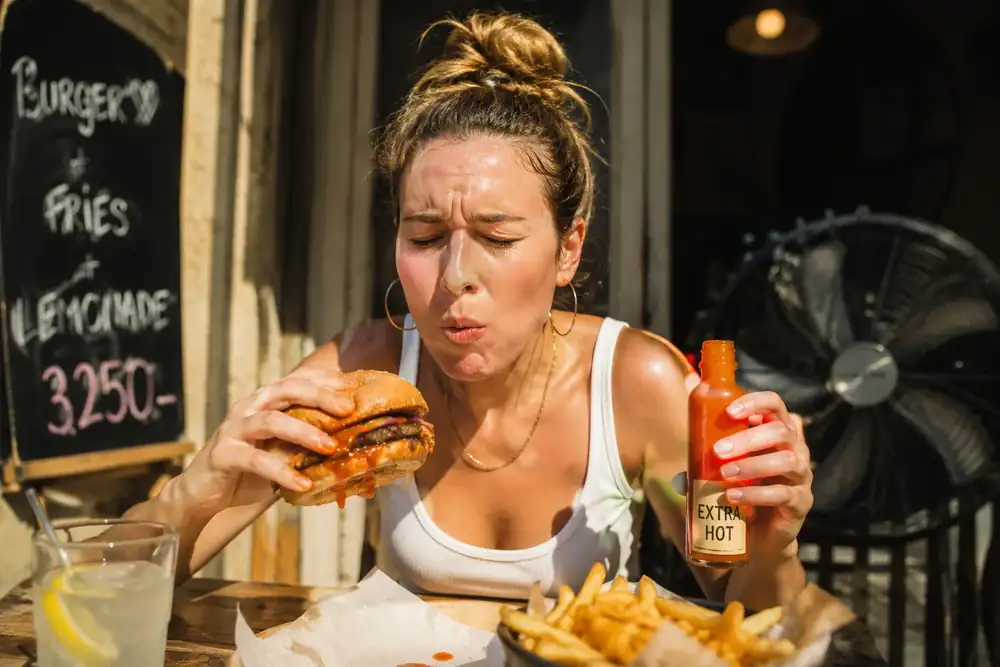
A fried meatloaf, a double hamburger with fries or a small knuckle of pork can be a real comfort food in winter, but in the heat of the day, the situation is completely different. Fatty foods take longer to break down, so the digestive system has to work harder. This process produces heat, which further increases the load on the body. It is no coincidence that after a hearty lunch in the summer we feel much more tired and lethargic. If meat is on the table, it is better to choose grilled chicken, turkey or fish with lots of vegetables.
Foods that are too spicy can make you sweat even more
We totally understand when you want to eat spicy foods and hot sauces, but they are not the best choices during the heat wave, as they increase sweating. Spicy food is of course not a problem, and sweating is the body's natural cooling mechanism, the problem is that with increased sweating we lose more fluids and electrolytes. If we don't replace this, we can easily develop mild dehydration, which can also cause headaches, fatigue and dizziness.
Be careful with very salty foods
Chips, salty snacks, salted nuts or highly processed meats can be high in sodium. Although we need salt, too much salt increases thirst and, without adequate fluid intake, can negatively affect the body's fluid balance. You don't have to completely banish these foods, but eating a whole bag of chips on the beach is not the best idea. Opt for vegetable chips instead, which you can make at home!
Sugary drinks don't hydrate you as much as many people think
An ice-cold soda can be a great first sip, but due to its high sugar content, it's not the best drink to have in the heat. Sugary drinks don't quench your thirst for long, and after a while you'll want to drink them again, so it's easy to overindulge. If you're craving something tastier than water, make some homemade lemonade!
Alcohol can increase fluid loss
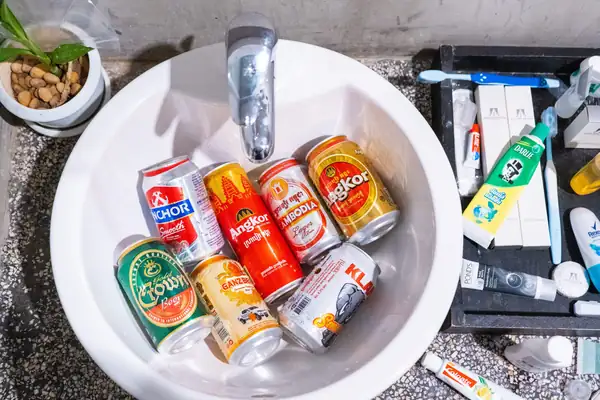
A cold beer, a glass of spritz or a cocktail are essential for summer garden parties and festivals, but it's worth knowing that alcohol increases fluid loss. This is especially a problem if you're out in the sun all day. In such cases, it's worth drinking at least the same amount of water with every alcoholic drink, but don't forget that too much of a good thing can be bad, and you can also choose from many non-alcoholic cocktails at SK!
Too much coffee is not always a good idea
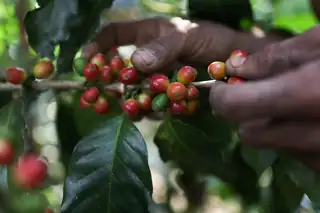
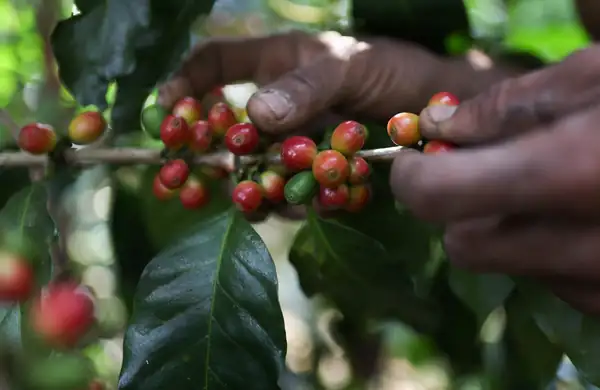
Most studies suggest that moderate coffee consumption does not cause significant dehydration, but it's still better to drink a little less in hot weather. More than two or three cups can increase heart palpitations in many people.
Be especially careful with perishable foods
Salads with mayonnaise, creamy cakes, desserts containing eggs and mushrooms, or meat dishes left out for hours without refrigeration can spoil much faster in the summer. Bacteria multiply extremely quickly in the heat, so only take properly cooled food to the beach, picnics, or long car trips.
Too large doses don't help either.
It's not just what we eat that matters, but how much we eat too. After a big meal, a significant portion of our body's energy is used up by digestion. This can leave many people feeling sleepy and lethargic, especially during the hottest hours of the day. It's a much better idea to eat smaller meals several times a day.
What should we eat in the heat?
When it's hot outside, your body usually craves lighter meals. It's worth listening to it! In such cases, the following foods may be a good choice:
- watermelon and cantaloupe,
- cucumber,
- tomato,
- salads,
- cold vegetable soups,
- natural yogurt,
- kefir,
- grilled fish,
- chicken breast,
- steamed or grilled vegetables,
- fresh fruits.
The goal is not to give up all your favorite dishes, but rather the timing is important. On the hottest days, it is worth building your diet around light, high-water content ingredients, while constantly replenishing fluids. This will not only make you feel better, but it can also reduce the risk of dehydration and heat exhaustion.