I haven't eaten beets for years. Now I've learned how to prepare them properly
For a long time, I gave beets a wide berth. I was primarily dissatisfied with their soft, watery flesh. Only roasting them showed me that they could bring out a completely different flavor and texture.
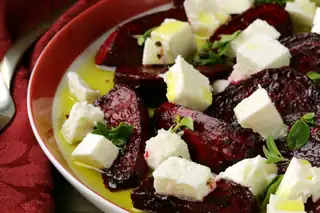
This doesn't mean that boiled beets are inherently inferior. Baking simply creates a different effect: the vegetables don't come into direct contact with water, and their flavor remains more concentrated. Combined with feta, olive oil, and a touch of honey, it creates a simple appetizer that I return to time and time again.
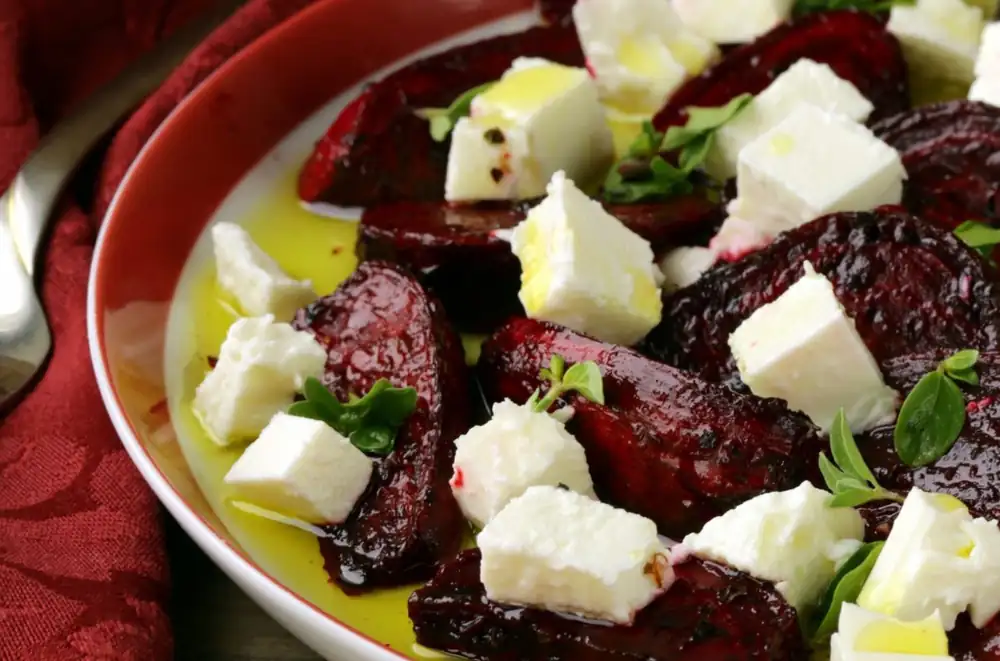
Baked beetroot with feta cheese – a restaurant-style recipe
Wash the beets thoroughly, but do not peel them. The skin is easiest to remove after roasting. You can wrap the vegetables individually in aluminum foil or arrange them in an ovenproof dish and cover. The second method is useful if you limit your use of disposable foil.
Place the beets in an oven preheated to approximately 190°C (350°F). Baking time depends primarily on their size, so instead of keeping track of the minutes, test for tenderness with the blade of a small knife. It should go in without much resistance.
After roasting, let the beets cool. The skin should then come off relatively easily. It's worth wearing gloves or using a paper towel, as the juice will stain your hands and countertop intensely.
Chop the beets into wedges, add crumbled feta cheese, olive oil, and a little honey. Finally, freshly ground pepper will do. Be careful with the salt, as the feta is already quite salty. You can add arugula, walnuts, or a few drops of balsamic vinegar.
My baked beetroot with feta doesn't require complicated ingredients. The key is to strike a balance between the sweetness of the beetroot and honey, the saltiness of the cheese, and the tartness of the topping.
How long to bake beets depending on size?
Small beets can be tender in about 40–50 minutes, medium-sized ones often take about an hour, and large ones take 80–90 minutes or more. However, these are approximate times.
How long to bake beets, depending on size? It's impossible to provide a precise timetable, as the variety, freshness of the vegetables, temperature, and oven settings also play a role. Therefore, after about 40 minutes, I simply start checking their softness.
If you're roasting several beets at once, choose similar-sized ones. You can remove the smaller ones first and leave the larger ones in the oven. There's no need to wait for them all to be ready at the same time.
Convection, however, doesn't guarantee that it will shorten baking time by exactly fifteen minutes every time. Ovens vary in power and heat distribution. The most reliable test is to check the beetroot with a knife.
It's a good idea to bake a few at once. Once cooled, transfer them to an airtight container and store them in the fridge. This way, you'll have a ready-made base for a salad, pasta, or quick dinner for the next few days.
What cheese is best served with baked beets?
Feta is one of the most obvious choices. Its salty, slightly tart flavor contrasts with the sweetness of the roasted beetroot. It crumbles well, so you can spread it across the entire plate without making any additional sauce.
And what cheese is best to serve roasted beets with when you're feeling a bit different? Fresh goat cheese works very well. It's creamy and vibrant, and softens slightly when warmed. Walnuts, arugula, and a honey-based dressing also go well with this combination.
For a stronger contrast, try a blue cheese, such as Gorgonzola. You don't need much, as its flavor is intense. In this version, honey or a ripe pear can soften the cheese's saltiness.
I wouldn't rule out ricotta, mozzarella, or labneh either. Each of these cheeses produces a different effect – ricotta is delicate, mozzarella is mild, and labneh brings a pleasant acidity.
There's no reason to completely avoid yellow cheeses. Feta or goat cheese are indeed better in a light salad, but beets can also be used in a casserole, where mature cheese would be perfectly appropriate.
How else can you use baked beets?
Roasted beets make a very convenient base for subsequent meals. One of the simplest ideas is beetroot hummus. Simply blend beets with cooked chickpeas, tahini, lemon juice, garlic, and olive oil. This creates an intensely pink spread for bread and vegetables.
Beetroot also works well in risotto and pasta. You can dice it or blend it into a purée and combine it with goat cheese or blue cheese. Walnuts or pumpkin seeds add a crunchy touch.
Another way to use roasted beets is as a quick sandwich spread. I blend them with thick yogurt or cottage cheese, a pinch of garlic, and lemon juice. Add some bread, dill, or arugula, and dinner is ready.
Roasted beets can also be a great accompaniment to meat and fish. They pair well with duck, but they're also perfect alongside roasted chicken or salmon. Acidic additions work well in this combination, such as citrus fruits, balsamic vinegar, or a mustard dressing.
Beetroot is even used in chocolate baked goods. A roasted vegetable purée can add moisture to brownies, but it's best to use a recipe developed with this ingredient in mind rather than simply adding arbitrary amounts of beetroot to a classic cake batter.
These days, I roast beets much more often than I cook them. The simplest combination of feta, honey, and olive oil is still one of my favorites, but simply changing the cheese or dressing can create a completely different dish.