What is Sumac Paste? How is it Made and Where is it Used?
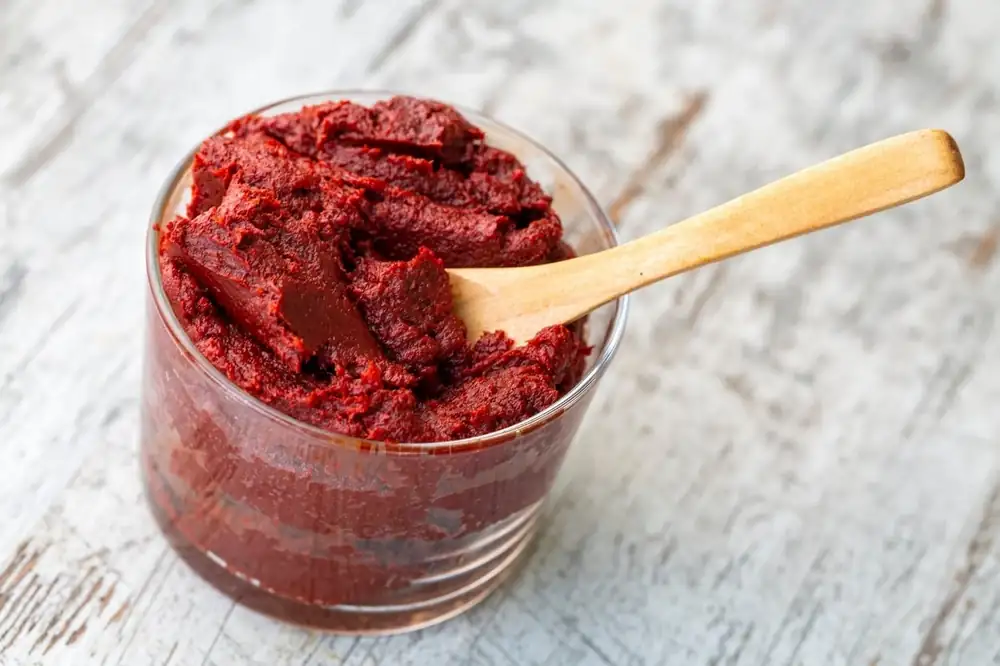
Sumac paste is a traditional product, particularly used in the cuisine of Southeastern Anatolia, prepared by combining sumac berries with water, straining the mixture, and concentrating the resulting sour liquid. Its color can vary from dark red to burgundy, and it is easily recognizable by its distinctive sourness.
Unlike tomato or pepper paste, sumac paste adds not only color and texture to dishes but also a strong sour aroma. Therefore, it can be used in small quantities, especially in meat dishes, stuffed vegetables, salads, soups, and regional recipes, to enhance the flavor of the food.
If you're wondering, "How is sumac paste made?", "Where is sumac paste used?", and "Are sumac paste and sumac sour sauce the same?", let's get to know this traditional ingredient in all its aspects. Let's begin...
Contents
- What is sumac paste?
- Sumac paste is a thick, sour-flavored product obtained from sumac berries. It is traditionally prepared, especially in Southeastern Anatolia and the Eastern Mediterranean region where sumac cultivation is widespread.
- Sumac berries are first mixed with water to allow their acidity to infuse into the water. Then, they are strained to separate them from the seeds and pulp. The resulting sumac water is concentrated by boiling or drying in the sun. This creates a thick sumac paste suitable for use in cooking.
- Don't let the word "paste" here lead you to tomato or pepper paste. The main characteristic of sumac paste is its intense sour aroma. It's used more to add sourness and character to dishes than to give them a red color.
- How to make sumac paste?
- Traditional sumac paste is made using ripe sumac berries. After cleaning the sumac berries, they are mixed with water and left to sit for a while. Then, the mixture is strained to obtain sumac water.
- The resulting liquid is poured into a large container and left to stand or boiled carefully until it thickens. As the water reduces, the aroma of the sumac water intensifies. After the thickened product cools, it is transferred to a clean jar.
- When preparing sumac water at home, one of the most important points is to proceed carefully, avoiding over-boiling and spoiling its aroma. The intensity and taste of the resulting product can also vary depending on the acidity of the sumac used.
- Where is sumac paste used?
Sumac paste, thanks to its distinct sour aroma, is especially used in meat and vegetable dishes. Because it has a very intense flavor, small amounts are usually sufficient to add to recipes.
- In meat dishes: It can be used to add a sour flavor to red meat and kebab marinades.
- In meatballs and kebabs: A small amount can be added to the meat mixture or the sauce of the cooked dish.
- In stuffed vegetables and wraps: It can add a sour taste to olive oil-based or meat-based stuffings.
- In salads: It can be used especially in sour salads such as onion salad, Gavurdağı salad, and similar dishes.
- In soups: It can add a distinct sour flavor to soups that are mainly made with lentils and legumes.
- In vegetable dishes: It can be used in recipes prepared with vegetables such as eggplant, zucchini, and peppers.
- In sauces: It can be used in tangy sauces served with meat and vegetables.
- In meze recipes: It can be used as a flavor enhancer, especially in mezes from Southeastern Anatolian cuisine.
When using sumac paste, it's a good idea to increase the amount gradually. This is because the sourness level of the product can vary depending on the type of sumac used and the preparation method.
- Are sumac paste and sumac sour sauce the same thing?
Although sumac paste and sumac sour sauce are prepared similarly, they should not be considered the same product. Both are based on the sour juice obtained from the sumac fruit, but sumac paste is prepared with a thicker consistency.
While sumac sourness has a more fluid consistency, sumac paste, with its thicker consistency, can be added to recipes like a sauce. Therefore, if sumac sourness is to be used instead of sumac paste in a recipe, the amount should be carefully controlled.
- How to store sumac paste?
- The best way to store sumac paste is in a clean, dry glass jar with a tightly closing lid. Using a clean, dry spoon to add the paste also helps preserve it during storage.
- Because the ingredients, preparation method, and hygiene conditions can vary in homemade products, it's better to store them in the refrigerator rather than leaving them at room temperature for extended periods. If mold, bad odor, discoloration, or changes in consistency are noticed in the product, it should not be consumed.
- What can be used instead of sumac paste?
- If a recipe doesn't include sumac paste, you can first look for alternatives that will add sourness to the dish. However, the alternative used will depend on the type of recipe.
- Sumac sourness is one of the closest alternatives due to its more fluid consistency. Lemon juice can also be used to add sourness, especially in salads, sauces, and meat dishes. Pomegranate molasses, however, will not produce the exact same result as sumac paste as it will give a different and slightly sweeter aroma.
- Therefore, if you want to preserve the character of the recipe, you can opt for sumac sourness, or if you're looking for a more practical alternative, you can choose lemon juice.
- Frequently Asked Questions
- Which region does sumac paste originate from?
Sumac paste is a traditional product particularly found in the cuisines of Southeastern Anatolia and the Eastern Mediterranean. Its usage may vary from region to region.
- Is sumac paste sour?
Yes. The most distinctive feature of sumac paste is its intense and sharp sour aroma. Therefore, it is usually used in small quantities in cooking.
- How to store sumac paste?
Sumac paste should be stored in a clean, dry glass jar, preferably in the refrigerator. Homemade products require special attention to storage conditions.
- In which dishes is sumac paste used?
It can be used in meat dishes, kebabs, meatballs, stuffed vegetables and wraps, salads, appetizers, and some vegetable dishes.