The belly of prosperity
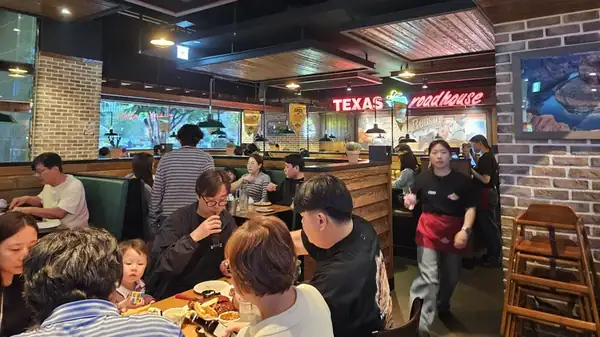
Here in Lima, the "taipa" plate, piled high with food, is still the norm, and most restaurants adhere to this. The second part of the rule dictates that the excess should be carbohydrates: rice, yucca, corn, sweet potato, potato, maybe beans.
It's not uncommon to find, in the gossip circles of Facebook—today a mix of a retirement community intertwined with proclamations and boasts from youngsters just starting out—the demand for the three Bs—"good," "abundant," and "cheap"—applied to restaurant recommendations, with the second being the most prominent. The other two are at your service.
I see it as a democratic habit, one that levels the playing field. Overeating is a showcase of one of the scourges of our time, but it spreads horizontally. It's sought after by the patrons of soup kitchens, claiming a status that speaks to them of economic and social progress; it's the banner of the new middle class, eager to forget what they lacked before while feeling secure in their new position; and if we pay attention to the cooks who are listless and allergic to questions that force them to seek answers (the kind that end up making you work, ugh, how tedious!), the new and old elites who frequent these dining halls, displaying brands and nonchalance, are the same as the less fortunate: the bigger the plate, the better. Eating a lot is considered fashionable; prosperity is displayed at the table.
And so we continue, about to reach a quarter of a century that was heralded as brighter than the Age of Enlightenment, though it turned out quite differently. The reality is that it carries with it the dark side of the catalog, mixing equal parts threats and realities we would have preferred to avoid. In return, it compensates by fostering the invaluable presence of chefs and reggaeton artists acting as intellectual beacons. At least something has changed: the new gurus know how to eat and have fun, even if very few of us can do so in the same places as them. What the hell, the past was always worse.
The fact is that Latin America is peeking into modernity, or whatever this is, trying to eat like never before, in torrents. I just experienced it in Chile, where precariousness is the endemic plague of a country most of us thought was prosperous. It's not new. I experienced it some time ago, working on a project that took me for three years to the chimbas, the shantytowns of poverty that define the limits of Antofagasta—the interior wasn't much better, but by comparison, it was relatively well-off—revealing a landscape marked by poverty and obesity, paired to create an endemic profile. The most worrying of all is that of children who look like corks, fattened up by sugary drinks and bags full of appetite stimulants. Obesity is now the showcase of poverty and malnutrition, which are the flip side of the same tragedy.
In contrast to the image of progress and modernity, Chilean cuisine—the mainstream cuisine, the one enjoyed by the everyday public who would never afford a 100,000-peso meal (a 1,000-peso bill, about a dollar)—reveals the reality of the completo—a hot dog—elevated to the status of a universal dish. It's piled high with everything imaginable between the sausage and your mouth, a sandwich weighing a kilo and a half and a foot high, smothered with half a jar of store-bought mayonnaise and piled high with cheese. And then there's the perverse relationship it maintains with the "agrego," the local version of the mixed plate: grilled fish or meat, plus rice, French fries, maybe sautéed vegetables, and who knows, perhaps even a salad. Why cook if two-thirds of the meal comes pre-packaged or we've had it ready since yesterday?
I encountered a different reality fourteen years ago, when I began to experience Andean identity, which in Peru encompasses both the jungle and the coast (Peru is the Andes, bring vegetation and sleepyheads, or rocks battered by saltwater). I visited farmers in many parts of the country, and almost all of them had things in common: they were wiry, lean, and wiry; they had no younger generation to follow in their footsteps—their children had sought other lives in the city—they were living the last days of subsistence farming, and they ate what they produced. If it was potatoes, they ate them for breakfast with broth, for lunch boiled with sauces like uchucuta, and for dinner in a porridge with sugar. On their mother's birthday, they cooked a guinea pig. Over the years, they changed.
I've run into them again. Now they go down to the city, where they sell potatoes to buy noodles, rice, and cans of tuna. And on each trip, they take a table in restaurants ruled by chicken broth—a quarter of a chicken, three potatoes, and two boiled eggs in a bucket of broth—eating more than they ever have before, and bellies have appeared in their lives. They take care of them: they see them as a symbol of well-being and prosperity.
They'd never needed so much food on one plate before, but it's a matter of status: they can afford it, and it's time to do it. To show everyone, starting with themselves, that times of plenty have arrived. It's neither new nor unique. I experienced it (eating far more than you need and turning excess food into a vital statement) in Spain during the eighties and nineties, even at the beginning of the century. One day, in Asturias, I ended up eating fabada in a cider house across from the María Luisa mine. The tureen was so big that after two bowls, we'd barely finished. We took a deep breath, gathered our strength, and vowed to devour the third. The owner took the pot away amidst curses and jeers… before returning with another of the same size, overflowing with monkfish and potatoes. Not even the obvious bellies surrounding us and the belts tightened below our stomachs justified the eating capacity of our tablemates. I felt like a zebu pregnant with conjoined twins: there were more things moving inside than were appropriate.
Those people weren't eating out of hunger either, although stomach distension always helps. In this game of appearances we've woven around the kitchen, food is more than a vital necessity or a source of pleasure: it's a display of status.
We eat a lot to prove, to prove to ourselves, that we can afford it. We can do it, and we need others to see it—the more, the better. Perhaps that's why we seek out large restaurants where the number of witnesses multiplies. The feat is no longer so much eating as being seen eating. Instagram helps with that, acting as an echo chamber. In one way or another, food is a toy that helps us feel important.