The panettone revolution
It's striking how this traditional Italian sweet is becoming a must-have at this time of year, perhaps because of how easily we embrace foreign traditions and customs that arrive in our country and take root.
Milan is the panettone capital of the world, but this Christmas sweet bread is also incredibly popular in Barcelona and Madrid. Barcelona has arguably achieved the greatest popularity. In fact, one of the most prestigious competitions is the one held annually by the Barcelona Pastry Guild, with two categories: classic (with fruit) and with chocolate.
In the first category, this year's winner was Toni Vera at Pastisseria Mervier Canal in Barcelona (€40 per unit). The best chocolate panettone was awarded to Felipe Santa Cruz of Madeleine by Ferrieres pastry shop, also in Barcelona (€35 for a 750g panettone).
The Catalan capital also hosts what has been declared the world's best panettone, according to the renowned competition held in Italy. This year's award went to Tonatiuh Cortés, a Mexican baker who makes it at Suca'l. This highly sought-after pastry sells for 45 euros (available online and in their shops).
A laborious job
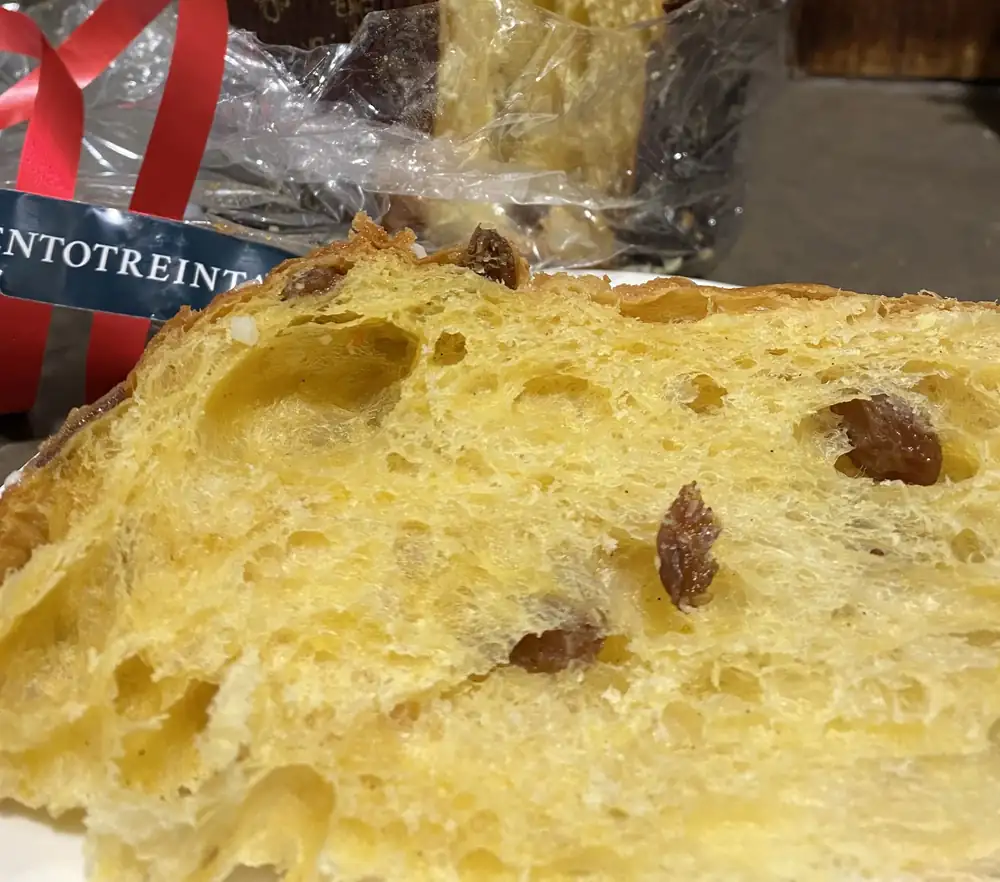
What is it about this giant cake that everyone loves? Well, it's not easy to make. It's a cylindrical sponge cake made with sourdough starter, flour, butter, eggs, orange and/or lemon zest, and fruit (raisins, candied fruit). Once it has risen and been baked, it's pierced with two skewers and hung upside down for eight hours before cooling, so it doesn't lose volume. The key isn't just the delicious flavor, but also the fact that the cake is light, airy, and delicate.
It must ferment well, slowly, to acquire the proper flavor and consistency. This is a laborious process that requires knowledge and good ingredients. That's why good quality products aren't cheap, because the packaging—the presentation in beautifully decorated cans and boxes—is an essential extra.
In addition to the traditional ones, chocolate panettone is made, with liqueurs, marron glacé, coffee and other ingredients; a sweet treat for breakfasts and afternoon snacks during these holidays.
Our favorites
There are many panettone options to choose from, of course those made by master pastry chefs like Paco Torreblanca—a pioneer in Spain—Oriol Balaguer, Jordi Roca—all of whom sell online—or Ricardo Vélez of Moulin Chocolat in Madrid. But there are also excellent ones in bakeries and gourmet shops. Among them is the panettone from Casa Losito, which they sell in five varieties—the three-chocolate one is especially delicious—priced between €20 and €24 (depending on size). Or the one from Pastelerías Mallorca in Madrid, which this season is offering a cappuccino version (with coffee and caramelized chocolate), in addition to the traditional fruit and chocolate varieties. All of these range from €22.50 to €40.
Pan y Cacao's half-kilo panettone, also available in the capital, costs 17 euros. It's a light sweet bread covered in a crunchy chocolate and hazelnut pastry (with cocoa inside), and they also offer a classic version with fruit.
Also highly recommended is the one from Madrid's Cientotreintagrados, where the Miragoli brothers pay homage to their origins. Top-quality ingredients, double fermentation, and a light and airy dough make their traditional or chocolate versions very popular (both €35, 750g).
At Bibì e Bibó (several shops in Madrid), their Italian character shines through, not only in their magnificent ice creams, but also in the panettone, a must-have at this time of year. Light and fluffy, it's available with candied fruit and raisins, or with chocolate chips and filling (€22, 750g). They even offer it in a frozen variety: the creamy panettone gelato with mascarpone.
The Italian pastry shop Loison has created a special Izadittone for the Rioja winery Izadi: a delicious cake with pomace cream (made from the winery's own grapes) and chocolate, available in various shops and online (€32.90). From Frómista (Palencia) comes Salazar's offering, which follows a family recipe from the early 19th century (the pastry shop's origin). Smooth, flavorful, and very citrusy, it takes three days to prepare (available online for €17.50 and €25.50, two sizes).
Other panettone brands with their own names include those selected each year by Negrini, available in several stores: a traditional panettone with a 72-hour fermentation time (€19.75), and the one created by Raúl Asencio, champion of creative panettone, for Petra Mora, which takes four days to make (from €23.40). Not forgetting the Italian varieties offered at the specialized Alimentari Marco in the Barceló Market, which features several high-end pastries (between €45 and €49, weighing one kilo).