The power of the phantom guest in wine tourism
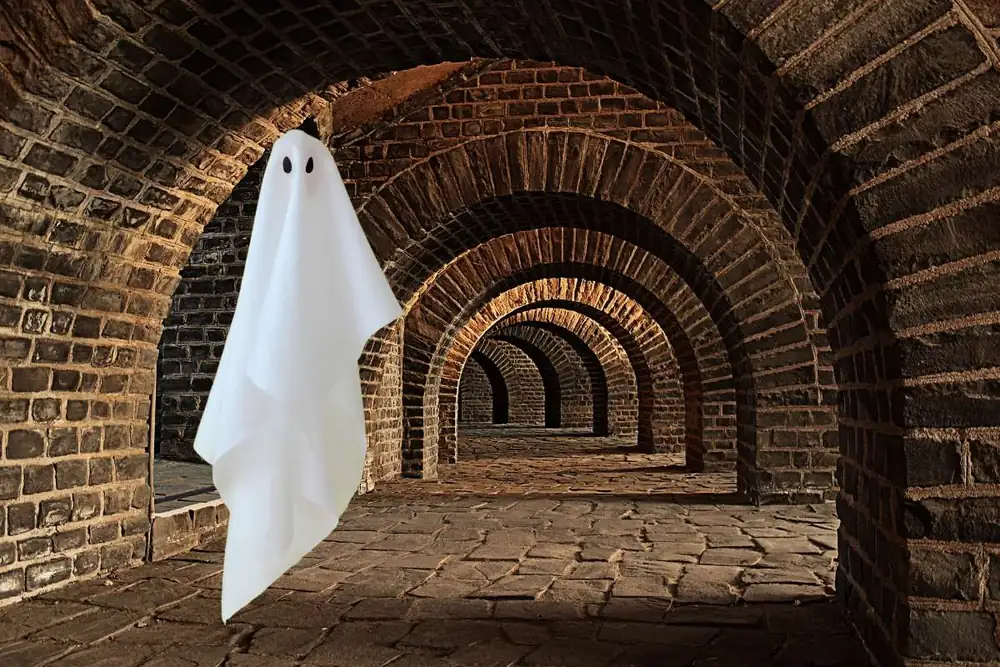
In the evolution of wine tourism, the phantom guest has proven to be an invaluable tool. In the context of our consulting work with companies, we have discovered how crucial it is to observe real interactions between guests and staff to truly understand the effectiveness of the hospitality offered.
This method is not aimed at criticizing, but rather at providing constructive feedback that catalyzes growth and optimization of strengths.
Through the latest ghost experiences conducted in various wineries, we have identified two critical issues that, if not addressed, can become real barriers to excellence.
- The first problem lies in the ability to listen: too many sales staff lack the necessary sensitivity to grasp the unexpressed needs of visitors, merely following a predetermined script without really “hearing” the guest. This behavior risks turning a potentially memorable visit into a flat and impersonal experience.
- The second critical point emerges in the most delicate moment of the wine tourism journey: c losing the sale. Despite impeccable hospitality and nearly perfect management of the experience, some hospitality managers show a certain reluctance to finalize the sale, losing effectiveness precisely at the crucial moment. The transition to the wine shop thus becomes a sore point that can undermine all the work done previously. With this in mind, it is clear that the approach of the phantom guest is not just an evaluative exercise, but a true strategic transformation tool. Every piece of feedback collected becomes an opportunity for improvement, suggesting practical changes and innovative approaches that can truly make a difference.
In the upcoming episodes of our focus on wine tourism, we will reveal the behind-the-scenes of some of these ghost visits. Stay with us to discover how even the most invisible of guests can leave the deepest impression.