Ropa Vieja Recipe: Essential Ingredients for Preparing the Traditional Cuban Dish
Discover the essential ingredients to prepare authentic Cuban ropa vieja
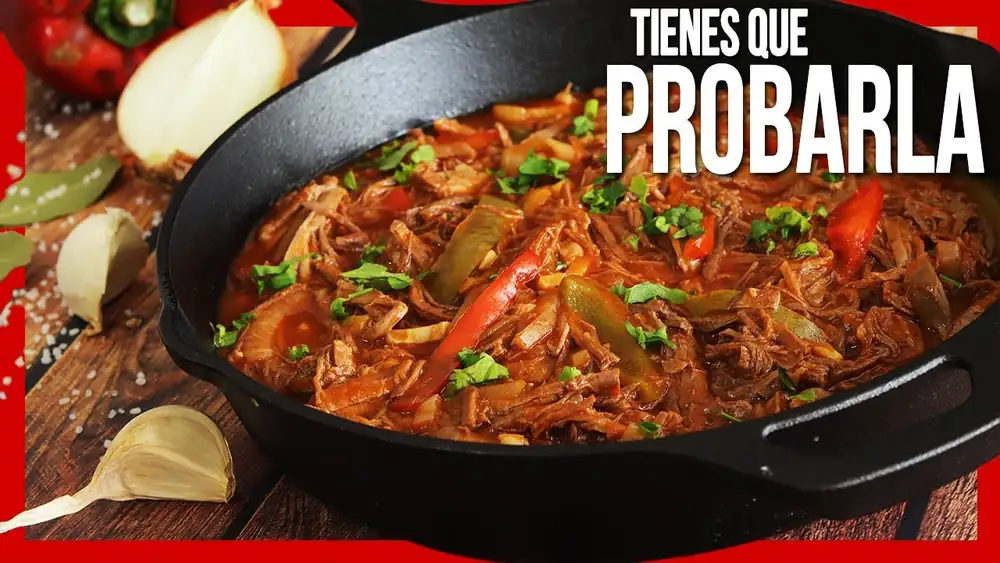
Ropa vieja is one of the most emblematic and traditional dishes of Cuban cuisine, renowned for its intense flavor and unique texture. Although this recipe has well-defined roots in Cuba, its popularity has transcended borders, reaching countries like Peru, where food lovers seek to replicate this delicacy in their own homes.
To prepare ropa vieja that respects tradition and preserves its original flavor, it's essential to know the key ingredients that give this dish its identity. It's not simply about cooking shredded meat with sauce; it's the precise combination of certain elements that makes this recipe special and recognizable.
In this comprehensive guide, we'll introduce you to the essential components for making authentic Cuban ropa vieja, along with tips for finding the best products in Peru and some advice on enhancing its flavor.
Essential ingredients for a traditional ropa vieja
The base of this dish is beef, preferably cuts that shred easily after a long, gentle cooking time. In Cuba, beef brisket or flank steak are commonly used, but in Peru you can find similar cuts like skirt steak or short ribs, which work perfectly for this recipe.
Beyond the meat, the ingredients that give ropa vieja its unique character include:
- White onion and peppers: These vegetables add freshness and color, as well as a sweet flavor that balances the acidity of the sauce.
- Crushed tomato or natural tomato sauce: It is the liquid base that unites all the flavors, adding body and depth to the stew.
- Fresh garlic: Essential for intensifying aroma and flavor, an essential ingredient in Caribbean cuisine.
- Cumin and oregano: These spices provide that earthy and aromatic touch that characterizes ropa vieja.
- Bay leaf: A bay leaf during cooking adds a subtle flavor that enriches the dish.
- Vinegar or lemon juice: Helps balance the flavors and gives an acidic touch that refreshes the palate.
- Meat broth: It is the base liquid for cooking the meat and enhancing its flavor.
In addition to these main ingredients, some variations include green olives, capers, and a touch of sugar to round out the sauce, although this will depend on personal taste and the region where it is prepared.
How to select the best ingredients in Peru for your ropa vieja
In Peru, the diverse cuisine and high-quality ingredients are a great asset for those who want to prepare international dishes with fresh, authentic ingredients. For ropa vieja, it's essential to choose good-quality meat, preferably of local origin, as Peruvian beef has an ideal flavor and texture for long, slow cooking.
Beef brisket is an economical cut and perfect for this recipe. You can find it at traditional markets or supermarkets, where you'll also find fresh white onions, red or green bell peppers, and ripe tomatoes. As for spices, stores specializing in imported products or supermarkets with an international section usually carry cumin, oregano, and bay leaves.
An important tip is to select firm, ripe tomatoes for blending at home, which ensures a more natural and flavorful salsa. In Peru, coastal tomatoes are ideal for this purpose.
The preparation process: step by step for a delicious ropa vieja
Preparing Cuban ropa vieja isn't just about gathering the ingredients; it's also about following a careful process that allows each flavor to meld and the meat to become tender and juicy. Here's how to do it.
First, you need to cook the meat. To do this, place the beef brisket in a pot with beef broth, a bay leaf, salt, and pepper to taste. Cook over medium-low heat for approximately two hours, or until the meat is tender enough to shred. Slow cooking is key to achieving the perfect texture.
Meanwhile, take the opportunity to prepare the sauce. In a large skillet, heat a little oil and sauté the minced garlic until golden and fragrant. Add the sliced onion and thinly sliced bell peppers. Cook until the vegetables are soft and slightly caramelized.
Next, stir in the crushed tomatoes or natural tomato sauce, along with the cumin, oregano, and a pinch of sugar if desired. Let the mixture simmer gently so the flavors meld and the sauce thickens slightly.
Once the meat is cooked, remove it from the broth and let it cool enough to handle. Shred the meat using two forks or your hands, making sure it's in thin, even strips.
Finally, add the shredded meat to the pan with the sauce and mix well. Add a splash of vinegar or lemon juice for a tangy and refreshing touch. Cook everything together for about 10 to 15 minutes so the ropa vieja absorbs all the flavors.
Serve this traditional dish with white rice, black beans, or fried plantains, just like they do in Cuba. A complete and delicious culinary experience!
Variations and tips to enhance the flavor at home
While the original recipe is quite simple, there are certain variations you can implement to give it a personal touch and adapt it to the ingredients available in Peru or to your taste preferences.
For example, adding some red bell pepper along with the green can provide a contrasting color and a sweeter flavor. You can also include chopped green olives or capers for a salty and tangy touch that complements the sauce very well.
Another important tip is to let the ropa vieja rest for a few hours or even overnight in the refrigerator. This allows the flavors to meld better and makes the dish even tastier when served.
For those who like a more intense flavor, adding a little Worcestershire sauce or soy sauce can give depth to the preparation, although these ingredients are not part of the traditional Cuban recipe.
The importance of the presentation and typical accompaniments
Ropa vieja is not only known for its flavor, but also for the way it's served. In Cuba, it's common to accompany it with white rice and black beans, a duo that perfectly balances the intensity of the meat and the acidity of the sauce.
Furthermore, fried ripe plantains provide a sweet contrast that complements the dish and makes it a complete culinary experience. In Peru, you can find ripe plantains in markets and specialty stores, ideal for replicating this combination.
If you want to innovate, a fresh tomato and onion salad with a touch of lemon can bring freshness and lightness to the dish, making the meal more balanced and nutritious.
Nutritional benefits of the main ingredients
Ropa vieja, besides being a delicious dish, offers a good amount of nutrients thanks to its essential ingredients. Beef is an excellent source of high-quality protein, iron, and B vitamins, which are fundamental for muscle development and energy production.
Vegetables such as onions and peppers provide fiber, antioxidants, and vitamins, especially vitamin C, which help strengthen the immune system and improve digestion.
Tomatoes, rich in lycopene, are powerful antioxidants that help protect cells from oxidative damage. Therefore, this dish not only satisfies the palate but is also a nutritious and balanced option for any time of day.
Final tips for achieving perfect ropa vieja in your kitchen
To ensure success in preparing this recipe, it is important to be patient while cooking the meat, as the right time and temperature are essential for the skirt steak to be tender and easy to shred.
Also, don't skimp on the use of spices and fresh vegetables, as these are what bring out the magic in the final flavor. Remember that the quality of the ingredients will always make the difference.
Finally, don't forget to taste the sauce and adjust the seasoning to your liking, adding a little more salt, vinegar, or sugar if needed. Ropa vieja is a versatile dish that allows for small adjustments to suit different palates without losing its essence.