The Tell-Tale Signs You Need To Throw Out Your Ground Coffee
Many coffee lovers would rather run out of staples like bread or milk first than face a morning without coffee. After all, the smell of freshly brewed coffee and the anticipation of a hot cup of caffeine boost can make getting out of bed easier.
Ground coffee doesn't go bad in the sense that it will make you sick, but it will lose much of its flavor and aroma as it ages. Therefore, the best-by date on the package is actually concerning quality, not if it's safe to drink. Ground coffee should retain its quality for three to five months at room temperature or one to two years in the freezer, but it will be at its absolute best for one to three weeks after the bag is opened.
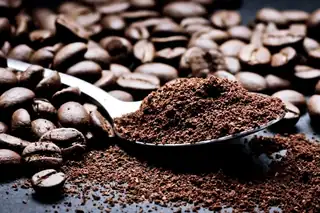
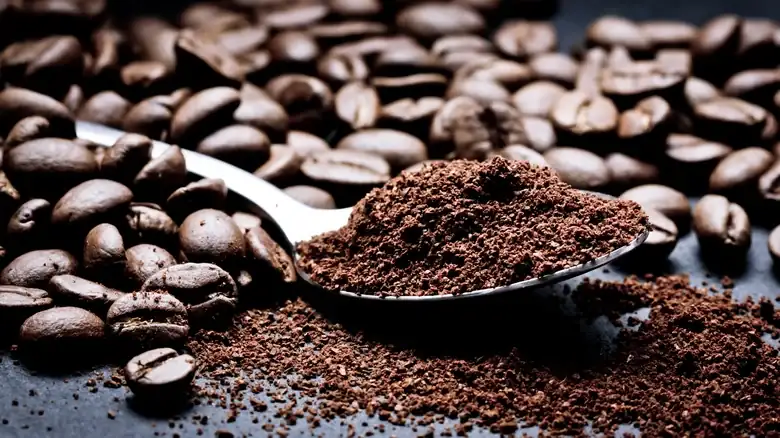
To check the quality, open the bag or container and give the ground coffee a sniff; if it smells stale or has little aroma, it's best to toss it. Another sign is if its deep brown color has lightened or has a gray tinge. You can make sure by brewing a cup. Coffee that's ready for the trash will have little taste, be bland, or be bitter. Of course, if there's mold or bugs in the coffee, or if it actually smells bad, throw out the product immediately.
Tips to help maintain coffee quality
Coffee declines over time mostly because of oxidation, degrading its flavor-producing oils and compounds. Another factor is moisture, which can cause mold. That's why you should never use a wet spoon to scoop coffee grounds. Exposure to light and heat also speeds up the decline. To protect coffee from these elements, it's best to store it in an airtight container in a dry, dark, and cool place.
For even fresher ground coffee, buy roasted coffee beans and grind them just before brewing. You can add a few drops of water to the beans to avoid static in the coffee grinder, which can impact the flavor. Take it a step further for the freshest possible brew by roasting raw coffee beans in an air fryer.
Freezing coffee beans can be an effective method for preserving them, but there are a few things to consider beforehand so the beans aren't affected by moisture or freezer burn. Keep the beans in sealed pouches or containers to minimize the possibility of freezer burn, and when ready to use, don't thaw before grinding to reduce condensation. Note that you'll get a better result freezing whole beans instead of ground coffee, again because there's less surface area exposed. Finally, buy less ground coffee or coffee beans at a time in smaller containers. You'll go through it faster, so it won't sit for weeks or months slowly losing its robust coffee goodness.