Jelly: Tradition and flavors in one place
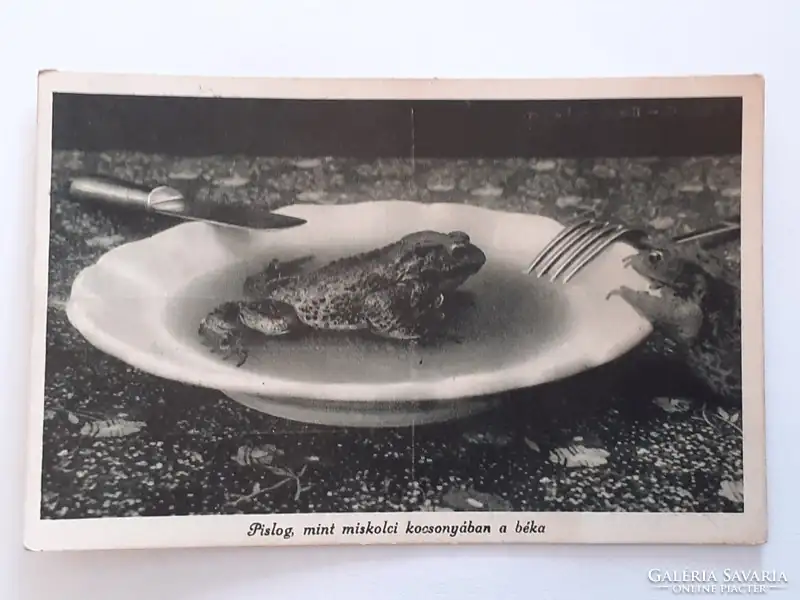
"Among the proverbs of Miskolc, "Pislog, mint a Miskolc jellies", or "Pislog, mint a Miskolc jelliesábán a féka" has become nationally known," writes The History of Miskolc Innkeepers and Hospitality, 1745-1945. Many people have heard of the blinking Miskolc frog.
According to István Váncsa, 'in the jelly we capture the Platonic idea of the pig'. According to Gyula Krúdy, dreaming about jelly brings bad luck. It was once customary for girls to choose a bone from the first jelly of the New Year, put it out in the yard in the evening, and the one the dog took was guaranteed to get married that year - András Cserna-Szabó and Béla Ede Fehér tell in their book In the Soup.
Gelatine (jelly without frogs) is a true classic of Hungarian cuisine, and there is probably not a single person in the country who has not tasted the trembling soup. It has undergone many influences over the centuries, and in addition to the most classic version made with pork, more and more flavored types have been added.
The origin of jelly
Even the ancient Roman cookbook De re coquinaria, probably written by Marcus Apicius Gavius, contains some recipes that are tangentially similar to today's jelly, although not entirely identical.
One such recipe may have been the ancient Roman "gelatina", which refers to gelatinous meat dishes. Although the recipes do not explicitly mention gelatin, the long cooking times described in the techniques and the use of bones, followed by serving cold, must have resulted in a gelatinous consistency. At this time, various garums were also popular in the preparation, which have come back to the fore in modern cuisines using fermentation techniques.
A free translation of the Latin text: “Take fresh meat (probably pork or veal), boil it in salt water. Add pepper, ligusticum (a strong-tasting celery that may have fortified the dish), coriander, and as much wine as needed. Mix the whole with a little vinegar. Serve cold, pouring the prepared sauce over the chilled dish.”
The ancient Roman version was probably not eaten exactly like today's jelly. It appeared more as a gelatinous sauce or cold dish at Roman feasts, but its preparation is similar to the technical basis of later jelly.
According to the Etymological Dictionary, "a dish cooked from the bony, skinned parts of a gelatinous animal, which is eaten cold, when the juice has congealed into a transparent, vibrating substance." Of unknown origin. The original sound of the word may have been kosonya."
The word appears as early as 1544, and its first written record can be found in the Nádasy collection. It probably became popular in Hungarian cuisine through village communities, where it was prepared as an almost obligatory dish during pig slaughterings. Every part of the pig was used, so the head, tail, hooves, and even the skin were included in the jelly. The jelly was usually cooked in large pots, then cooled and stored in a cold place, such as a pantry or cellar. The gelatinous consistency responsible for the solidification was provided by the substance boiled from the bones and cartilage. Garlic, pepper, salt, and bay leaves were used for flavoring, but according to local customs, other spices could also be added.
Jelly is basically a winter dish, as it is closely associated with pig slaughter, but in one of the most important works of Transylvanian cuisine, Pál Kövi's Transylvanian Feast, we can also find a summer, ice-cold version.
What is jelly made of?
The most important elements of the most classic jelly are the ear, tail, head, claws, smoked meat, knuckle and skin. It is cooked in vinegar and pepper water, and depending on the house, boiled eggs and vegetables are added.
We can find many different notes on the preparation of jelly, one of the most interesting can be found in the Hungarian-French cookbook of C. József Dobos in 1881, which the Hungarian writer duo mentioned above also draws attention to. The full description can be viewed at the link at the end of the article, the most important part is that the recipe also uses beef, veal, rabbit head, ham, calf's feet, and in addition, the procedure required a four-legged chair, a tablecloth and a large clean dish.
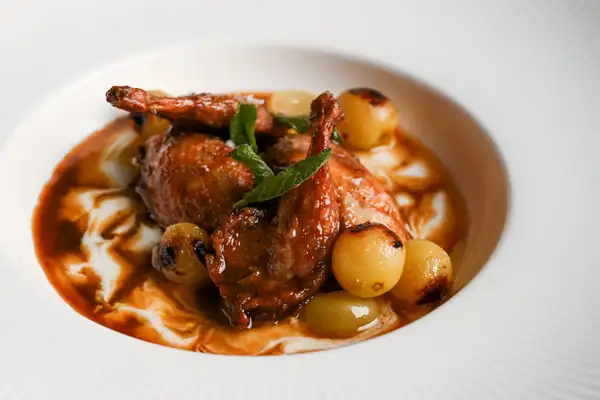
As time goes by, we come across more and more types of jelly besides the classic pork version. We can taste versions made from duck, pigeon, chicken, but also fish jelly. The seasoning is done according to the flavor of the raw material, it can be accompanied by anise, coriander, bay leaf, thyme, cloves, but also other spicy spices.
Jellies of different nations
As András Cserna-Szabó and Béla Ede Fehér's book In the Soup aptly points out, jelly is a true citizen of the world. We like to consider it our own, but it also appears in many other cultures. In America it is called pickled pig's feet, in Greece it is called pihti, and it is made from pig's feet with cloves and flour pulp. French literature is full of jellies; in Jules Verne's novel The Mysterious Island it is made from grouse, in Dumas' The Count of Monte Cristo it is made from wild boar ham.
It is also popular in Poland, where it is known as galareta or zimne nóżki. It is also made with pork, but is often enriched with boiled vegetables, boiled eggs and vinegar, and served with mustard or lemon. In Romania, the version called piftie has an extremely garlicky taste and is most often eaten as a festive dish at Christmas or Easter. In Russian and Ukrainian cuisine, it is found as holodets, a thicker, often layered dish. It is usually served with mustard or horseradish, and garnished with vegetables on top.
In France, aspic is known as an elegant appetizer made with gelatin and layered with vegetables, eggs, or pieces of meat. In Scandinavia, a favorite Christmas table dish is sylta, a gelatinous pâté-like dish flavored with cloves and bay leaves and served cold with bread.
In East Asia, we also find dishes similar to jelly. In Korea, pyeonyuk is a gelatinous meat dish seasoned with ginger and garlic and served with kimchi or soy sauce. In Mexico, gelatina de pata, or pork trotters, is layered with colorful vegetables and local seasonings. The list goes on.
The recipe of the Szaletly Restaurant
"In contrast to the many experiments and innovations in our jelly, only due attention and quality ingredients characterize our approach. Simple is great," says the Szaletly Restaurant.
Little piggy:
1.2 kg mangalica or pork leg
1.8 kg pork skin
1 tbsp whole black pepper
1 tsp whole cumin, toasted
10 dkg sea salt
100g peeled whole garlic
1 tbsp soy sauce
2 onions
5 dkg ginger
Pour cold water over the meat and skin to cover it. Cook slowly, whisking constantly. When the juice is clear and no longer foaming, add the seasonings and cook over very low heat until the meat is tender. Adjust the amount of water and salt to suit your preference for rich jelly. When the meat is tender, remove it, let it cool slightly, and then dice it. It is best to cut the skin into smaller cubes and the meat into larger cubes. Strain the juice through cheesecloth or a fine sieve and refrigerate for a day. The next day, you can easily skim off the fat. For the jelly, place the meat and skin mixture in bowls and pour the reheated juice over it. It can be eaten after cooling for a few hours.
We serve it with garlic cream confit with paprika, Maldon salt and olive oil.
József: Hungarian-French cookbook | Savaria Gallery.