
How do we use wild plants?
Szagos müge (Galium odoratum)
The fragrant muge is known for its pleasant scent, which is given by the coumarin it contains. In the Middle Ages, it was mainly used for medicinal purposes, for example as a sedative, against headaches or to stimulate digestion. Today, it is also increasingly popular in gastronomy: it is used as a flavoring in liqueurs, wines, and spring desserts and cakes. In medicine, it is still used as a mild sedative and digestive aid.
Szilárd Tóth and the Salt Budapest team love to use sagos muge in both the restaurant and bakery offerings. “Sagos muge is actually a locally grown alternative to tonka beans. We find the same substance in it, coumarin, and when dried, these flavors are concentrated in it. We use it as a powder, we make infusions from it, and it is also added to oily, water-based, and milky liquids. In small quantities, sagos muge is pleasant – as we use in the restaurant and bakery – but those who work with it should pay attention to how much they consume.”
Chamomile (Matricaria chamomilla)
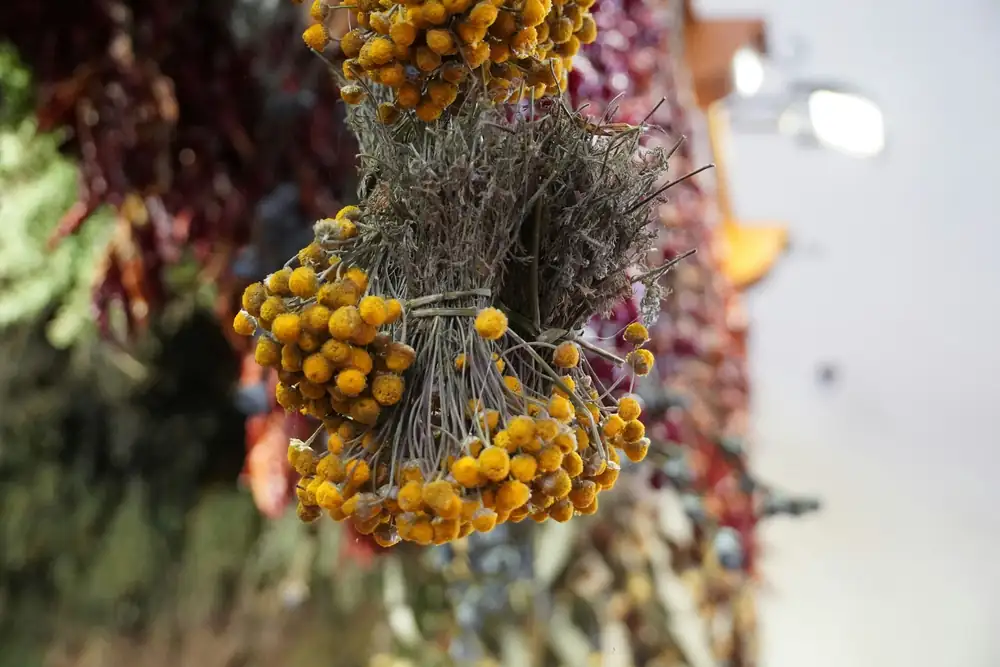
Chamomile is one of the most well-known herbs. In the past, it was primarily used to treat wounds, reduce inflammation, and as a sedative. Today, it is an essential ingredient in herbal teas, helping to treat stomach complaints, sleep disorders, and stress. Chamomile is also increasingly used in gastronomy.
“There is a lot of chamomile in the Great Plain, it is a pleasure to work with it, because it is a very universal plant, it can be paired with both sweet and savory dishes. I like to pair it best with dishes that feature smoke in some form, whether it is smoked meats, vegetables, or smoked cream. Chamomile blends nicely into all smoky aromas, it is a good complement to this flavor.”
Onion toothwort (Dentaria bulbifera)
This little-known plant was once a food source for forest dwellers, as its berries and bulbous root are edible. In folk medicine, it was used as a digestive stimulant and general tonic.
“Onion toothwort is a little-known spring wild plant. In the axils of the leaves are small, shiny, brownish-red berries that taste like a mixture of radish and horseradish. We use it both fresh and pickled. When pickled, it gives off an even more complex flavor, with a bit of pepperiness. Its pleasant, lingering pungency lasts longer than that of horseradish. It can be used to refresh many dishes.”
Meadow fanwort (Filipendula ulmaria)
In ancient times, fan grass was primarily used as a painkiller and fever reducer, as it contains salicylates, which have an effect similar to aspirin. When prepared as a tea, it was used to relieve joint pain and against colds. In gastronomy, it is an excellent ingredient for syrups and sweets due to its floral, vanilla-like flavor.
"Meadow fan grass is a very exciting, incredibly aromatic plant. Its scent is already distinctive, nectar-like. It's like tasting honey, but without the sweet taste. It pairs very well, I tend to use it mostly with acidic things – not citrus fruits, but with more vinegary ingredients. It goes very well with fish, meats, and desserts."
Onion-scented scallion (Alliaria petiolata)
This plant is known for its strong garlic scent. In the past, it was mainly used as a spice and medicinal plant, especially for digestive complaints and wound healing. Nowadays, it is being rediscovered, often used in pestos, salads or sandwiches instead of garlic. It is a favorite herb of hikers.
“Onion-scented scallion starts growing in nature at about the same time as wild garlic. If you rub its leaves, you can smell the garlic aroma. It has a slightly bitter, slightly horseradish taste, and is a very good salad plant. In general, it can be said that all plants that have the smell and taste of onions and can be found in Hungary are also edible.”
Roadside cress (Cardamine hirsuta)
This plant has a pleasantly spicy taste when eaten fresh, and has long been used in salads and as a spice. In folk medicine, it was used as a blood purifier and against spring fatigue. Today, it is still a popular fresh vegetable, especially added to salads, sandwiches and soups.
"I would put its flavor somewhere between cabbage and watercress. We also use it to make kimchi, it goes really well with it. It has a slightly bitter, cabbage-like flavor, and it also works well in salads."
"When picking wild plants, if you are not 100% sure about something, it is better to ask an expert. The world of wild plants is at least as colorful as that of mushrooms, and at the same time at least as risky. We can encounter a wide variety of plants in nature, so the possibility of error is higher. Let's be careful!" - advises the chef.