Goulash is on everyone's mind, but it's less and less on menus
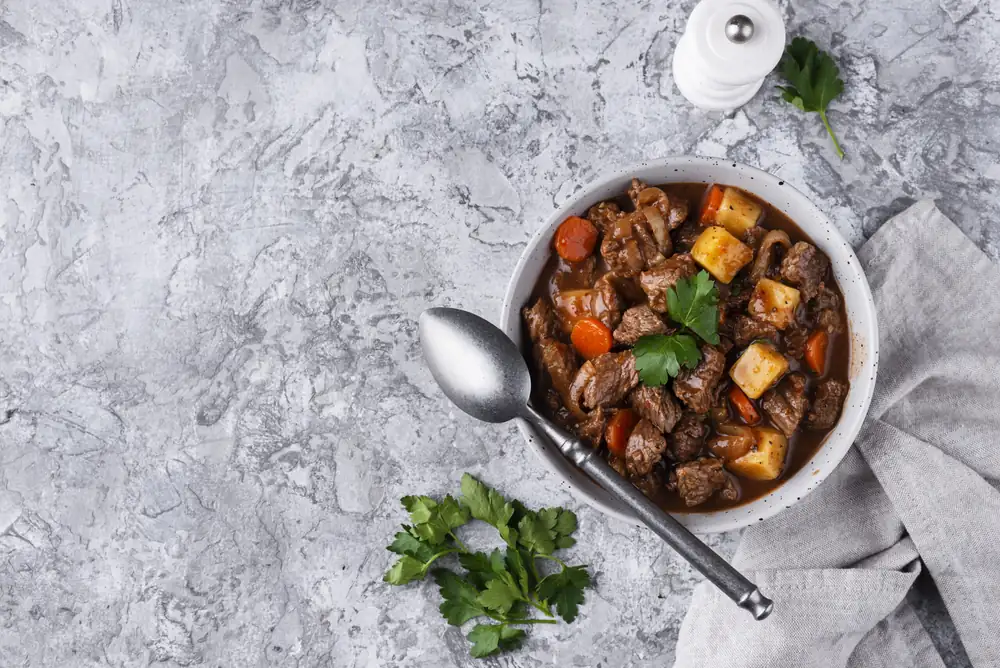
Goulash is one of the strongest symbols of Hungarian gastronomy, yet it is increasingly rare to find on restaurant tables, especially among the younger generation. METRO's Delicious Hungary program seeks to answer this contradiction: how to present a classic dish in a way that remains relevant for today's guests.
Tasty Hungary is a METRO initiative that focuses on Hungarian hospitality and traditional Hungarian dishes. The first major activation of the program was the Goulash Week, held between April 20 and 26, 2026, which was joined by more than a thousand restaurants across the country. “Participating locations offer different versions of goulash for a uniform price of HUF 999, which guests can access with a coupon that can be downloaded in advance. The aim of the initiative is to make classic Hungarian dishes available to as many people as possible, while also generating new traffic for caterers,” explained Ákos Bősze, METRO HoReCa Development Director.
A three-player system that goes far beyond a campaign
The program is being built as a long-term initiative, and the goal is to create a system in which domestic producers, caterers and guests can connect at the same time, rather than promoting a single dish. “Perhaps the biggest challenge of the project was the structure of the program itself. We had to figure out how to have a positive impact on producers, guests and caterers alike. For the producer, the question is whether they can provide ingredients in the right quantity and quality, for the guest, the question is whether the restaurant experience is accessible to them at all, and for the caterer, the question is whether this contributes to stable operation. We tried to connect these three sides in one system,” said Ákos Bősze.
The model is based on a clear market situation: the catering industry has been under constant pressure in recent years, while the supply is constantly changing and more and more places are turning to international trends, partly due to the demands of the younger generations. According to METRO data, the presence of traditional Hungarian dishes is decreasing in parallel, with the proportion of Hungarian dishes stagnating or declining in 64 percent of catering establishments. In this environment, the program is primarily about making these dishes reinterpretable for the catering industry, while at the same time the restaurants remain economically viable.
A dish that everyone knows
The first focus of the program was goulash, which at first glance seems like an obvious choice, but in practice it raises much more complex questions. “In our research, Generation Z clearly mentions goulash when we ask them about Hungarian cuisine, but this is not reflected in their consumption. They often do not choose it in restaurants because they find it heavy, greasy, and it is simply not the type of food they easily associate with today,” says Ákos Bősze.
Behind this phenomenon lies not only a change in taste but also a change in lifestyle. The younger generation is less attached to classic, home-grown flavors, while visuality, i.e. Instagram compatibility and ease, are important considerations when choosing.
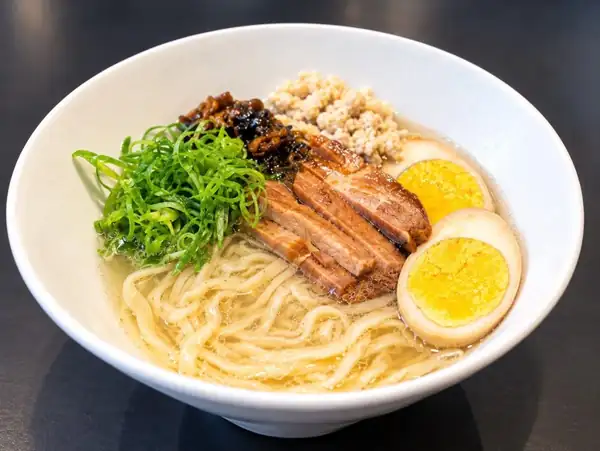
The answer is not necessarily to create a new dish, but rather to present an existing one in a different form. Accordingly, the program aims to provide inspiration rather than rules or specific recipes, such as last year’s opening event, which brought together hundreds of chefs and saw the emergence of numerous interpretations of goulash, from street food to vegan – and even an Asian-inspired version. The goal was for caterers to find a form in their own environment in which the dish could work again.
It is also worth paying attention to young people because the presence of Generation Z in the hospitality industry is already decisive; according to METRO data, they spend an average of more than 13.7 hours per week in various catering establishments, so they are the ones who will drive demand in the long term.
Hospitality's reaction: openness and resistance.
The reception of the initiative in the hospitality industry shows a twofold picture. As Ákos Bősze puts it, two types of attitudes can be clearly distinguished, as there are those who insist on the usual operation and are less open to this type of initiative, while there are more and more actors who consciously monitor changing consumer needs and shape their offerings accordingly.
“There are traditional restaurateurs who think they know best and are reluctant to let anyone have a say in this. But there are also more and more people who are paying attention to the younger generation, what they want, and trying to approach it with an open mind.”
Based on the numbers, the latter group is gaining strength. More than 1,300 restaurants applied for the program organically, of which 1,003 eventually joined Goulash Week. This represents nearly 15 percent of the total domestic hot-kitchen catering industry, which is a significant proportion for an initiative of this type.
The feedback is wide-ranging, with some chefs explicitly rejecting the idea and seeing no relevance to their own clientele. However, there are also examples where the program has had a concrete business impact. For example, a seasonal restaurant introduced several versions of goulash, which was able to generate additional sales even during the typically weaker winter months. This duality clearly shows that this is a changing market, where some caterers are already actively looking for ways to make classic dishes relevant again.
The bottleneck: the raw material and the production side.
One of the most sensitive points of the program is not the restaurant side, but the supply of raw materials. While the farm-to-table approach is appearing more and more frequently in the gastronomic discourse, maintaining it in practice poses a serious challenge. “The narrowest cross-section is clearly the producer side. It is very difficult to provide raw materials continuously, in stable quality and quantity,” says Ákos Bősze. The case of Makó red onions illustrates this situation well. When the program started, only a few producers remained, with whom we managed to rebuild the supplier network in cooperation. The quantity available in the first period – about 14 tons – sold out in a short time, despite the fact that its price is several times that of mass products. The goal is both for guests to rediscover these dishes and for the raw material supply behind them to remain sustainable in the long term. This is the point where the interests of hospitality, trade and producers truly meet.
A week that goes beyond a campaign
At first glance, Goulash Week may seem like a classic catering activation: a uniform price, broad participation, an easily communicated offer. The intention behind the program is much more complex, and there is serious market pressure in the background, as an average of 7.2 catering establishments closed down in Hungary every day two years ago. “For us, Jóízű Magyarország is an educational step. Instead of short-term returns, we are thinking about bringing these dishes back into the public consciousness and ensuring their place on menus in the long term,” highlights Ákos Bősze.
The uniform price of 999 forints in this context can be interpreted more as an entry point: it gives guests the opportunity to try a dish that they might choose less often with a lower risk. For caterers, it can be a tool to reach new guests or to draw attention to a classic dish again. The success of the program cannot be measured solely in the number of servings sold, although this will also be an important feedback. The focus is more on whether these dishes find their way back into everyday offerings and are able to take on new meaning.