Top 22: The best restaurants in Munich 2026
Munich is known not only for its traditional dishes but also for its diverse fine dining offerings. Exclusive restaurants like "Jan" or the modern "Atelier" in the Hotel Bayerischer Hof focus on creative cuisine and sophisticated ambiance.
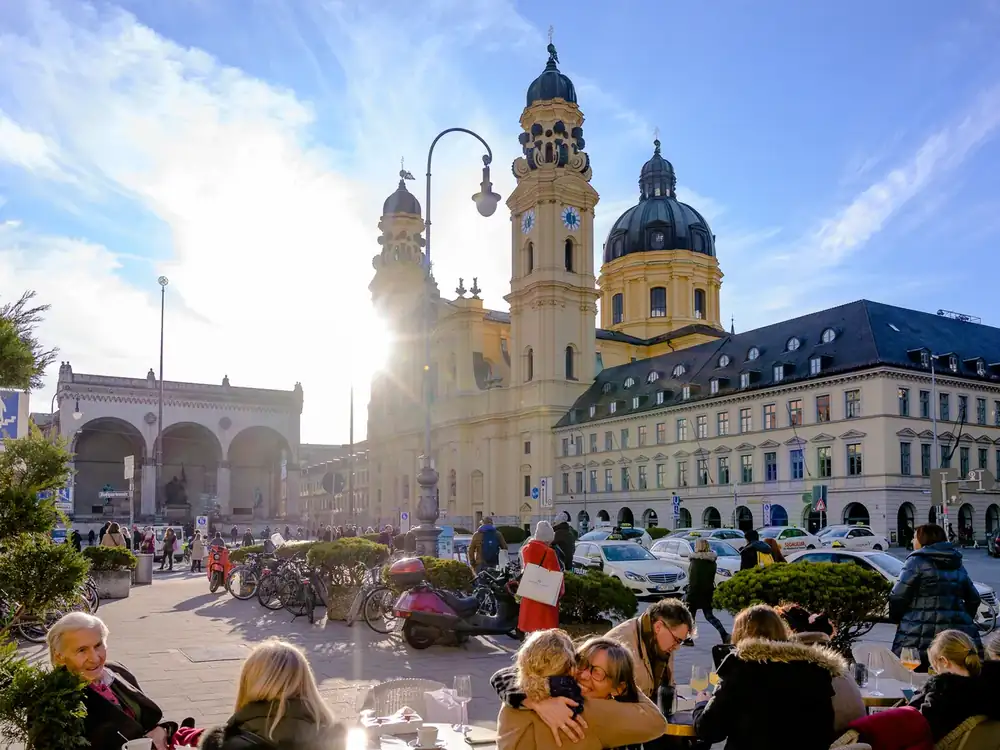
At the same time, the city attracts visitors with impressive sights such as Marienplatz, Frauenkirche and the English Garden, which reflect the rich cultural heritage and charming atmosphere of the Bavarian capital.
Concept: Fine-dining restaurant at the Hilton Munich Airport. Attractively priced lunch menu, two set menus in the evening (omnivore and vegetarian), with individual courses also available à la carte. Under-30s menu includes parking. Cuisine: Head chef Marcel Tauschek works with products from the Alpine foothills and subtle Italian influences, combining classic flavors with expert presentation: delicate Arctic char is paired with crisp green notes of peas and watercress, while brook trout is served with tomato and fennel, offering delicate Mediterranean touches. The desserts are consistently creative, such as strawberry, balsamic vinegar, and burrata for a fruity and refreshing finish. Wine: An internationally curated wine list with around 250 selections, favoring classic European wines and well-known producers. Atmosphere: Numerous patterns and surfaces create a somewhat busy atmosphere, but there is plenty of space – an international restaurant with eloquent service. Verdict: A culinary highlight of the airport, well worth the trip from the city.
Concept: Contemporary fine dining at BMW Welt, under the motto "Culinary Nomadism," combines Bavarian products with influences from around the world. Two menus, one vegetarian. Cuisine: In the first season, Jens Madsen focuses on African flavors: Bavarian-farmed prawns meet African biltong in a kind of XO sauce made with smoked eel and prawn heads, accompanied by pumpkin in surprising variations. Salmon trout bathes in a velvety coconut sauce from the East African coast, with beans in various textures, tomatoes, mint, and many other spices. Quail from Lower Bavaria with hemp seeds and black truffle complements an airy hollandaise refined with rooibos reduction. Wine: In addition to the classic wine list with 300 selections, Luigi Pecchia offers a second list for discoveries, ranging from South African sparkling wine to Armenian red wine blends. Atmosphere: Spacious, bright, and urban—that's how the large room feels in its completely new look. The eye-catching features are a grey monolith made of titanium stone and the eponymous cloud hovering above it. In conclusion: A cosmopolitan concept for surprising moments of enjoyment in a contemporary and stylish setting.
Concept: A sophisticated yet elegant Italian restaurant near Nymphenburg's Grünwaldpark. À la carte or a four-course menu is available, with the signature pasta course, "Pecorino Ravioli with Balsamic Vinegar," giving the restaurant its name. Cuisine: Giorgio Maetzke is known for Munich's best Italian cuisine, though recently there were a few minor flaws: The fried octopus, while both crispy and buttery-tender, was rather bland when served with zucchini, eggplant, and bell pepper ice cream. The risotto with spicy braised rabbit, olives, and burrata achieved both texture and creaminess. Zucchini blossoms filled with fennel cream and two monkfish medallions were nestled beneath a generous cloud of lemon foam – delicious, but less visually appealing. Wine: Approximately 250 Italian wines, primarily from Piedmont and Tuscany, plus a dedicated page for top international wines. Atmosphere: An address with a romantic patina, warm Art Nouveau tones inside, and a cozy, verdant terrace with torches and lanterns outside. Pleasant, discreet service in the classic style. Conclusion: A charming classic that maintains its elegant image.
Concept: At Tantris Maison Culinaire's second restaurant, classic French cuisine is reinterpreted – as a set menu or à la carte. Cuisine: Benjamin Chmura increasingly expresses his passion for craftsmanship, excellent product quality, and great French tradition. Fish and seafood come directly from Brittany; the repertoire is impressive, even for dishes prepared for two (whole sea bass, sweetbreads Rumohr). A highlight are the game dishes, such as pâté en croûte made with seven different types of game, including pheasant, partridge, and venison, accompanied by wild mushrooms and duck liver broth. His wild hare "Façon Senateur Couteau," based on an 1830 recipe, is excellent: the roasted saddle with beetroot, chard, cherry, and sauce à la Royale, served separately with buttery mashed potatoes with offal ragout and braised shoulder. Wine: The extensive Tantris cellar is also available here, with a focus on French wines and a wide selection of vintages. Atmosphere: More intimate and relaxed than next door, with gleaming marble tables and lobster-red upholstery. Lukas Reitzenstein and his team provide polished service with a touch of humor. Large summer terrace. Verdict: An exceptional dining experience in a stylish setting.
Concept: Young fine dining in Schwabing. A set menu and à la carte options. Cuisine: Daniel Bodamer arrived with excellent credentials (“Tantris”, “Schwarzwaldstube”, “Le Clarence”) – and quickly made a name for himself in the Munich scene with his contemporary French-influenced style. It's great that everything is also available à la carte! His dishes demonstrate impressive skill, from tataki-style charcoal-grilled mullet to turbot with a chanterelle crust and melted beef marrow. Great craftsmanship, great flavor: pigeon breast, prepared in the style of a crépinette, wrapped in chard and filled with foie gras and mushroom forcemeat. Accompanied by a selection of artichokes and a classic French game sauce with the bird's giblets. Wine: Tobias Klaas's wine list boasts around 1000 selections, from grand Burgundies to nerdy natural wines. Atmosphere: A casual restaurant with a club-like feel and an open kitchen, brilliantly managed by host Markus Klaas. Rather small tables, cool playlist. Conclusion: A place to feel comfortable and enjoy sophisticated dining.
Concept: Jan Hartwig's new German cuisine is among the best in the country, presented in a contemporary, unpretentious, urban setting. A tasting menu is offered, with a reduced five-course menu available at lunchtime. Cuisine: Excellent craftsmanship, profound flavors, and a certain richness characterize Hartwig's style. His menu begins with a parade of tempting morsels, from foie gras à la Chantilly with rum raisins to a refined Gaisburger Marsch (a Swabian stew). The highlights follow: pike quenelles filled with currant bush butter, nori seaweed jam, and raw, sliced Norwegian scallops. Grilled red mullet with veal tongue, accompanied by teriyaki glaze, pumpkin prepared in various ways with two sauces, Sauternes-saffron vinaigrette, and a spicy sea urchin nage. Last but not least, a new variation of Hartwig's favorite product, sweetbreads, this time "Königsberg style." And for dessert? Tarte Tatin from the classics menu! Wine: A well-curated list with a focus on Germany and France; plus numerous rare wines. Atmosphere: Purist and stylish with cleverly placed design elements, lots of light wood. The service team, led by Kilian Skalet, is warm, approachable, and knowledgeable. Conclusion: Great cuisine, genuine hospitality – contemporary fine dining of the highest caliber.
Concept: Behind the traditional Schwabing facade, everything revolves around the guest – and Sigi Schelling's classic, timeless gourmet cuisine. A variety of lunch and dinner menus are offered. Cuisine: The chef remains true to her style: top-class cuisine based on French principles with an Austrian touch and the finest ingredients, where good taste always comes first. This applies to perfectly seared scallops with pumpkin purée and a sweet-and-sour marinade, beurre blanc, and white truffle, as well as to turbot with Bouchot mussels, cuttlefish gnocchi, and a wonderfully intense bouillabaisse cream. Saddle of venison from Polting is served with celery root purée, brioche dumplings, red cabbage, wild mushrooms, and quince cream. The sauces are a highlight – as are the desserts, such as marble soufflé with stracciatella cream and passion fruit ice cream. Wine: Xavier Didier charmingly recommends wines from the expertly curated list (approximately 250 selections), with a focus on Germany, Austria, and France. Atmosphere: You feel – and this is exactly how the owner intends – like you're in a good inn, with white tablecloths, dark wood paneling, and Art Nouveau windows. In short: Stylish and warm hospitality with the cuisine at its heart.
Concept: An elegant French-Austrian restaurant in the heart of the Amalienpassage. A set menu is offered, with a shorter lunch option available on Fridays and Saturdays, as well as classic à la carte dishes. Two bistro offshoots ("Tschecherl" and "Obers") are also available, and another restaurant is in the planning stages. Cuisine: The wilder days seem to be over; instead of offal, Jürgen Wolfsgruber prefers to serve classic French-inspired dishes with a clearly defined style: bitter greens with a light, frothy hollandaise and toasted yeast sauce, Breton lobster with Jerusalem artichoke purée in a light herb and whey vinaigrette, or sirloin of Blonde d'Aquitaine beef with a touch of parsley cream and rich sauce. Product quality and sauce preparation are paramount, and the presentation is elegantly simple. Wine: Approximately 300 wines are available, with a focus on Austrian, German, and French wines. A considerable selection of sparkling wines and non-alcoholic beverages is also offered. Atmosphere: Relaxed and unpretentious, with impeccable service. The owner ensures that the decor remains visually appealing through regular renovations. Conclusion: Great classic cuisine in a relaxed setting.
Concept: A fine-dining offshoot of the Hirschau beer garden, offering two menus (omnivore or vegetarian) in four or six courses, with the option to add nose-to-tail specialties. Some vegetables and herbs are grown on-site. Cuisine: Lukas Adebahr's influence on Tohru Nakamura's cooking at Werneckhof is evident in both appearance and taste. The miniatures to start are exquisite, with a mushroom and mountain peach tartlet being a standout. He contrasts the umami bomb of a tomato salad with roasted duck fat with a juicy, fresh strip of watermelon, accompanied by nasturtium leaves and tiny, crispy croutons. Sea trout fillet and buttery beetroot purée are given a crunchy texture and green notes by roasted pistachios and chives, while the mini savarin infused with bay leaf oil leaves a lingering aromatic finish. Wine: 150 European wines, high-quality and not inexpensive; the wine selection could be improved. Atmosphere: Elegant country style, sophisticated china, fine Riedel and Zalto glassware – the restaurant has clearly invested in its furnishings. The service doesn't quite reach the level of the cuisine; among other things, a more attentive host is lacking. Conclusion: Culinary excellence, but the service could be improved – we'll be watching with interest.
Concept: A traditional wine tavern in the heart of the city with upscale cuisine under the patronage of Fabrice Kieffer (“Les Deux”); set menu and à la carte. Cuisine: No matter what you choose from Benjamin Kunz's pleasantly frequent menu, you'll always enjoy top-notch craftsmanship, ranging from creatively contemporary to classic: Whether it's carpaccio of Arctic char with radish and beer vinaigrette, pan-seared pike-perch fillet with spinach, horseradish, and caviar beurre blanc, or braised rump roast in its own juices with bread dumplings – everything tastes exquisite! And for dessert, perhaps a Sachertorte interpretation with sheep's milk stracciatella ice cream? Wine: Frank Glüer's wine list, with its approximately 300 selections, would do any gourmet restaurant proud! Atmosphere: Historic vaulted ceilings, dark wood paneling, and cast-iron chandeliers create a ambiance; the young service is friendly and professional. Conclusion: A relaxed place to enjoy yourself in the heart of the old town.
Concept: After our editorial deadline, Anton Gschwendtner left the restaurant at the Bayerischer Hof. We are suspending our review until a new successor is found.
Concept: Casual fine dining in a vibrant, urban setting. Two set menus (one vegetarian) and à la carte. Cuisine: Despite his television work, Ali Güngörmüş continues to shape the culinary style, skillfully balancing French-influenced craftsmanship with a diverse array of oriental spices. The best introduction to his world of flavors is the large meze platter, when the table is laden with dishes – creamy hummus with smoked paprika and pomegranate, feta börek with zucchini and date dip, octopus with pointed cabbage and currants. A popular highlight is the oven-roasted, crispy Pageou duck for two, carved tableside and accompanied by ginger cranberries, red cabbage with apples, and dumplings. Wine: A well-curated list with many familiar names (around 300 selections). Atmosphere: Spacious, bright, with a high ceiling – a cosmopolitan restaurant with cleverly placed lighting effects and a pleasant atmosphere. Lovely terrace; friendly service. Conclusion: Relaxed enjoyment, high feel-good factor.
Concept: In the heart of the city, Fabrice Kieffer runs this dual culinary destination: fine dining on the first floor, an ambitious brasserie downstairs; upstairs, two set menus (one vegetarian) as well as several signature dishes à la carte. Cuisine: Nathalie Leblond's French-based, contemporary style focuses on high-quality products and refined lightness: To start, scallop carpaccio with lemon confit, samphire, potato espuma, and Espelette pepper; then perhaps confit lake trout in a lightly smoked pineapple broth, with horseradish foam, a carrot medley, and elderflower. For the main course, sweetbreads are a classic here, always reinterpreted, this time baked in sunflower seed crisp, with mango-chili gel, white asparagus, corn espuma, and veal jus. Wine: A superbly stocked wine cellar with a German-French focus (around 700 selections). Atmosphere: Stylish ambiance, spacious and contemporary in its elegance, on the fully glazed upper floor; Fabrice Kieffer and his team are known for their expert and friendly service. In short: a complete, worry-free gourmet experience, presented with great charm.
Concept: Christoph Kunz's urban fine-dining restaurant in the heart of the old town. One menu (8 courses in the evening, 4 at lunchtime). Cuisine: The guiding principle here is exquisite enjoyment in three or four components; the menu is a succession of delicately presented delicacies, each with extremely balanced flavors and often surprising combinations of aromas. Kunz enjoys exploring new avenues, as demonstrated by the French Ikejime sea bass, served almost raw, a kind of crudo, with chanterelles, onion cream, and caviar. The monkfish is also a surprise, prepared classically, presented with a purée of hearts of palm and a raw salad, accompanied by finger limes for a touch of acidity. The lamb rump is elegant in flavor, with aromas of lemon, yellow beetroot, and lovage, and, surprisingly, calf's head. Desserts are lightly sweet. Wine: Focus on Germany and Austria, as well as Europe's traditional wine-growing regions. Atmosphere: An urban ambiance with high ceilings, light wood, and skillfully placed color accents. Chef's table with a view of the kitchen; beautiful bar in the entrance area. In short: Here, everything revolves around the kitchen in a stylish setting.
Concept: Gourmet restaurant of the Dallmayr delicatessen. A 16-course (small) menu, with a reduced version available at lunchtime. Cuisine: Rosina Ostler's menu deliberately breaks with convention, beginning with a cascade of refined morsels, most notably mini tacos made from pointed peppers, filled with chamois leg ragout. Lamb belly arrives as a terrine, caramelized with honey, accompanied by unripe green currants and a rich lamb jus with pumpkin seeds. Vegetables play a key role, for example, in a duet of yellow beetroot and quince prepared in various ways, garnished with roasted hazelnuts, and served with homemade almond milk poured tableside. The main course: pigeon, gently cooked on the carcass and grilled over an open fire. This is accompanied by kale in various textures (including kimchi, pickled, and marinated), acidic notes from green and white tomatoes, and classic pigeon jus. On the side, flatbread filled with pigeon leg, accompanied by a parfait made from the offal. Wine: A top-notch wine list and a superb sommelier: Julien Morlat is known for his exciting pairings. Atmosphere: Two atmospheric salons, elegant wallpaper, plush carpet – the chefs serve in this stylish setting. Conclusion: A thrilling, all-around experience of the highest caliber.
Concept: Fine dining of the highest caliber behind listed walls in the heart of Munich's old town; a ten-course tasting menu. Cuisine: Tohru Nakamura is at the pinnacle of his culinary art, his menus unfolding a unique culinary world, a symbiosis of European avant-garde and his second home, Japan. The meal begins with Irish mor oysters, poached for seconds over charcoal for a silky texture; followed by Ozaki Wagyu, sliced raw and seared for a dual flavor experience, accompanied by river eel and mild habanero peppers with a full flavor and only a hint of heat. Further top-quality ingredients with creative accompaniments include: Balfegó tuna with Koshihikari rice, wasabi, and shiokoji; and a crustacean trio of carabinero prawns, langoustines, and shrimp with kimizu. And: Herrmannsdorf pork tenderloin, marinated in shiokoji and grilled, alongside black pudding madeleine with salsify, snail butter, and two ingenious sauces: classic jus with Périgord truffle and floral meadowsweet foam. Wine: Chris Rainer's wine pairings are spot-on and often surprising, his list impeccably curated. Atmosphere: The stylishly renovated rooms feel very intimate, with warm colors, leather swivel chairs, and accent lighting. Superb service under Alexander Will. Verdict: A truly exceptional culinary experience that every gourmet should treat themselves to.
Concept: Gourmet restaurant in the traditional Hotel Vier Jahreszeiten. Two menus (one vegetarian); gourmet brunch on Saturdays. Cuisine: Franz-Josef Unterlechner cooks with inventiveness and originality, with a love for quality ingredients and classic techniques. The cornflower made of purple and black radish is picture-perfect, concealing raw marinated lake trout with radishes, surrounded by buttermilk vinaigrette. The chef presents the fillet of a truly large plaice with avocado, cucumber, jalapeño, and grilled red bell pepper, accompanied by two sauces (yellow bell pepper and chorizo). And finally, lamb "from head to toe" with liver, sweetbreads, and leg of lamb as a crépinette, accompanied by Mediterranean flavors of artichoke, broad beans, and green olives, complemented by salsa verde and classic lamb jus. Wine: Dedicated recommendations, well-curated list. Atmosphere: A spacious feel, the harmony of cream and beige tones, and wall reliefs from the Nymphenburg porcelain manufactory define the ambiance. Attentive and friendly service. Conclusion: A top-class culinary experience and stylish hospitality.
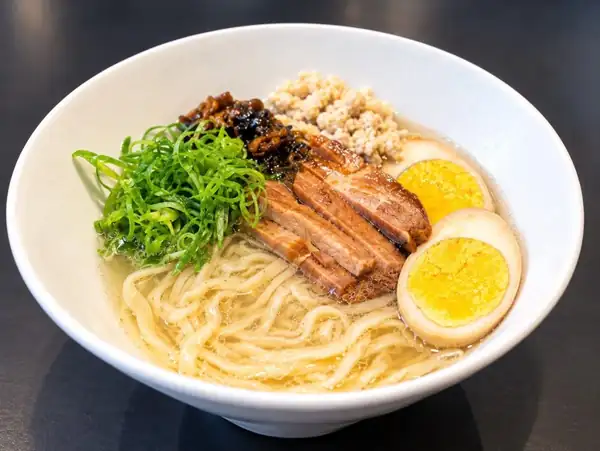
Concept: A restaurant like a short trip to China. Set menu and à la carte. Cuisine: Patron Hao Jin's home region south of Shanghai inspires many dishes: cuttlefish, cut into thin strips and poached in hot broth, flavored with sesame oil, leeks, and bell peppers. Sea bass carcasses form the basis for the intense, stomach-warming soup of white prawns and cod, with seasonal accents provided by white asparagus. A highlight is the Breton lobster, steamed, shelled, and flavored with ginger, rice wine, and hot leek oil. And for those still not satisfied, Jin's legendary noodle soup with homemade ramen noodles and beef fillet marinated in soy, rice wine, and ginger before being briefly stir-fried in a blazing hot wok. Wine: A carefully curated wine list, tailored to the culinary style, with around 160 selections, focusing on Riesling and Burgundy. Atmosphere: Far Eastern and minimalist, without any ethnic kitsch, but with the owner's very personal service. Verdict: Relaxed enjoyment with culinary passion for Asian food lovers.
Concept: A contemporary gourmet concept in a former Giesing corner pub. One menu, vegetarian options available upon request. Cuisine: Florian Berger has mastered the fundamentals of French cuisine, which he constantly reinterprets with creativity and a focus on regional ingredients. His wild boar and egg yolk ravioli with cocoa and barberry are delicately seasoned and incredibly delicious; the vegetarian "Faux Gras," which he continually reinvents, for example with fig and hazelnut, has been a staple on the menu for some time. His sophisticated vegetable dishes include the cauliflower, presented with tonburi, ginger, and mustard greens in an exciting way. Wine: A well-curated wine list and attentive beverage pairings (including non-alcoholic options). Atmosphere: Intimate and minimalist in a charming bistro style with bare wooden tables. Conclusion: A relaxed ambiance meets culinary excellence.
Concept: At lunchtime, à la carte dining is available, featuring pastrami sandwiches, pasta, ramen, or the fish of the day, as well as a three-course set lunch menu. In the evenings, only five- to six-course set menus are offered, with vegetarian or pescatarian options available. Before or after your meal: the "Weinstube" cocktail and wine bar is next door. Cuisine: Year-round, light, summery dishes are served, such as the "salade de la bavière urbaine," marinated tomatoes in a fruity and spicy basil broth with olive brittle. The crispy fried zucchini blossom is filled with ricotta, while a summer squash tartare with preserved lemon adds a touch of freshness. A perennial favorite is the crispy fried trout with almond butter and two types of kohlrabi; dessert tends to be ice cream-heavy. Wine: Approximately 100 wines, predominantly white, from Germany, Austria, and South Tyrol (red). The style is more classic than experimental. Atmosphere: Lively, bistro-style, and unpretentious. You're quickly addressed informally and made to feel like a regular. In short: a place to enjoy yourself with a charming blend of lightheartedness and sophistication.