Asparagus season in Germany
Asparagus is popular throughout Europe, but in Germany it has developed a cult following. They even have their own term for the season – Spargelzeit, or “asparagus time” – and restaurants, markets, farms, festivals, and even entire gastronomic routes are organized around the vegetable.
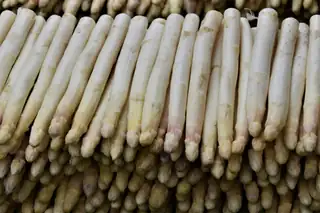
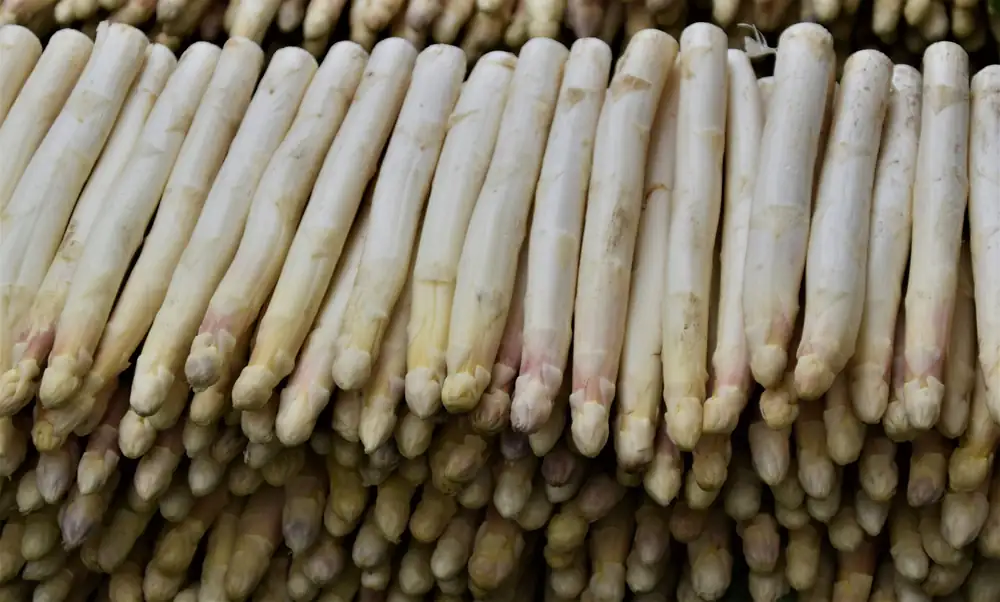
The season usually starts in mid-April and traditionally ends on June 24, Midsummer's Day. Although green, purple and white asparagus are also available, the Germans' clear favorite is the white variety, which is grown covered with soil to keep it out of the sun.
Asparagus is much more than just a seasonal ingredient in Germany: it has become one of the most powerful gastronomic symbols of spring. Often paired with new potatoes, ham or strawberries, it also appears in soups, salads and even desserts – even as ice cream.
In the footsteps of the asparagus cult
The Germans' passion for asparagus extends far beyond the world of restaurants: in spring, entire regions organize around the season. In Lower Saxony, a separate gastronomic route has even been built around the cult of white asparagus, called the Niedersächsische Spargelstraße – or Lower Saxon Asparagus Route.
The approximately 750-kilometer route runs from the Bremen and Hamburg areas to Hanover, passing through small towns, asparagus-focused restaurants, farms, markets and farmer's shops. In spring, the area's farms and stands are filled with fresh asparagus, strawberries and other seasonal ingredients.
During asparagus season, almost everything in Lower Saxony revolves around vegetables: freshly picked white asparagus is constantly appearing at markets, farm stands, and roadside vendors.
The route leads past long fields of asparagus, where the shoots are protected from the sun by thick rows of earth, while the landscape becomes increasingly idyllic through the sloping, purple heather fields of the Lüneburg Hills.
Asparagus Museum in Nienburg
The German asparagus cult dates back centuries: the vegetable was introduced to the region by the Romans nearly two thousand years ago. For a long time, it was referred to as "white gold" or "noble vegetable" because it was primarily consumed by the upper classes.
The history of asparagus in Germany is presented at the Asparagus Museum in Nienburg. The institution, housed in a half-timbered building, houses a special collection of porcelain and silver tableware, specially made for asparagus dinners.
The museum also has an interactive section where you can try out a virtual asparagus harvest, and the garden features real asparagus beds and installations demonstrating the cultivation process. The annual Spargelfest, or asparagus festival, is also held here in May.
Burgdorf, the “asparagus capital”
Around 20 percent of the asparagus grown in Germany comes from the Burgdorf area. The small town near Hanover is often referred to as the country's "asparagus capital" not only because of the quantity but also because of the quality.
The area's farms and markets offer Burgdorfer Qualitätsspargel asparagus with a special quality label, as well as strawberries, garlic and other seasonal produce.
One of the most well-known programs of the season is the daily asparagus buffet from local farms, which is based on fresh ingredients and classic German asparagus dishes - it is so popular that you often have to reserve a table in advance.
Weserschlößchen Hotel and Restaurant
Situated on the banks of the River Weser, halfway between Hanover and Bremen, the Weserschlößchen is an ideal stopover for exploring the Lower Saxony Asparagus Trail. The hotel is located in central Lower Saxony and offers bicycle rental, making it easy to explore the area on two wheels.
The restaurant focuses on regional cuisine, with a special focus on fresh asparagus. Each year, a special “Asparagus Menu of the Year” is prepared: for example, the 2026 menu includes white asparagus panna cotta with grilled shrimp, fresh herbs and strawberry-chili salsa, a main course of sous vide pork tenderloin with green asparagus and potato soufflé, and a dessert of white asparagus ice cream with fruits.