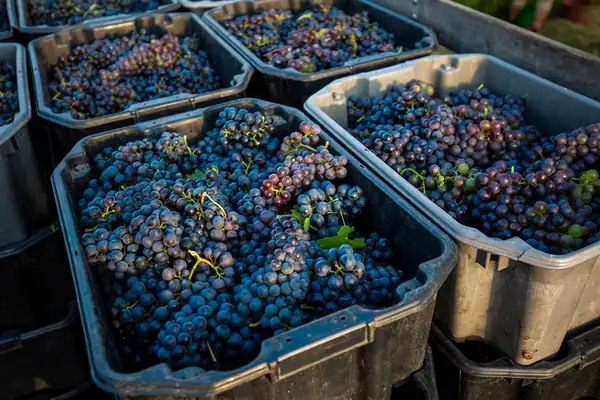
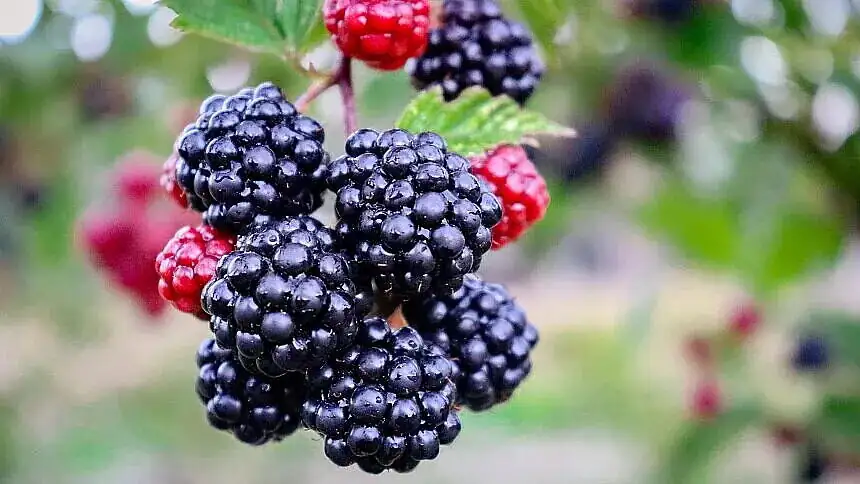
Blackberries still need care after harvest. Three steps will prepare them for the next season
Harvest care for blackberries does not end there. In the fall, they need to be pruned properly, watered according to the weather, and the root zone protected from winter. Three simple steps will help the young shoots overwinter well and prepare for the next season.
Three steps for blackberries before winter
- First, inspect the bush carefully and distinguish between old, dead canes and young green shoots. Cut old blackberry branches as low to the ground as possible, and remove weak, broken or diseased parts. Leave the healthy young shoots, as they will produce the next crop in classic varieties.
- After the last harvest, it is not necessary to automatically stop watering the plant. In dry autumns, check the moisture and water the bushes as needed, making sure that the soil around the blackberry does not dry out completely until it freezes. Moisture is especially important for young canes that continue to mature before winter. Always adjust the watering to the weather and soil condition; other fruit bushes can also benefit from watering before winter arrives.
- After cleaning the area around the bush, you can cover the soil with organic mulch. For example, use straw, wood chips, bark or suitable leaves. Mulch reduces soil drying out, suppresses weeds and helps to mitigate temperature fluctuations around the roots. For more delicate creeping varieties, additional protection of the shoots may also be appropriate in frosty areas.
Composting or mulching?
There are many ways to use grass clippings, leaves, and other garden material. Some people prefer to add them to compost, while others use them directly on flower beds and under shrubs as mulch. Which method do you prefer? Vote in the following contest – with one click you can answer and find out how other readers feel.
When pruning in the fall, always consider the variety. Primocane blackberries, which bear fruit on new growth, are grown and pruned differently than regular varieties with a two-year cane cycle. If you are not sure what type you have, do not cut the entire blackberry bush flat at the ground. Instead, lean toward a gentle cut and watch the plant carefully.