Street flavors of Ljubljana: a street food guide to the Slovenian capital
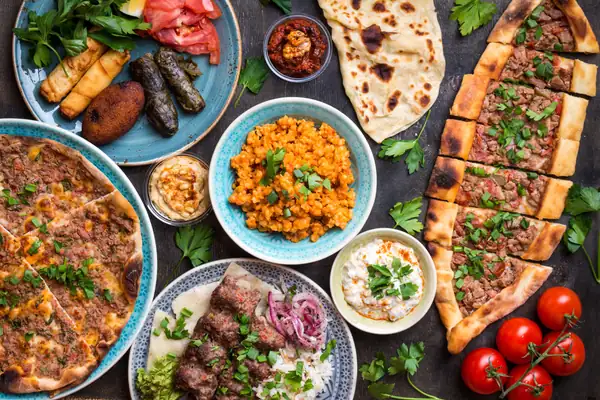
The capital of Slovenia has been a meeting point of cultures for centuries. Italian cuisine from the west, Austrian traditions from the north, Hungarian flavors from the east, and the characteristic dishes of the Balkans from the south have shaped the diverse gastronomic heritage that can be found on every street and market stall today. In just one walk, we can also encounter hand-rolled pasta, sp
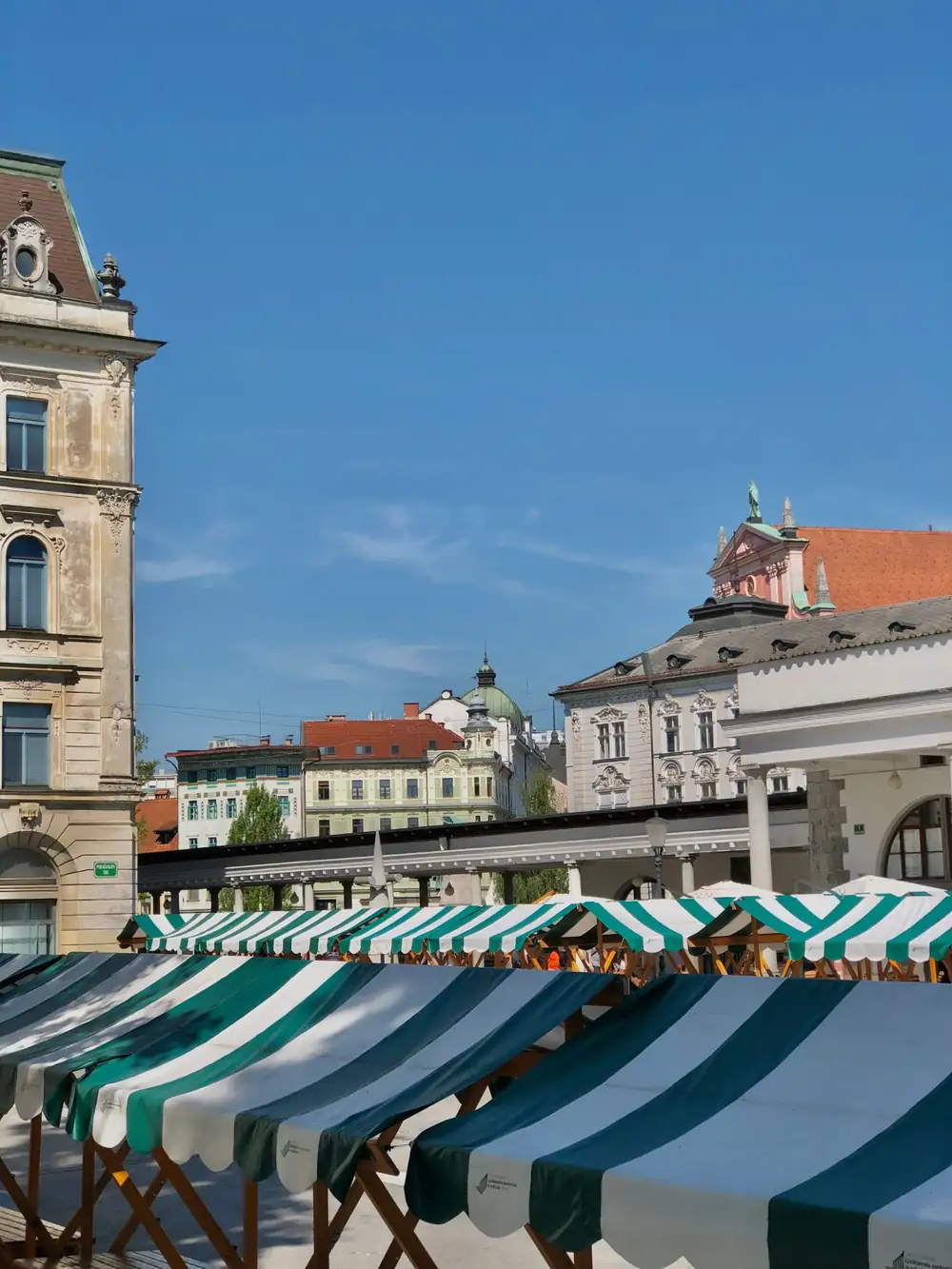
The heart of Ljubljana's street food culture is the Central Market, where local producers, bakers, cheesemakers and street food vendors come together in one place. It's a good place to start your gastronomic exploration of the city: most traditional Slovenian dishes and ingredients can be tasted within a few minutes' walk. The market is defined by the offerings of local producers and family farms, so shopping often involves personal conversations.
One of the most famous dishes of Slovenian cuisine is štruklji, a rolled-up pasta dish made from thinly stretched dough, which is cooked or baked. The filling can be savory – such as cottage cheese or spinach – or sweet, often with nuts. The recipe varies from region to region, so you can find many variations of it throughout Slovenia.
Similarly important is kranjska klobasa, or Kranjska sausage, whose recipe is protected by the European Union’s designation of origin. Made from coarsely ground pork, the sausage is traditionally served with mustard, freshly grated horseradish and bread, and its simple preparation makes it a defining dish of Slovenian cuisine to this day.
The most famous sweets are potica, a rolled-up yeast dough filled with various fillings, most often walnuts or poppy seeds, and prekmurska gibanica, a layered cake made of cottage cheese, poppy seeds, apples and walnuts. Both are classics of Slovenian confectionery and can now be found in markets, bakeries and modern confectioneries.
Ljubljana's gastronomy is based on local ingredients and regional traditions. Central European, Balkan and Mediterranean influences are evident in the markets and street vendors, as well as in the city's restaurants, making street food one of the best places to experience the diversity of Slovenian cuisine.