The gastronomic heritage of Mayan culture
The ingredients of Mayan gastronomy
Mayan cuisine was adapted to the natural conditions of the region, and the preparation of dishes was closely linked to agricultural cycles and the seasons.
Corn (maize): The basis of everyday life
Corn was not only a central element of the diet, but also a religious symbol. According to the Popol Vuh, the gods created humans from corn, and corn was therefore revered as a sacred plant. Corn was used to make a variety of dishes:
Masa: Corn was cooked in lime and then ground to form the masa, which is the base for tortillas, tamales, and other dishes.
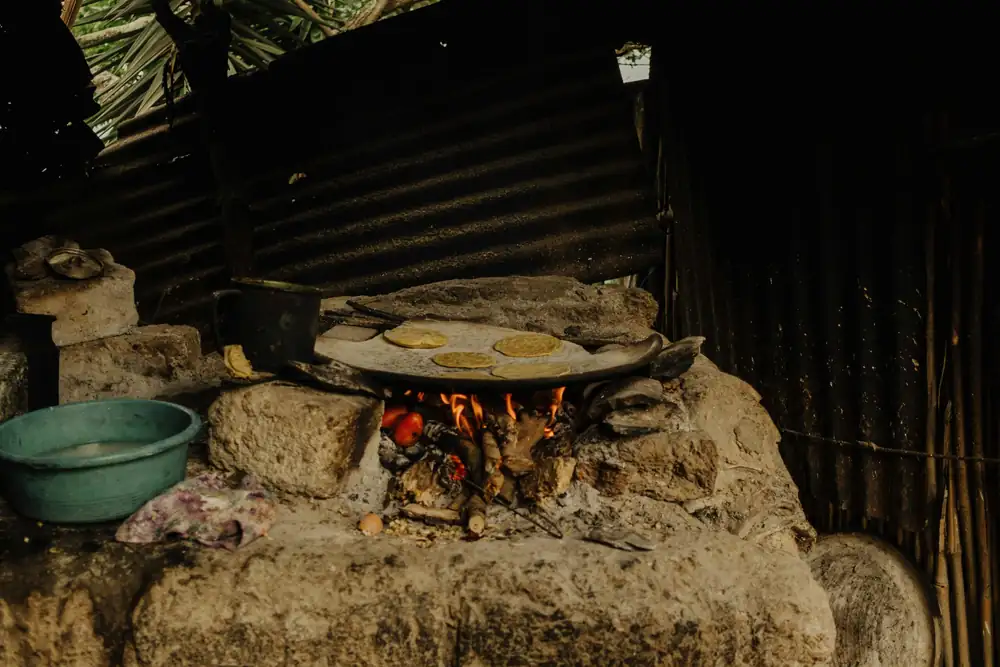
Tortilla: A flat cornbread that was part of every meal.
Tamales: Pastries made from cornmeal, filled with meat, vegetables, or chilies, and steamed while wrapped in banana leaves.
Beans (frijol): The source of protein
Beans were often paired with corn, providing a nutritionally balanced diet. Beans were used in stews, soups, and sauces.
Cucurbits: The seeds and flesh of the pumpkin also played an important role in the diet. The seeds were used to make oil or eaten roasted.
Chili peppers: The crowning glory of flavors
Chili was not only used to flavor food, but was also used as medicine and as part of religious rituals.
Fruits: A wealth of tropical flavors
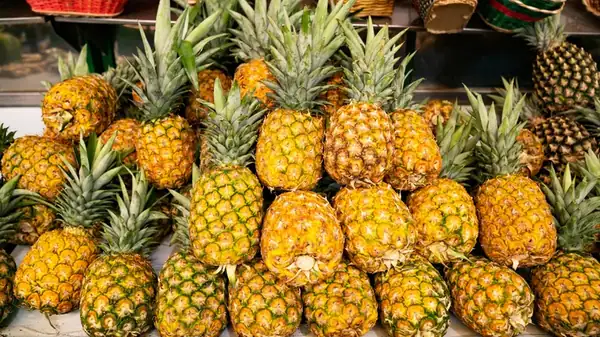
The region provided the Maya with an abundance of tropical fruits, such as papaya, avocado, guava, pineapple, and sapodilla, which they consumed fresh or dried.
Cocoa: The Drink of the Gods
Cocoa beans held special significance in Mayan culture. They were not only consumed as a beverage, but also used as currency. Drinks made from cocoa were mixed with water, chilies, and sometimes honey.
The Mayan diet was supplemented with meat from hunted and farmed animals:
Turkey and game birds: These were often prepared in spiced, stewed, or baked forms.
Fish and marine animals: They played an important role in the diet, especially of coastal communities.
Insects and other protein sources: Some insects, such as ants and locusts, were consumed as protein-rich foods.
Traditional dishes and preparation techniques
Mayan cuisine produced simple, yet delicious and nutritious dishes. The methods used in food preparation often utilized natural resources, such as cooking in clay pots or baking on stone slabs.
Iconic dishes
Pozole: A thick soup made from corn, enriched with meat and spices.
Juicy stews: Stews made from turkey or venison were flavored with chili peppers and herbs.
Atole: A thick corn drink often sweetened with honey or fruits.
Cocoa drink: Ground cocoa beans were mixed with water and chili, sometimes frothed.
Gastronomy and religion
Food not only satisfied the needs of daily life, but also had deep spiritual significance. Many foods were offered to the gods, and eating was often intertwined with ritual activities. Cocoa was considered a sacred drink, consumed on festive occasions or offered to the gods. Maize was part of the rituals associated with the sowing and harvesting seasons.
Eating habits and social life
Maya eating was closely linked to communal life. Meals were often communal events, shared by family and community members. Food preparation was also a communal activity, especially during festivals and rituals.
The gastronomic heritage of Mayan culture
Although the political and social systems of the Mayan civilization have changed over time, their gastronomic traditions live on. Elements of Mayan culture can be found in the cuisines of today's Mexico, Guatemala, and other Central American countries. Tortillas, tamales, chili, cacao drinks, and other foods are part of everyday life, while also bearing the imprint of the mythology and spiritual heritage of the Mayan people.